


Dog Breeds Prone to Bloat are at risk of a condition called bloat, also known as gastric dilatation-volvulus (GDV), which is a serious and potentially fatal condition that can affect dogs. It occurs when the stomach fills with gas, fluid, or food and then twists on itself, cutting off blood flow to the stomach and other vital organs. This twisting also traps the gas and contents inside the stomach, causing it to expand rapidly. As the pressure increases, it can compromise breathing, damage the stomach wall, and decrease blood flow to the heart. Without prompt medical intervention, GDV can be life-threatening within hours.
The exact cause of bloat is not fully understood, but several factors increase the risk. Dog Breeds Prone to Bloat are typically deep-chested, large, and giant breeds, as their anatomical structure allows for easier stomach rotation. Genetics also play a significant role, with some breeds being more predisposed than others. Rapid eating, drinking large amounts of water in a short period, and vigorous exercise after meals can further increase the risk, especially in Dog Breeds Prone to Bloat.
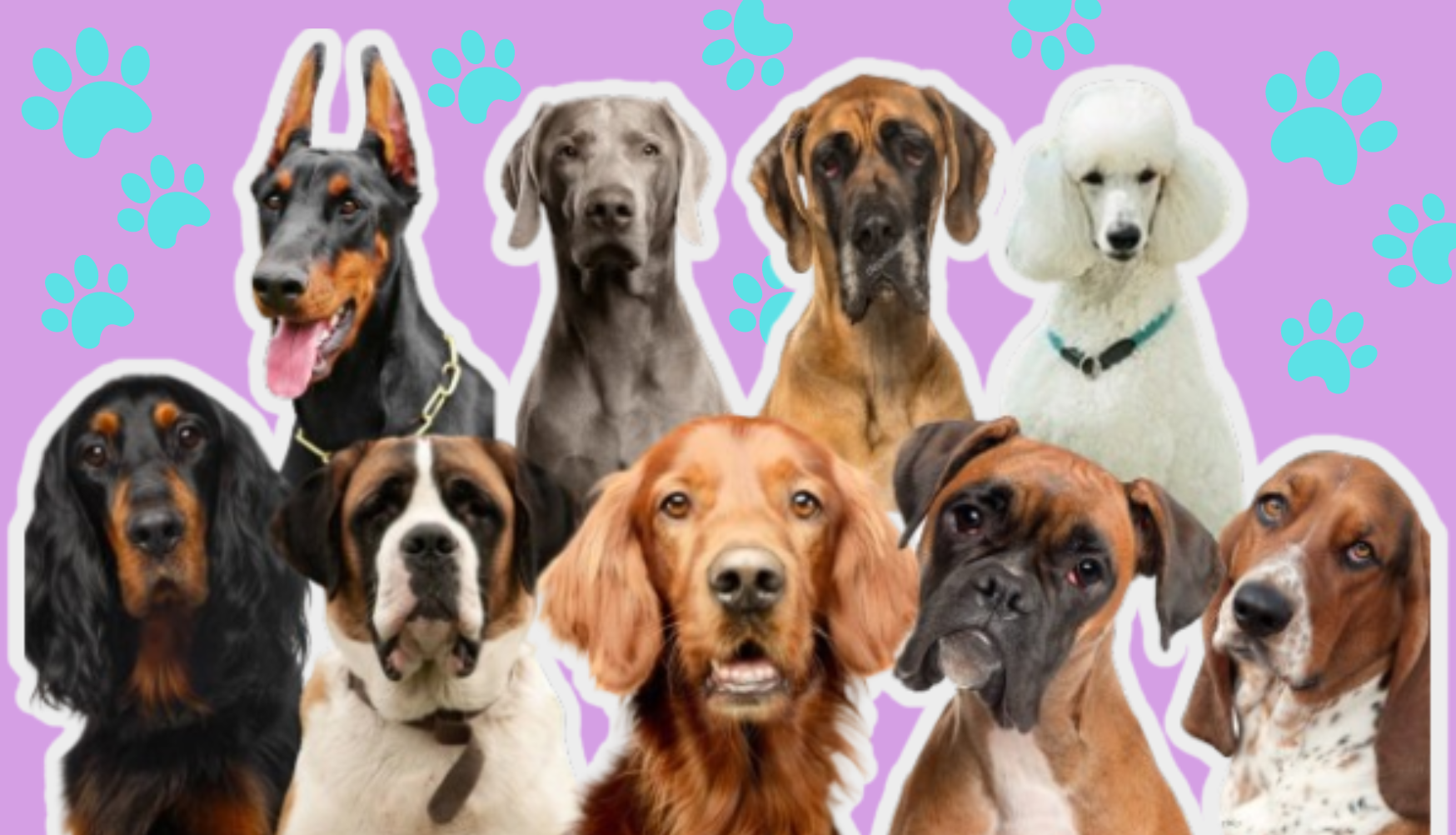
Some Dog Breeds Prone to Bloat include the Great Dane, Saint Bernard, Weimaraner, Irish Setter, Gordon Setter, Standard Poodle, Basset Hound, German Shepherd, Doberman Pinscher, and Boxer. Owners of Dog Breeds Prone to Bloat should be vigilant for symptoms such as a distended abdomen, unproductive retching, restlessness, and signs of pain. Prompt veterinary attention is essential, as emergency surgery is often necessary to save the dog’s life.
10 DOG BREEDS PRONE TO BLOAT
1. Great Dane

Great Danes are one of the most well-known breeds at risk for bloat. Their large size and deep chest make them particularly susceptible to this condition. Owners should be vigilant and aware of the symptoms to act quickly if bloat occurs.
- Origin: Germany
- Height: 28 to 34 inches
- Lifespan: 7 to 10 years
2. German Shepherd
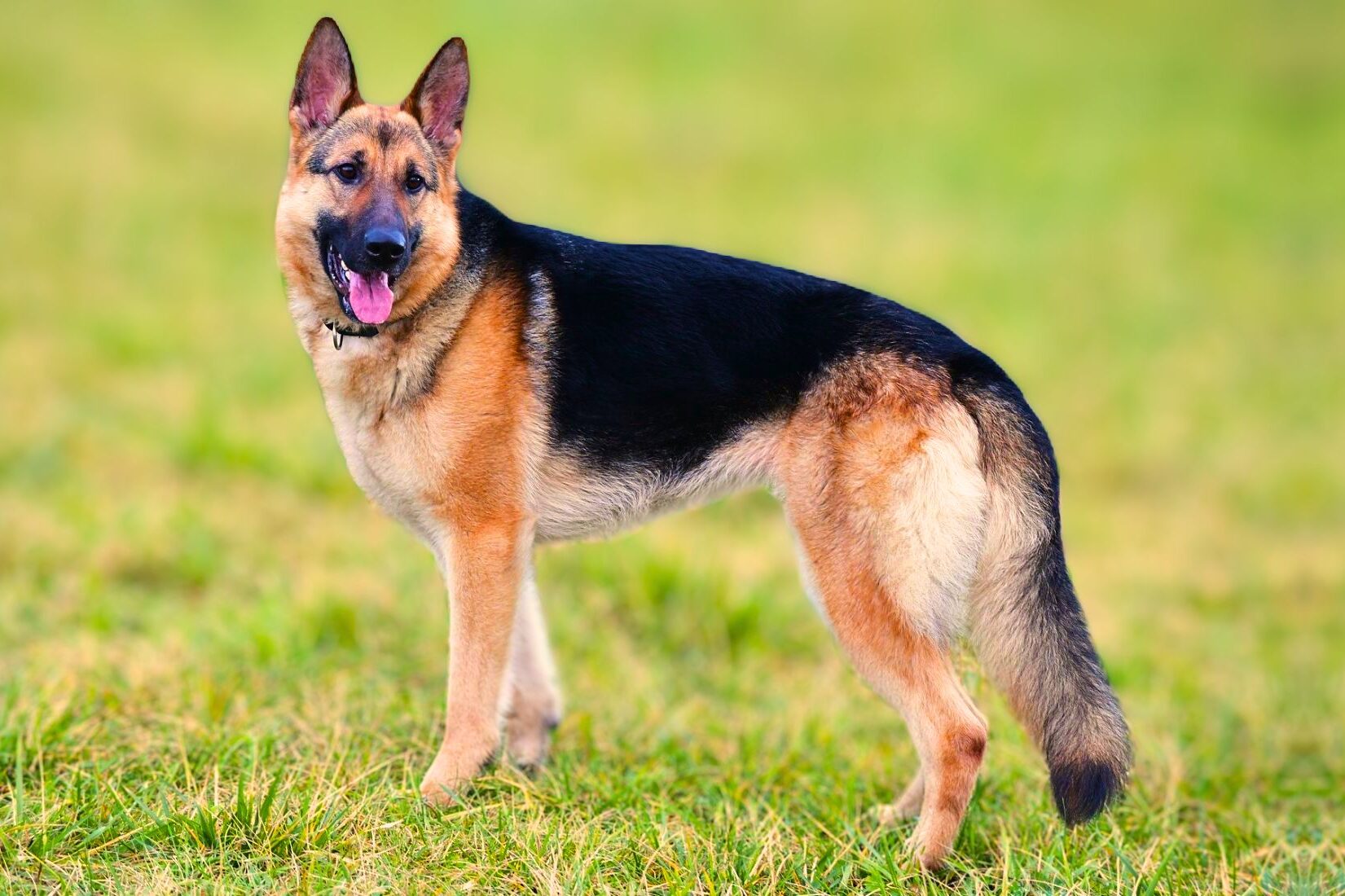
German Shepherds are another breed with a high risk of bloat. Their active nature combined with a deep chest can increase the chances of developing GDV. Feeding smaller meals and avoiding vigorous exercise around mealtimes can help mitigate the risk.
- Origin: Germany
- Height: 22 to 26 inches
- Lifespan: 9 to 13 years
3. Standard Poodle
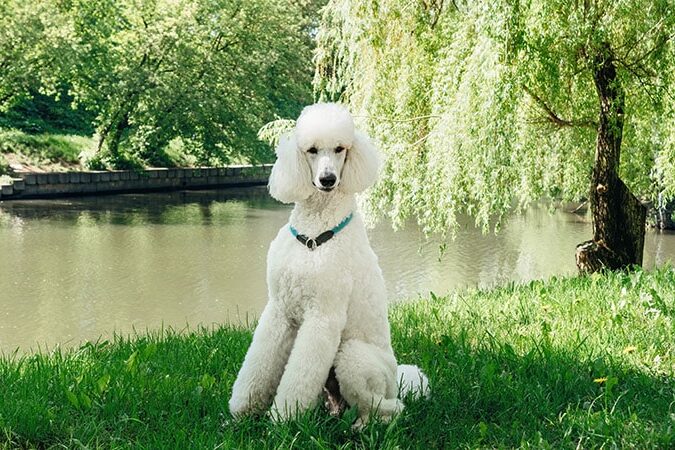
Standard Poodles, with their deep chests and slim waists, are also prone to bloat. Regular veterinary check-ups and being mindful of their diet and activity levels can help reduce the likelihood of GDV.
- Origin: Germany
- Height: 15 to 24 inches
- Lifespan: 12 to 15 years
4. Boxer
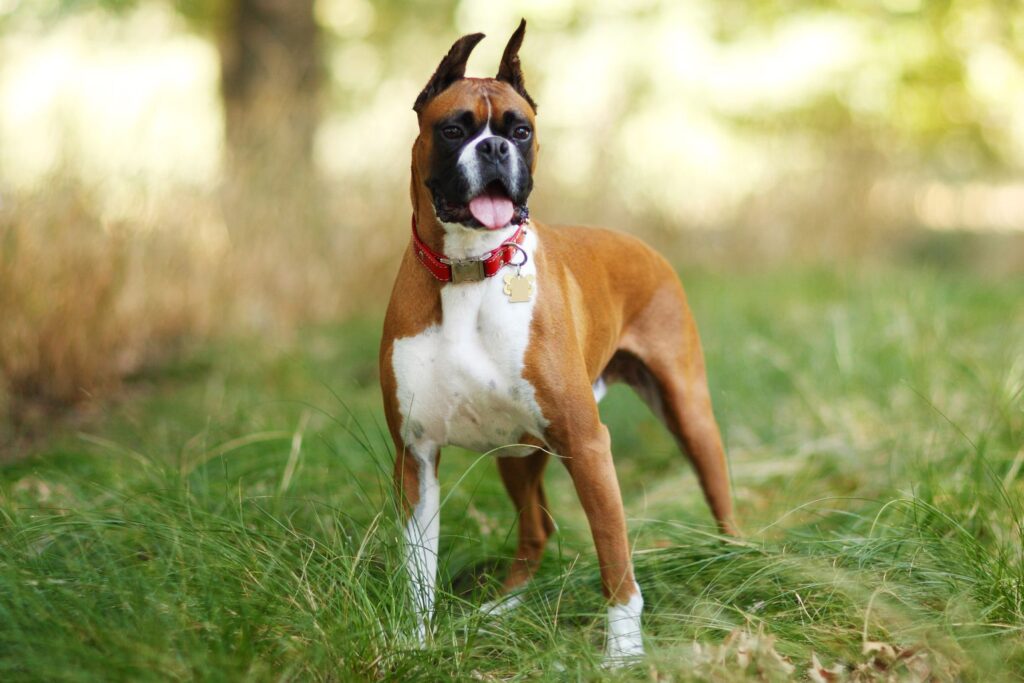
Boxers are energetic dogs that are at a higher risk for bloat. Their playful nature often leads to gulping down air, especially during or after meals. Monitoring their eating habits and ensuring they eat slowly can be beneficial.
- Origin: Germany
- Height: 21 to 25 inches
- Lifespan: 10 to 12 years
5. Irish Setter
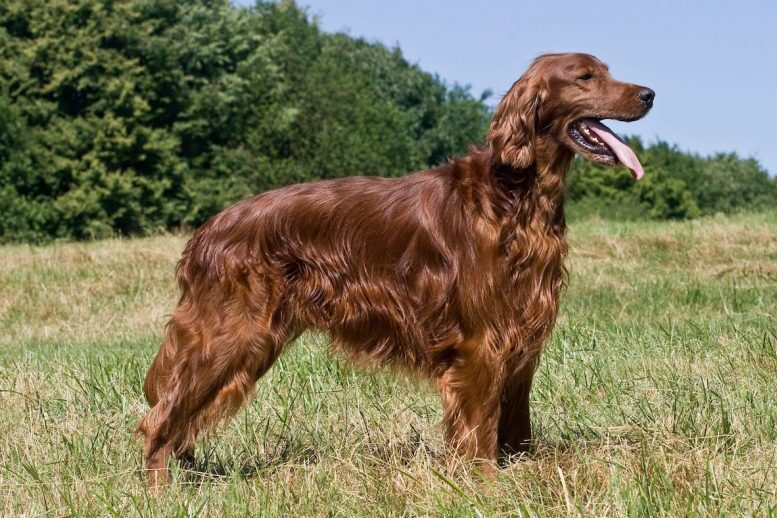
Irish Setters, known for their deep chests, are susceptible to bloat. Keeping them calm during mealtimes and providing multiple small meals throughout the day can help prevent the stomach from becoming overly full.
- Origin: Ireland
- Height: 25 to 27 inches
- Lifespan: 12 to 15 years
6. Weimaraner
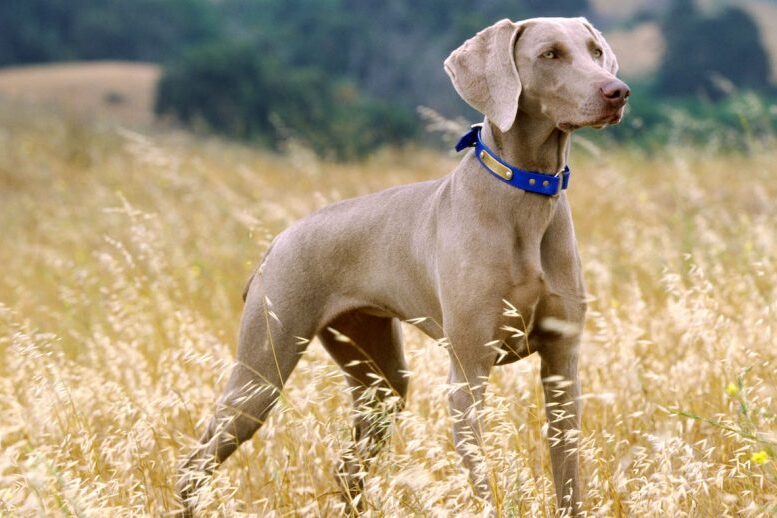
Weimaraners are active and deep-chested, putting them at risk for bloat. Owners should ensure that their Weimaraner eats slowly and avoids heavy exercise immediately before and after meals.
- Origin: Germany
- Height: 23 to 27 inches
- Lifespan: 10 to 13 years
7. Saint Bernard
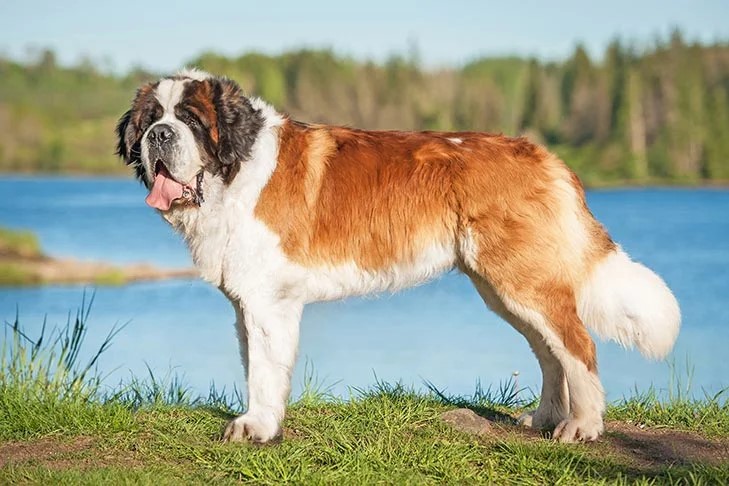
Saint Bernards are large and deep-chested, making them prone to bloat. Given their size, it is important to monitor their eating habits and provide appropriate portion sizes to prevent overfilling of the stomach.
- Origin: Swiss Alps and Italian Alps
- Height: 28 to 30 inches
- Lifespan: 8 to 10 years
8. Gordon Setter
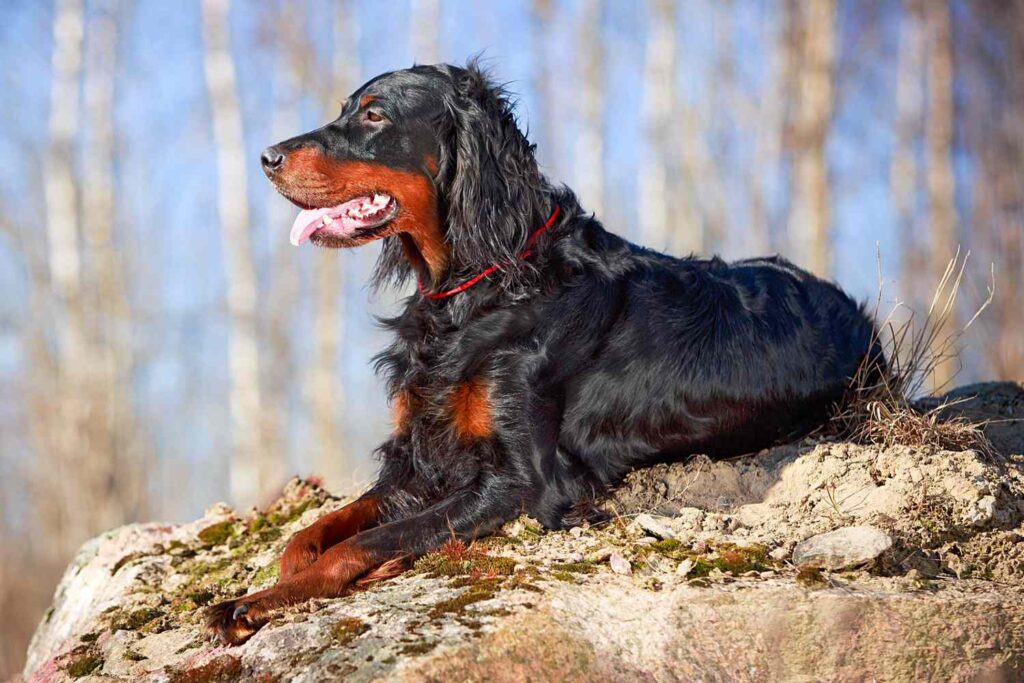
Gordon Setters are another deep-chested breed that can suffer from bloat. Regular monitoring and feeding smaller, frequent meals can help manage the risk associated with their breed’s anatomy.
- Origin: Scotland
- Height: 23 to 27 inches
- Lifespan: 10 to 12 years
9. Doberman Pinscher
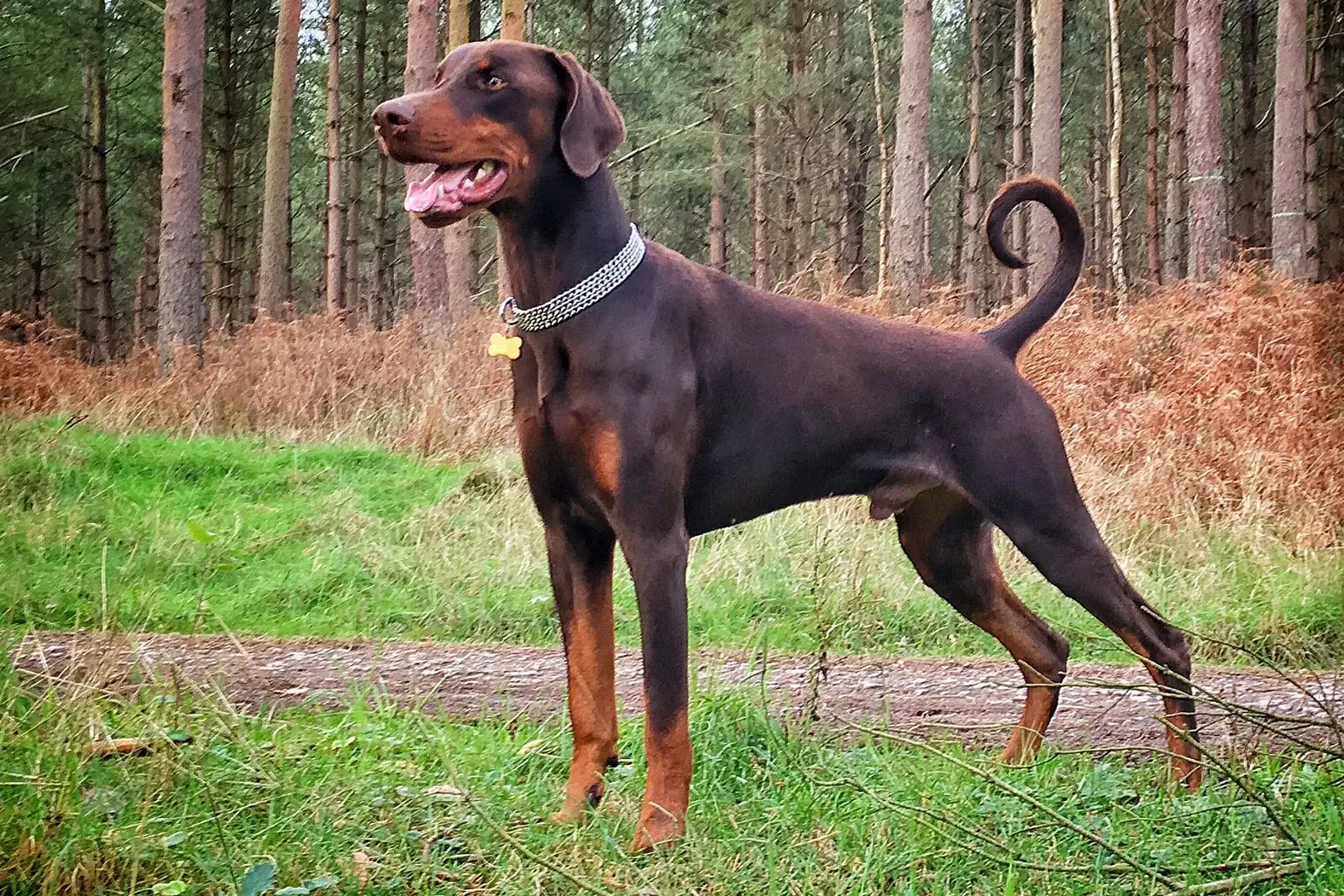
Dobermans are sleek, deep-chested dogs that are prone to bloat. To minimize the risk, it’s important to maintain a balanced diet and avoid vigorous activity immediately after meals.
- Origin: Germany
- Height: 24 to 28 inches
- Lifespan: 10 to 13 years
10. Basset Hound
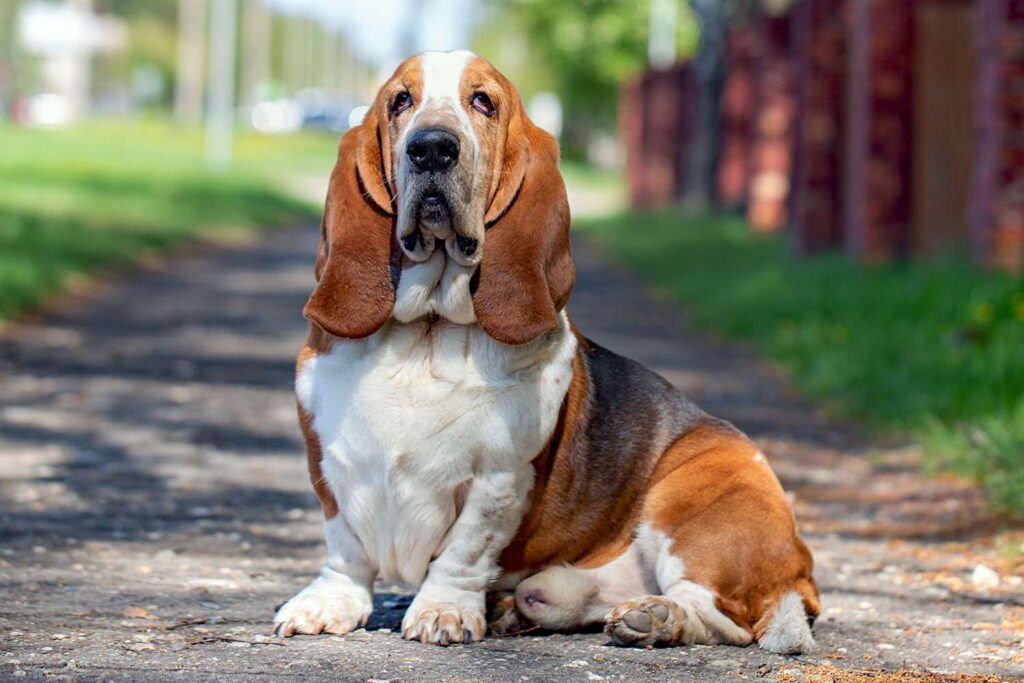
Despite their smaller size compared to some other breeds on this list, Basset Hounds have a deep chest and are at risk for bloat. Their feeding schedule should be managed carefully, and owners should be aware of the signs of bloat.
- Origin: France and Belguim
- Height: 11 to 15 inches
- Lifespan: 10 to 12 years
Recognizing the Signs of Bloat
Early recognition of bloat is crucial for getting your dog the help it needs. Symptoms include:
- A distended abdomen
- Unsuccessful attempts to vomit
- Excessive drooling
- Restlessness or signs of discomfort
- Rapid heartbeat
Preventative Measures
While some factors contributing to bloat are beyond control, several strategies can help reduce the risk:
- Feed smaller, more frequent meals
- Avoid vigorous exercise around mealtimes
- Use elevated feeding bowls for large breeds
- Consider a special diet designed to reduce gas
- Keep a calm environment during feeding times
If you suspect your dog is suffering from bloat, it is crucial to recognize that this is a medical emergency requiring immediate veterinary attention. Bloat, also known as gastric dilatation-volvulus (GDV), is a life-threatening condition where the dog’s stomach fills with gas, food, or fluid, causing it to expand. In severe cases, the stomach can twist, cutting off blood flow to vital organs and leading to shock or even death. Acting quickly can make the difference between life and death for your beloved pet.
Certain Dog Breeds Prone to Bloat are more susceptible to this condition, especially large, deep-chested dogs like Great Danes, German Shepherds, and Standard Poodles. However, any dog can develop this condition. Risk factors include eating too quickly, consuming large meals, exercising immediately after eating, or drinking excessive amounts of water in one sitting. Stress and anxiety may also play a role in triggering an episode. Knowing the Dog Breeds Prone to Bloat can help you take preventive measures to minimize the risk.
Common symptoms of bloat include a swollen or distended abdomen, restlessness, excessive drooling, unproductive retching, and signs of pain or discomfort such as whining or pacing. Your dog may also appear weak or collapse. If you notice any of these symptoms in Dog Breeds Prone to Bloat, do not hesitate—get your dog to a veterinarian as soon as possible. Early detection and prompt treatment are essential for increasing the chances of survival and ensuring your furry friend stays happy and healthy. Awareness of Dog Breeds Prone to Bloat can save lives by helping you recognize the symptoms and risk factors in time.
Disclaimer: Always consult with a veterinarian for advice tailored to your specific dog’s health and needs.