

 Introduction: The Enchanting World of Calico Cats
The calico cat, with its spectacular tri-colored coat, stands as one of nature’s most visually striking feline masterpieces. These beautiful creatures captivate cat lovers worldwide with their patchwork of colors and distinct personalities. Calico cats aren’t just ordinary housepets—they’re living canvases that showcase the wonders of feline genetics through their orange, black, and white markings. What makes these multi-colored companions so special goes far beyond their extraordinary appearance.
In this comprehensive guide, we’ll explore the fascinating world of calico cats, uncovering ten unique traits that make these felines truly exceptional. From their distinctive genetic makeup to their cultural significance across the globe, calico cats have a rich history and mystique that deserves celebration. Whether you’re a proud calico owner or simply intrigued by these remarkable animals, prepare to discover why these cats have enchanted humans for centuries.
What Exactly Is a Calico Cat?
Defining the Distinctive Tri-Color Pattern
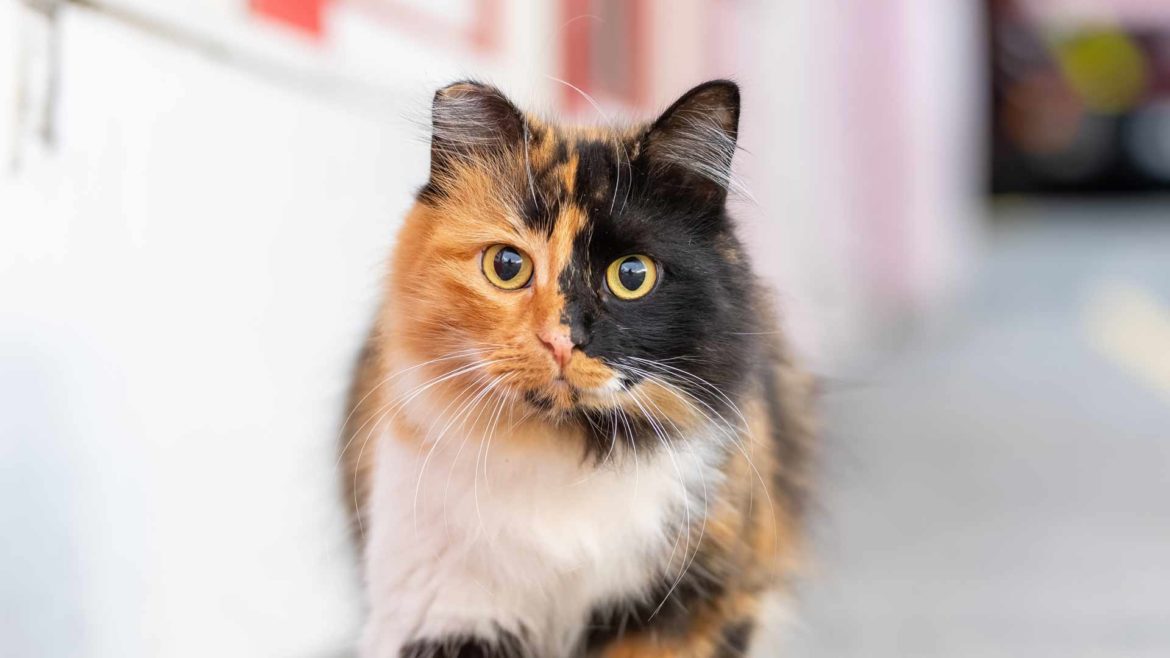
Calico cats are instantly recognizable by their coat’s signature three-color combination, typically featuring patches of orange, black, and white. These colors appear in distinct patches rather than blended together, creating a mosaic-like appearance that’s utterly unique to each cat. The term “calico” specifically refers to this tri-color pattern rather than a breed—an important distinction that many cat enthusiasts misunderstand.
A calico cat is defined by its tri-colored coat pattern featuring distinct patches of orange, black, and white. This is a color pattern, not a breed, and can appear in many different cat breeds.
Calico vs. Tortoiseshell: Understanding the Difference
People often confuse calico cats with tortoiseshell cats, but there’s a clear distinction between these two coat patterns:
| Characteristic | Calico Cats | Tortoiseshell Cats |
|---|---|---|
| Base Color | Predominantly white | Little to no white |
| Pattern | Distinct color patches | Blended, mottled colors |
| Color Distribution | Orange and black patches on white | Intermingled orange and black |
| White Markings | Significant white areas | Minimal or no white markings |
| Genetic Factors | Two X chromosomes required | Two X chromosomes required |
| Gender Distribution | 99.9% female | 99.9% female |
The primary difference lies in the amount of white in the coat and how the colors are distributed. Calicos have a white base with separate patches of color, while tortoiseshells have a more blended, marbled appearance with minimal white.
10 Fascinating Traits of Calico Cats
1. Not a Breed, But a Genetic Marvel
Despite their distinctive appearance, calico cats don’t constitute a specific breed. The calico pattern can appear in numerous cat breeds, including American Shorthairs, Maine Coons, Persian cats, and Japanese Bobtails. What unites them is their extraordinary genetic makeup rather than breed standards.
The calico pattern occurs due to a genetic phenomenon called X-chromosome inactivation or “lyonization.” Since the genes for coat color are carried on the X chromosome, and females have two X chromosomes, they can display two different color genes simultaneously—resulting in the striking calico pattern.
2. The Rarity of Male Calicos
One of the most intriguing aspects of calico cats is that approximately 99.9% are female. This gender disparity stems from the genetics behind the calico coloration, which requires two X chromosomes. Since males typically have an XY chromosome pair rather than XX, they cannot naturally develop the calico pattern.
The rare male calico cats that do exist (occurring in roughly 1 in 3,000 calicos) typically have a chromosomal abnormality called Klinefelter Syndrome, possessing an extra X chromosome (XXY). These exceptional males are almost always sterile and may face additional health challenges due to their unusual genetic makeup.
3. Cultural Significance and Lucky Symbols

In Japanese culture, calico cats are revered as symbols of good fortune. The famous “Maneki-neko” or beckoning cat figurine—a common lucky charm in businesses—is traditionally depicted as a calico. According to Japanese folklore, these tri-colored cats bring prosperity, protection, and good luck to their owners.
The cultural significance of calico cats extends beyond Japan:
- In the United States, they’ve been nicknamed “money cats” based on the belief they bring financial fortune
- Irish folklore suggests that rubbing a wart with a calico cat’s tail in May can cure the ailment
- In the United Kingdom, they’re sometimes called “fortune cats”
This cross-cultural appreciation underscores the special place calico cats have held in human society throughout history.
4. The Genetic Science Behind the Colors
The calico pattern represents a fascinating demonstration of genetic principles in action. The orange and black colors in calico cats are determined by genes found on the X chromosome. Since these colors are mutually exclusive (a single X chromosome can code for either orange OR black, not both), the only way to get both colors is with two X chromosomes.
During early feline development, one X chromosome in each cell is randomly inactivated through a process called lyonization. This creates a mosaic effect where some cells express the orange gene while others express the black gene. The white portions of a calico’s coat are determined by a separate gene altogether that masks the expression of other colors.
5. Diverse Color Variations
While the classic calico pattern features black, orange, and white, several variations exist:
- Dilute Calico: Features softer colors—gray instead of black, cream instead of orange
- Caliby: Combines calico coloring with tabby stripes
- Patched Tabby: Features tabby patterns in the colored patches
- Tortoiseshell and White: Has minimal white with blended orange and black areas
These variations add even more uniqueness to the already distinctive calico appearance, ensuring that no two calico cats look exactly alike.
6. The Calico Personality Debate

Cat owners and some veterinarians have long debated whether calico cats possess distinct personality traits. Many calico owners report their cats display what’s affectionately termed “calitude”—a sassy, strong-willed temperament with a flair for the dramatic.
A study published in the Journal of Applied Animal Welfare Science suggested potential links between coat color and behavioral tendencies, with calicos and tortoiseshells showing more aggression toward humans in certain situations than cats with other coat patterns.
However, veterinary behaviorists at the American Veterinary Medical Association emphasize that personality is shaped by many factors beyond coat color, including:
- Early socialization experiences
- Environment and upbringing
- Individual temperament
- Breed characteristics (for purebred calicos)
While the “calitude” phenomenon makes for entertaining anecdotes, each calico cat ultimately has its own unique personality shaped by multiple factors.
7. Historical Significance and Naming Origins
The term “calico” originated from a type of printed textile from Calicut (now Kozhikode), India. These fabrics were characterized by their colorful, patterned appearance—similar to the patchwork coat of calico cats. The name transferred to the cats due to the visual similarity to these vibrant textiles.
Calico cats have sailed on ships as valued rodent controllers and lucky charms for centuries. Sailors, particularly along Mediterranean trade routes, believed calico cats provided special protection against storms and misfortune at sea. This maritime connection helped spread calico cats throughout the world’s port cities.
8. State Recognition in Maryland
In an unusual legislative move, the state of Maryland officially designated the calico cat as its state cat in 2001. This decision wasn’t arbitrary—the calico’s colors of orange, black, and white mirror the colors of the Baltimore oriole (the state bird) and the Baltimore checkerspot butterfly (the state insect).
Maryland’s celebration of the calico cat demonstrates how these distinctive felines have captured human imagination and affection enough to receive official recognition alongside other important state symbols.
9. The “Cattitude” Factor

Many calico owners report that their feline companions display distinctive personality traits that set them apart from other cats:
- Strong-willed and independent
- Highly intelligent and curious
- Affectionate but on their own terms
- Vocally expressive about their needs and desires
- Playful well into adulthood
While scientific studies on coat color and personality correlations remain inconclusive, the consistency of these anecdotal reports from calico owners worldwide suggests there may be some connection between the calico’s unique genetics and their behavioral tendencies.
10. Lifespan and Health Considerations
Calico cats generally enjoy the same life expectancy as other cats of similar breeds, typically 12-15 years for indoor cats with proper care. However, male calicos with Klinefelter syndrome often face more health challenges and may have shorter lifespans.
Health considerations for calico cats include:
- Standard feline preventative care (vaccinations, dental care, parasite prevention)
- Regular veterinary check-ups
- Healthy diet and weight management
- Mental enrichment and exercise
Male calicos specifically may face increased risks for:
- Diabetes mellitus
- Joint problems
- Behavioral issues
- Cognitive dysfunction
Responsible calico cat owners should work closely with their veterinarians to develop appropriate care plans, particularly for the rare male calico.
Caring for Your Calico Companion
Diet and Nutrition
Calico cats require the same nutritional fundamentals as any other cat. A balanced diet appropriate for their age, weight, and activity level is essential. Consult with your veterinarian about the best feeding regimen for your unique calico companion.
Nutritional recommendations typically include:
- High-quality protein sources
- Appropriate fat content
- Limited carbohydrates
- Sufficient hydration (wet food can help)
- Age-appropriate formulations
Grooming Requirements
The grooming needs of your calico cat will depend primarily on their breed and hair length rather than their calico pattern. Long-haired calicos will require more frequent brushing to prevent matting, while short-haired varieties may need only occasional grooming.
Regardless of coat length, all calicos benefit from:
- Regular nail trimming
- Dental care
- Ear cleaning as needed
- Occasional bathing (if tolerated)
Environmental Enrichment
Calico cats, with their often spirited personalities, particularly benefit from environmental enrichment:
- Vertical spaces for climbing
- Interactive toys that stimulate hunting instincts
- Puzzle feeders to engage their intelligence
- Comfortable resting spots with good views
- Regular play sessions to bond with their humans
Creating an engaging environment helps channel their energy positively and prevents behavioral issues that might arise from boredom.
Conclusion: The Enduring Appeal of Calico Cats
Calico cats truly represent one of nature’s most remarkable genetic marvels. Their stunning coat patterns, combined with their often vivacious personalities, have captivated cat lovers across cultures and throughout history. From their status as lucky charms in Japan to their recognition as Maryland’s state cat, calicos continue to hold a special place in human hearts.
Whether you’re considering adding a calico to your family or already share your home with one of these tri-colored treasures, appreciating the unique qualities and genetic wonder they represent adds another dimension to the human-feline bond. Their distinctive appearance serves as a beautiful reminder of the diversity and complexity found throughout the natural world.
What experiences have you had with calico cats? Have you noticed any “calitude” in your tri-colored companion? Share your calico cat stories in the comments below!