


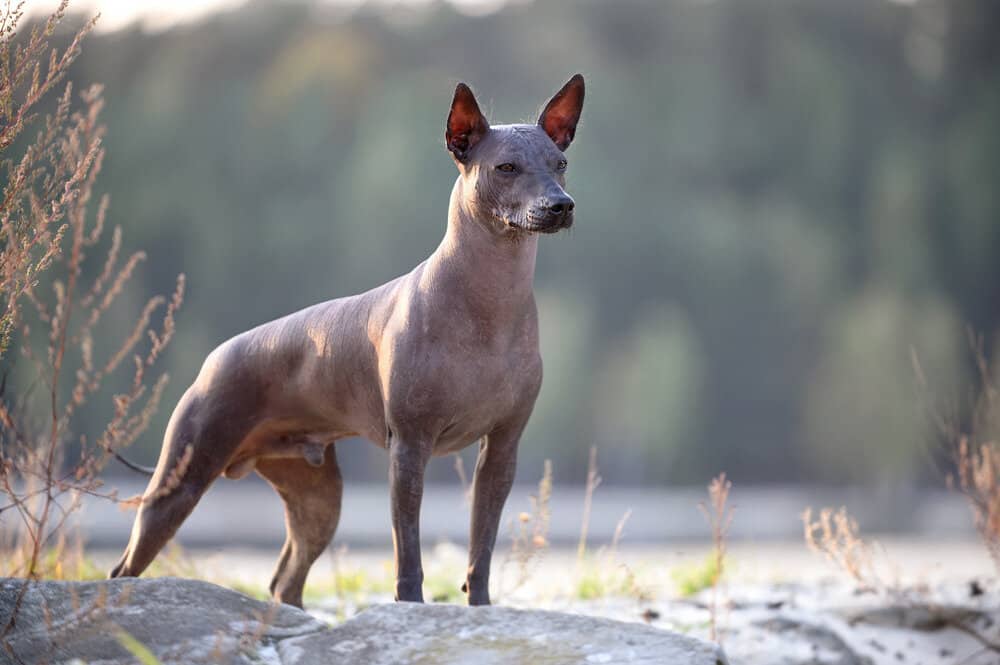


Dogs come in all shapes and sizes, each with unique characteristics that endear them to their human companions. Among them, hairless dog breeds stand out for their distinctive appearance and low-maintenance coats. In this post, we’ll explore a variety of hairless dog breeds, delving into their origins, characteristics, and care tips.
Popular Hairless Dog Breeds
1. Xoloitzcuintli (Mexican Hairless Dog)

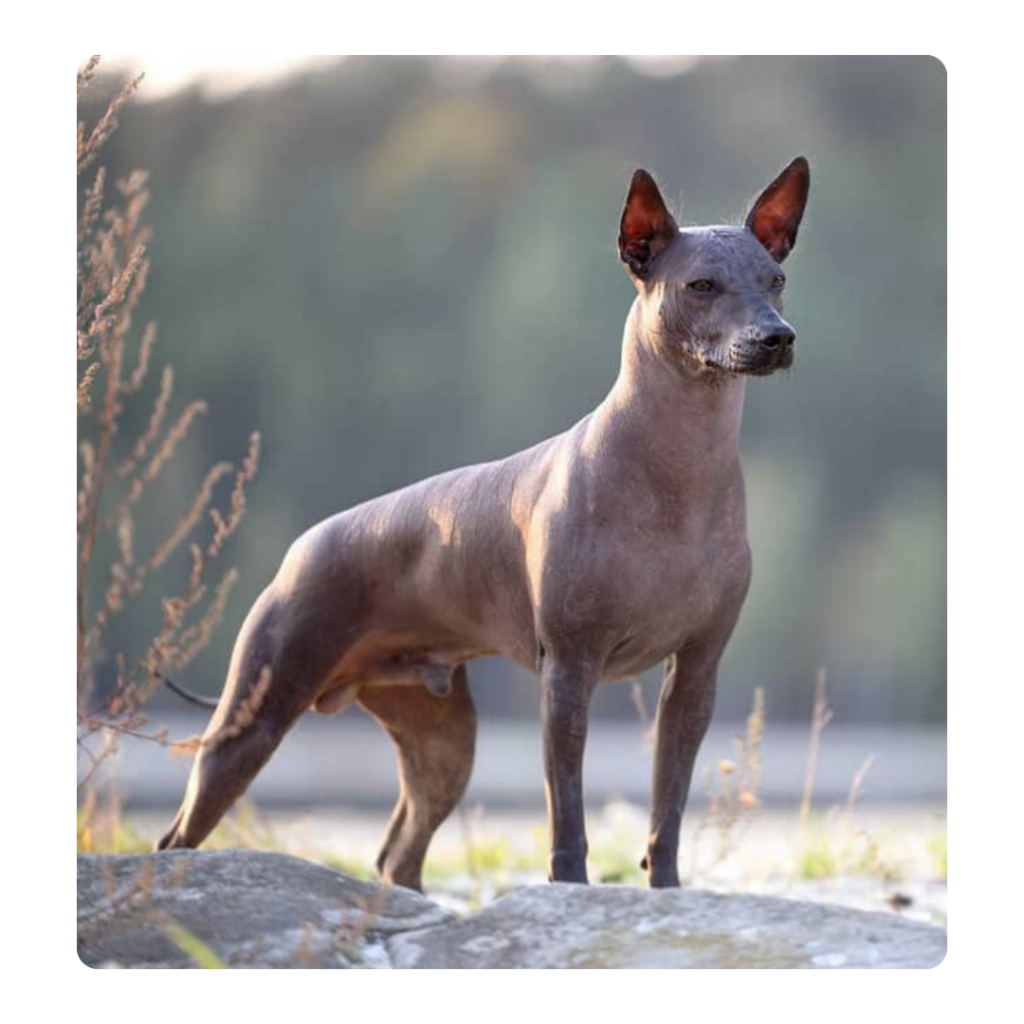
The Xoloitzcuintli, or Xolo, is one of the oldest and rarest dog breeds, dating back over 3,000 years to ancient Aztec civilization. Available in three sizes (toy, miniature, and standard), the Xolo is known for its calm and intelligent demeanor.
| Size | 10-55 Pounds |
| Lifespan | 12-15 Years |
| Temperament | Loyal, alert, and affectionate |
2. Chinese Crested
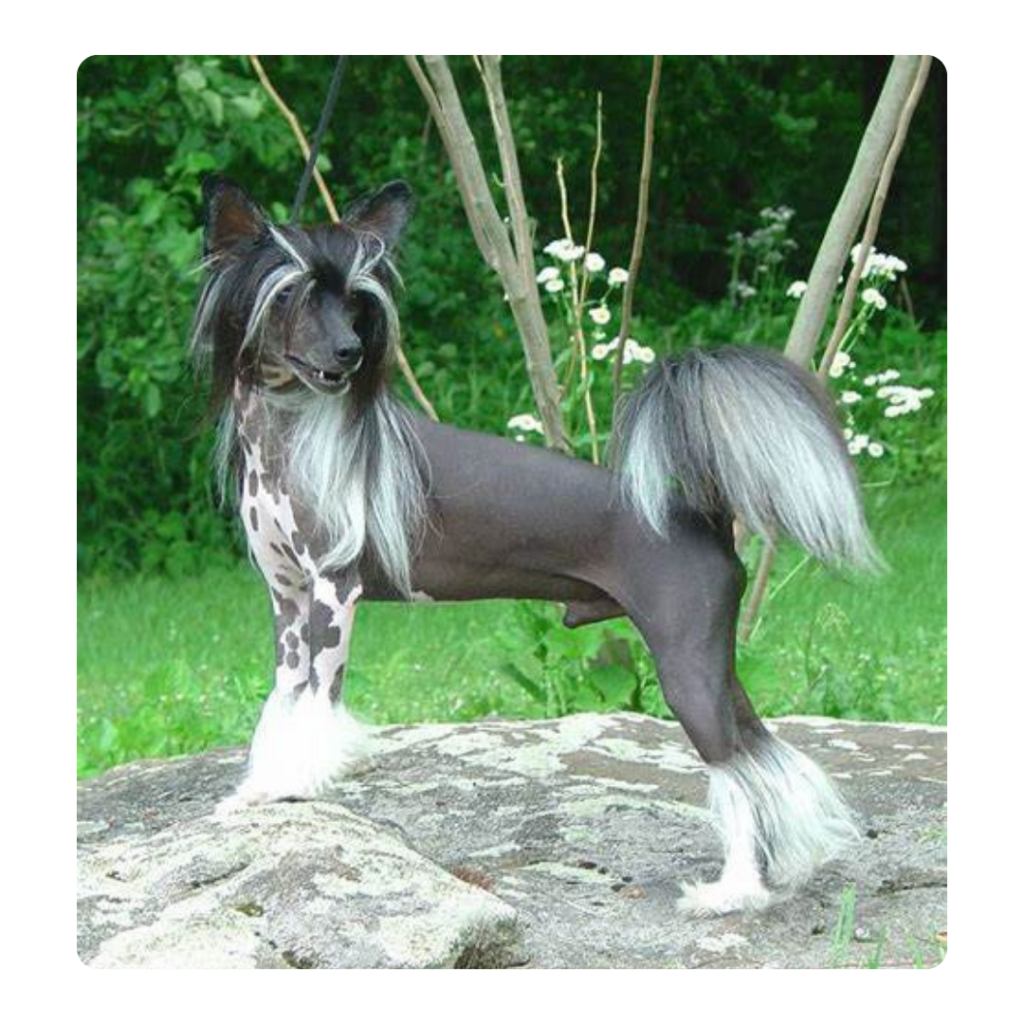
The Chinese Crested is a small, affectionate breed that comes in two varieties: hairless and “powderpuff” (which has a full coat of hair). The hairless variety has soft, smooth skin and tufts of hair on its head, feet, and tail.
| Size | 8-12 Pounds |
| Lifespan | 13-18 Years |
| Temperament | Playful, affectionate, and friendly |
3. American Hairless Terrier
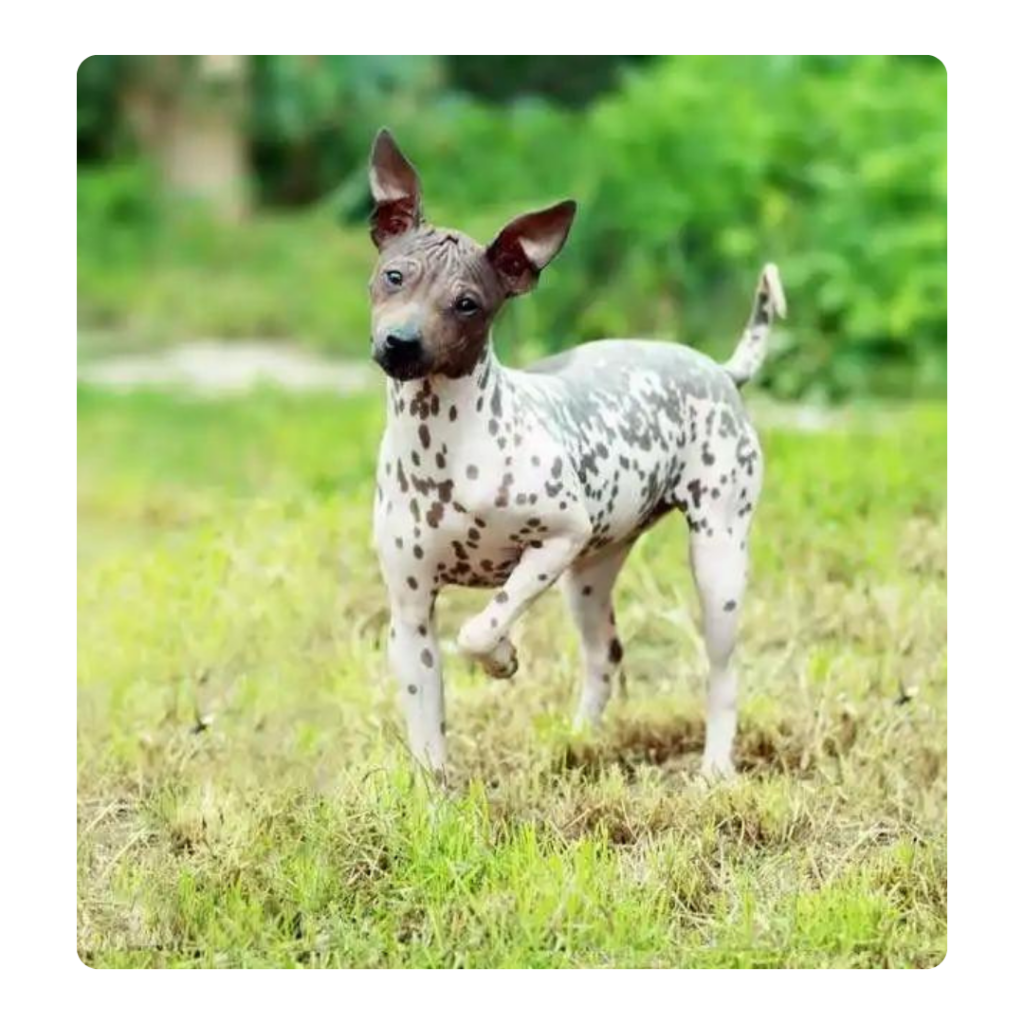
Developed from the Rat Terrier, the American Hairless Terrier is a lively and curious breed. It comes in both hairless and coated varieties, with the hairless type having smooth, soft skin.
| Size | 12-16 Pounds |
| Lifespan | 14-16 Years |
| Temperament | Energetic, intelligent, and alert |
4. Peruvian Inca Orchid (Peruvian Hairless Dog)
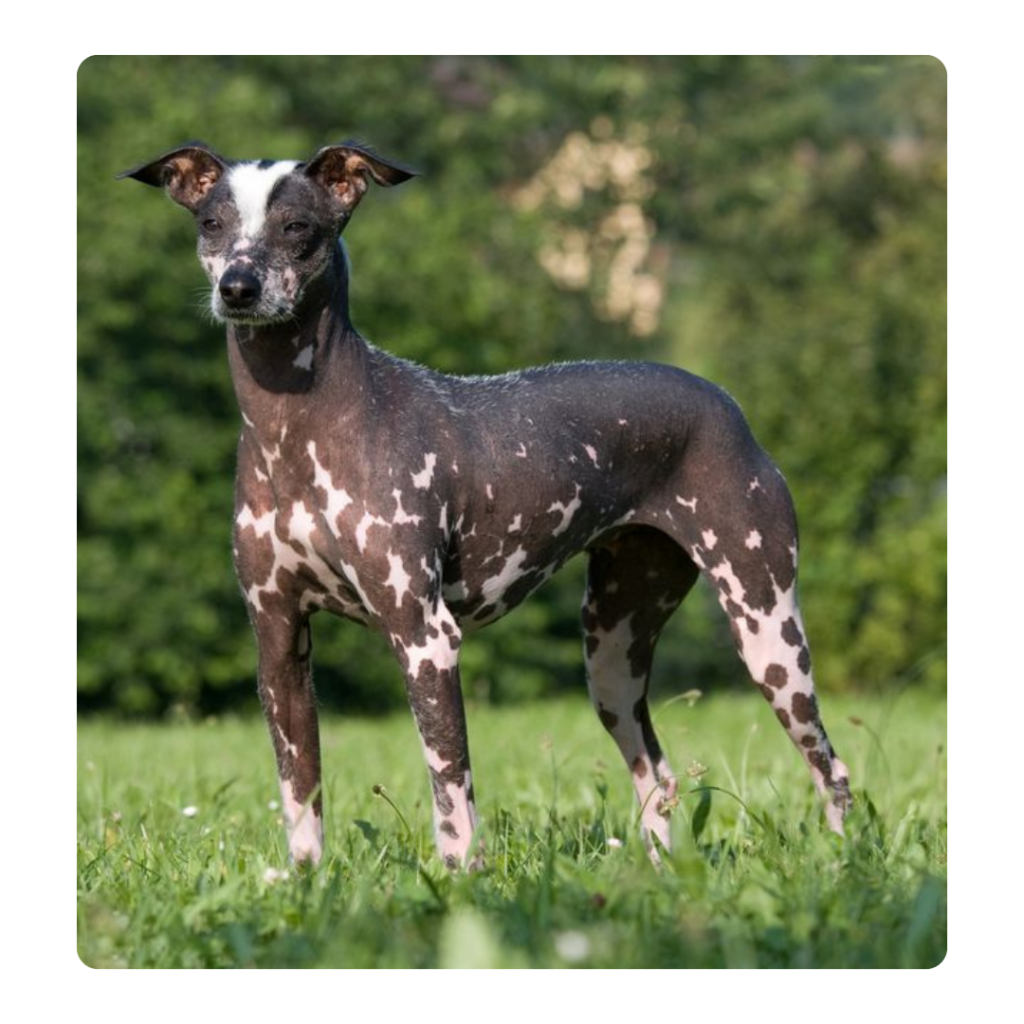
This ancient breed, dating back to the Inca civilization, comes in three sizes (small, medium, and large) and can be either hairless or coated. The hairless variety has smooth, soft skin and a sleek appearance.
| Size | 9-55 Pounds |
| Lifespan | 11-14 Years |
| Temperament | Lively, affectionate, and protective |
5. Argentine Pila Dog
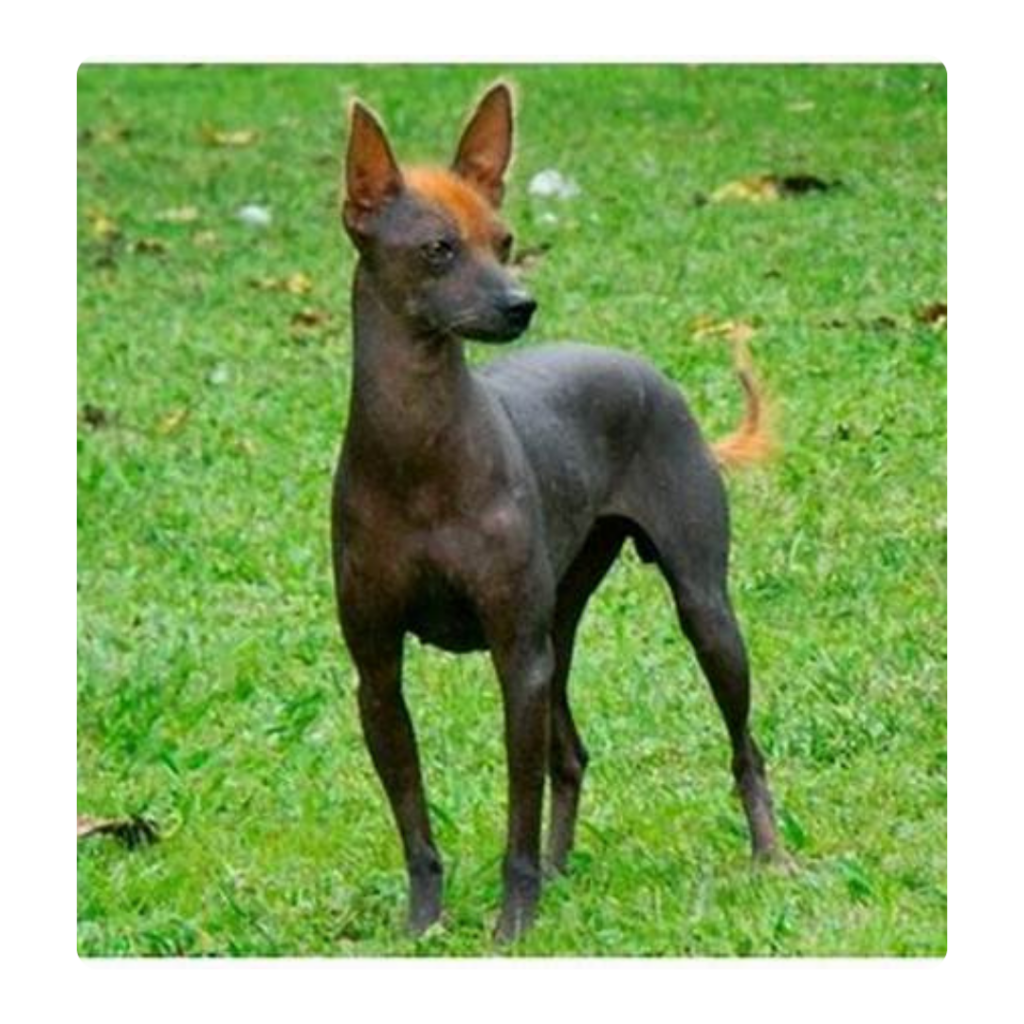
The Argentine Pila Dog, also known as the Perro Pila Argentino, is a rare breed native to Argentina. It is similar to the Xoloitzcuintli and comes in three sizes: small, medium, and large.
| Size | 9-55 Pounds |
| Lifespan | 12-14 Years |
| Temperament | Playful, affectionate, and intelligent |
6. Abyssinian Sand Terrier
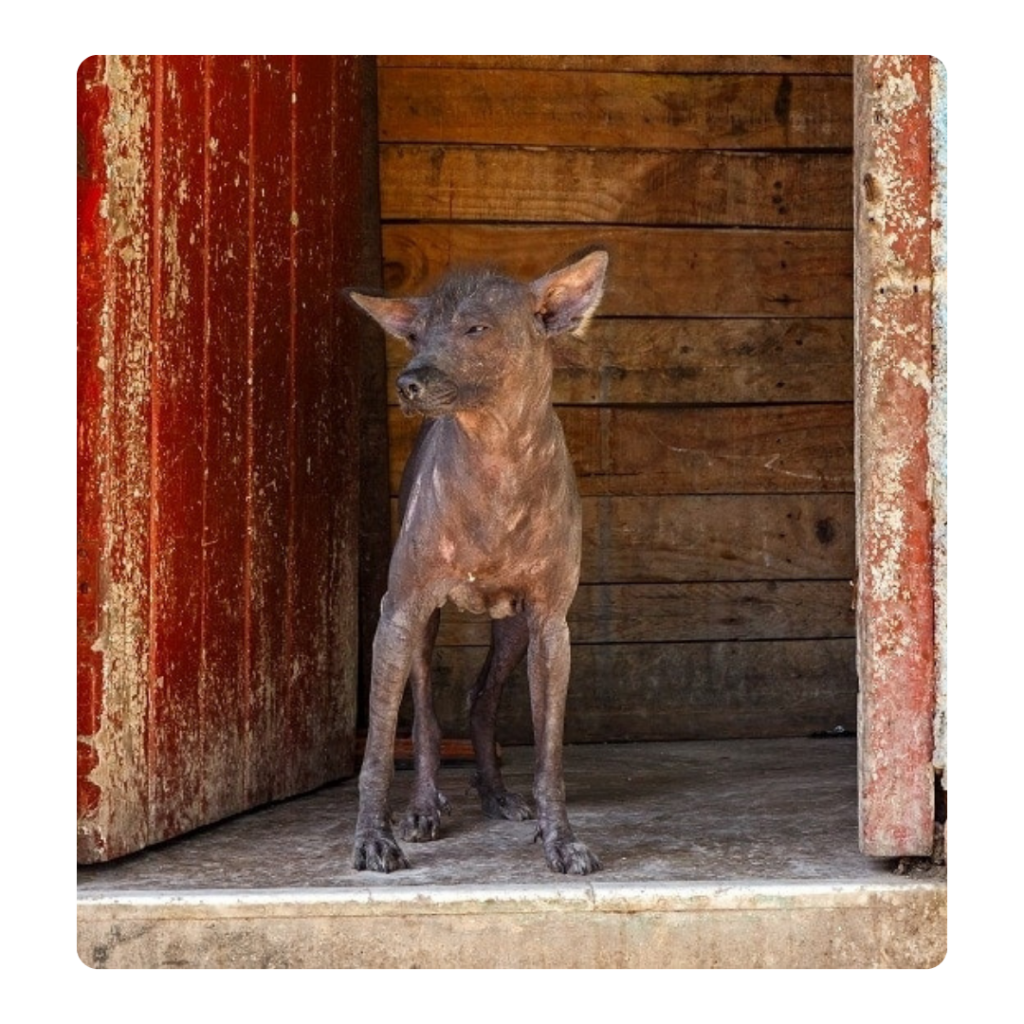
The Abyssinian Sand Terrier, also known as the African Hairless Dog, is a rare breed that is nearly hairless, with smooth skin. It is believed to have ancient origins in Africa.
| Size | 20-40 Pounds |
| Lifespan | 12-15 Years |
| Temperament | Loyal, alert, and good-natured |
7. Ecuadorian Hairless Dog
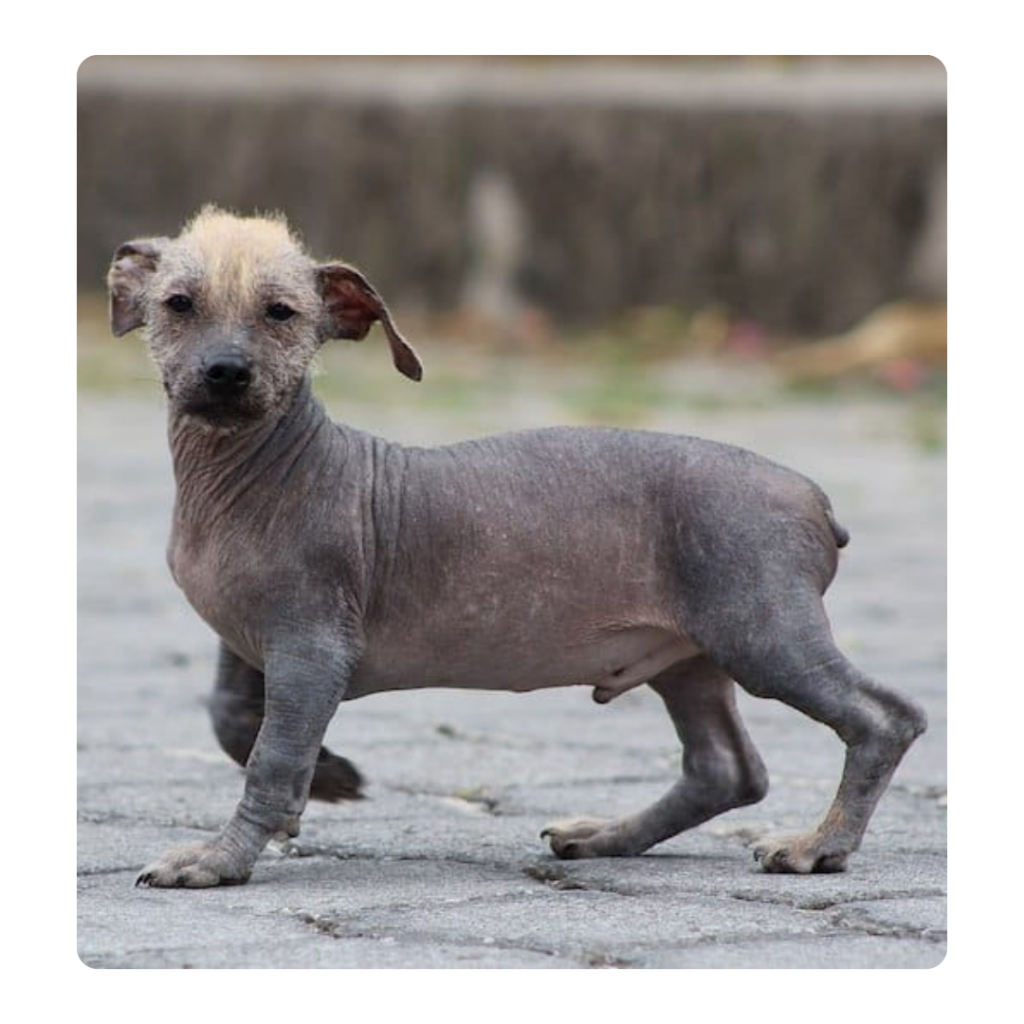
The Ecuadorian Hairless Dog is another rare breed from South America, specifically Ecuador. It is considered one of the rarest hairless dogs in the world and is known for its lively and friendly nature.
| Size | 10-20 Pounds |
| Lifespan | 10-12 Years |
| Temperament | Playful, sociable, and active |
8. Bolivian Hairless Dog
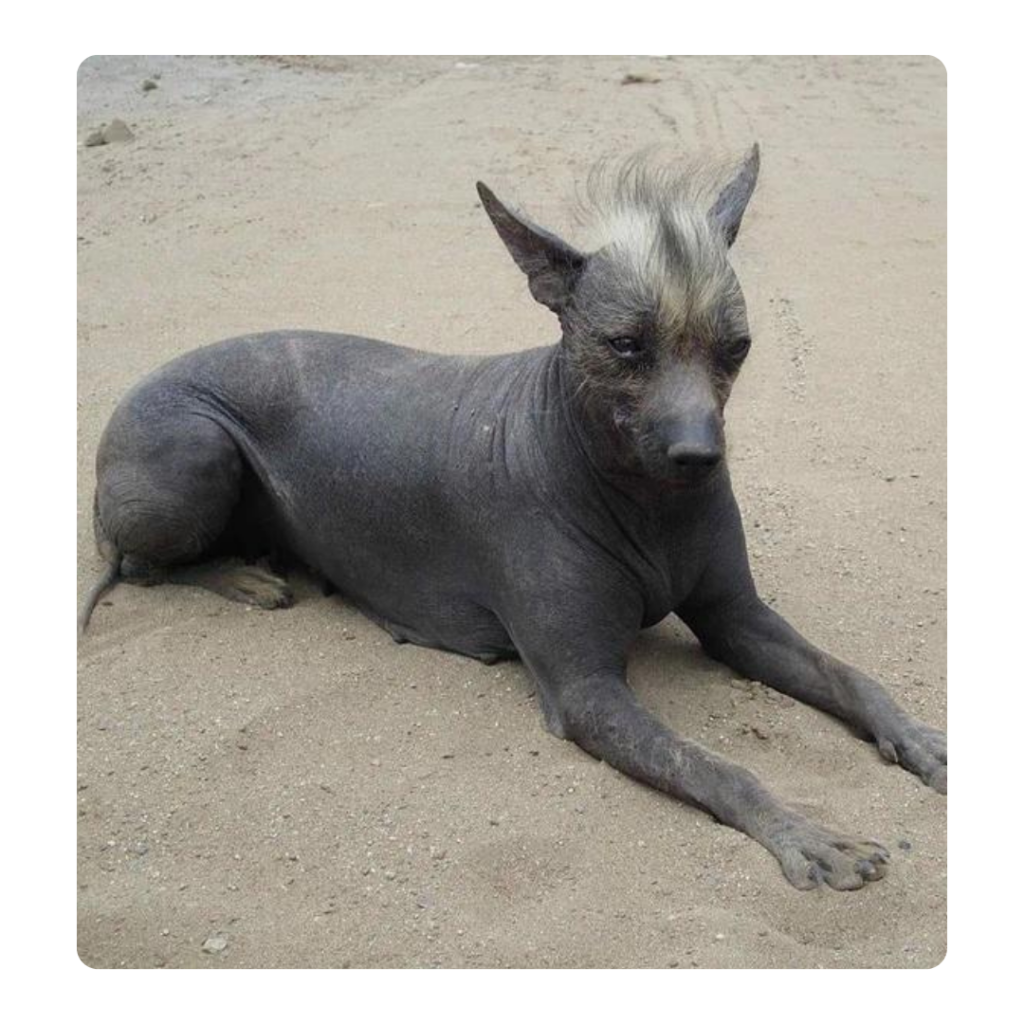
The Bolivian Hairless Dog is a lesser-known breed with origins in Bolivia. Similar to other hairless breeds, it requires careful skin care and protection from the elements.
| Size | 15-30 Pounds |
| Lifespan | 12-14 Years |
| Temperament | Loyal, affectionate, and alert |
Caring for Hairless Dog
Hairless dogs require special care to ensure their skin remains healthy and protected:
1. Skin Care
Without a coat to protect their skin, hairless dogs are prone to sunburn, dryness, and irritation. Regular application of dog-safe sunscreen and moisturizers is essential. Bathe them with a gentle, hypoallergenic shampoo to keep their skin clean and free from infections.
2. Clothing
Hairless dogs can get cold easily, especially in cooler climates. Providing them with clothing, such as sweaters and jackets, helps keep them warm. Ensure the clothing is breathable and comfortable to prevent skin irritation.
3. Diet
A balanced diet rich in omega-3 fatty acids supports healthy skin. Consult your veterinarian for specific dietary recommendations tailored to your dog’s needs.
4. Regular Check-ups
Routine veterinary visits play a vital role in maintaining your pet’s overall well-being, particularly when it comes to skin health. Skin is the body’s largest organ and serves as the first line of defense against infections, parasites, and environmental irritants. This is especially true for hairless dog breeds, which are more prone to skin issues due to their lack of fur protection. During a routine checkup, a veterinarian can thoroughly examine your pet’s skin for signs of dryness, redness, inflammation, or abnormal growths. These appointments allow for early detection of common skin problems such as mites, fungal infections, bacterial infections, hot spots, or allergic reactions.
Many skin issues can go unnoticed by pet owners until they become more severe and harder to treat. This is particularly important for hairless dog breeds, as their exposed skin makes them more susceptible to environmental irritants and infections. Regular visits help ensure that potential problems are caught early, making them easier and less expensive to manage. Moreover, skin conditions can sometimes be symptoms of underlying health issues such as hormonal imbalances, autoimmune diseases, or poor nutrition. A veterinarian can run tests to rule out or confirm such conditions and recommend appropriate treatment or dietary changes.
Preventative care is always better than reactive treatment. By attending regular veterinary checkups, pet owners not only help maintain their animal’s skin health but also contribute to their pet’s overall quality of life. Owners of hairless dog breeds in particular should be diligent with routine care to avoid preventable issues. Consistent care, professional guidance, and early intervention can make a significant difference in long-term health outcomes.
5. Hydration
Keeping your hairless dog hydrated is crucial for maintaining healthy skin. Ensure they always have access to fresh water and consider adding wet food to their diet for additional hydration.
6. Nail Care
Regular nail trimming is important for hairless dogs, as their nails can grow quickly and may cause discomfort or injury if not maintained properly.
7. Dental Hygiene
Hairless dogs, just like their furry counterparts, require consistent and attentive dental care to maintain overall health and well-being. While many owners may focus on the unique skin care needs of hairless dog breeds, it’s important not to overlook their oral hygiene. Good dental care is essential in preventing a host of problems, including plaque buildup, tartar accumulation, gum disease, and even tooth loss. Since dental issues can also contribute to more serious health conditions—such as infections that may spread to the heart or kidneys—maintaining oral hygiene is more than just a matter of fresh breath or clean teeth.
Brushing your hairless dog breeds’ teeth regularly, ideally daily or at least a few times per week, is one of the most effective ways to remove food particles and prevent plaque from hardening into tartar. Use a toothbrush and toothpaste specifically formulated for dogs, as human products can be harmful to pets. In addition to brushing, offering dental chews or toys designed to clean teeth and massage gums can be a helpful supplement. Routine dental checkups with your veterinarian are also important for identifying early signs of dental disease. By integrating dental care into hairless dog breeds’ regular grooming routines, you can help ensure a healthier, happier life for your canine companion.
8. Exercise and Mental Stimulation
Hairless dogs are often energetic and intelligent, requiring regular exercise and mental stimulation to keep them happy and healthy. Provide them with plenty of playtime, walks, and interactive toys.
Hairless dog breeds offer a unique blend of beauty, charm, and companionship. Each breed has its own distinct personality and care requirements, making them a rewarding choice for dedicated pet owners. Whether you are captivated by the ancient mystique of the Xoloitzcuintli or the rare charm of the Argentine Pila Dog, these breeds promise a special bond and endless affection.