

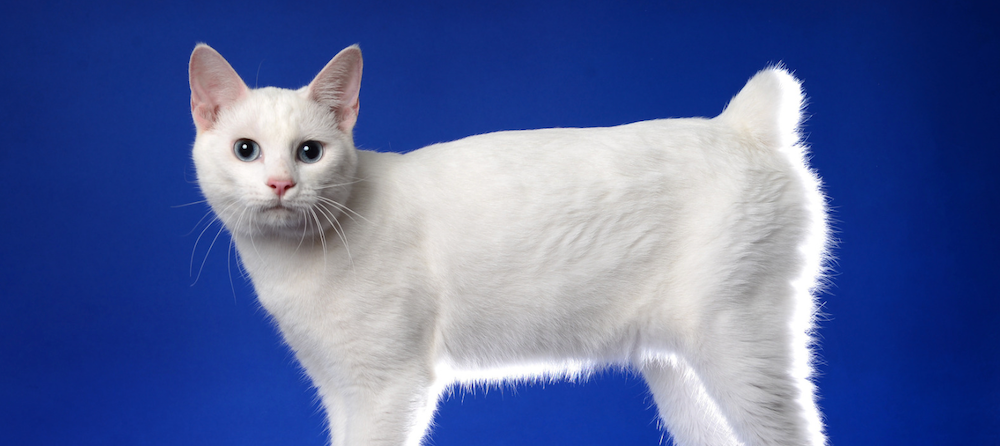

With its signature “pom-pom” tail, lively personality, and charming meow, the Japanese Bobtail is one of the most iconic and beloved feline breeds in the world. Known for bringing good luck and fortune—just look at the famous Maneki-neko or “beckoning cat” figurine—the Japanese Bobtail isn’t just a cultural symbol, but also a delightful companion for cat lovers everywhere.
In this guide, we’ll explore everything you need to know about the Japanese Bobtail, from its origin and appearance to personality, health, and care tips. Whether you’re thinking of adopting one or just want to learn more, this article covers it all.
Origin and History
The Japanese Bobtail is an ancient breed, with roots tracing back over 1,000 years in Japan. It is believed that these cats were first brought to the country from China or Korea. They quickly became favorites of Japanese society—appearing in artwork, folklore, and even imperial courts.
Historically, Japanese Bobtails were revered not just for their charm but also for their usefulness. They were employed to protect valuable silk goods by controlling rodent populations. Over time, their short, bobbed tails became associated with good fortune and prosperity.
In 1968, the breed was introduced to the United States by breeder Elizabeth Freret, and it gained recognition from the Cat Fanciers’ Association (CFA) in the 1970s.

Unique Appearance
The most recognizable feature of the Japanese Bobtail is, of course, its short, pom-pom-like tail. Each cat’s tail is as unique as a fingerprint, with a combination of curves, kinks, and spirals, all covered in fur to resemble a cotton puff.
Physical Traits:
-
Body: Medium-sized, lean, and muscular. These cats are well-balanced and agile.
-
Head: Triangular with high cheekbones and large, expressive eyes.
-
Eyes: Can be any color, and odd-eyed (each eye a different color) cats are quite common.
-
Tail: Short, flexible, and carried upright.
-
Coat: Comes in both short-haired and long-haired varieties. The coat is silky and lacks an undercoat, making grooming easy.
-
Color: Many Japanese Bobtails feature a “Mi-ke” (pronounced mee-keh) color pattern—white with patches of red and black—which is especially popular and considered lucky.
Personality and Temperament
The Japanese Bobtail is a bundle of energy, curiosity, and intelligence. If you’re looking for a cat with a dog-like personality, this breed may be perfect for you.
Key Personality Traits:
-
Playful: These cats love games, puzzles, and interactive toys. They’re known to play fetch and chase balls around like kittens, even into adulthood.
-
Sociable: Japanese Bobtails are not shy. They love to be involved in family activities and will follow you around the house.
-
Vocal: While not as loud as a Siamese, they are known for their soft, chirpy meows and trills, often “talking” with their owners.
-
Intelligent: They’re quick learners and can be trained to do tricks or walk on a leash.
-
Affectionate: This breed enjoys being petted and will often curl up on laps or snuggle in bed.
They’re great companions for families, singles, and even seniors. They also tend to get along well with other pets, including dogs, if socialized properly.
Grooming and Care
Thanks to their low-maintenance coats, Japanese Bobtails are relatively easy to care for.
Grooming Tips:
-
Brushing: Once or twice a week is enough to keep their coat shiny and tangle-free.
-
Bathing: Rarely necessary unless they get particularly dirty.
-
Ears and Nails: Regular ear checks and nail trims will keep them healthy and comfortable.
-
Dental Care: As with all breeds, brush their teeth or provide dental treats to avoid plaque buildup.
Activity Needs:
Health and Lifespan
The Japanese Bobtail is a generally healthy breed with few genetic issues. Unlike some breeds with genetic tail deformities, the bobbed tail of this breed does not cause any health problems.
Common Health Considerations:
-
No known breed-specific disorders
-
Occasional dental issues
-
Maintain a healthy weight to avoid obesity
Lifespan:
Most Japanese Bobtails live 12 to 16 years, though some can live even longer with proper care.
Regular veterinary checkups, a balanced diet, and an active lifestyle will help ensure a long, happy life.

Is the Japanese Bobtail Right for You?
This breed is ideal if you’re looking for:
-
A cat with a unique, eye-catching appearance
-
An active and intelligent feline companion
-
A sociable pet that enjoys human interaction
-
A cat that is low-maintenance in terms of grooming
-
A breed with cultural and historical significance
However, they may not be the best fit for someone looking for a calm, quiet, or highly independent cat. Japanese Bobtails crave interaction and can become bored or lonely if left alone for long periods.
Fun Facts About the Japanese Bobtail
-
The Maneki-neko, or “Lucky Cat” often seen in Japanese shops and restaurants, is modeled after the Japanese Bobtail.
-
This breed has been featured in ancient Japanese woodblock prints, poetry, and folklore.
-
Their tails are naturally occurring mutations, not the result of human interference.
-
Odd-eyed Japanese Bobtails are especially prized and are considered symbols of good fortune.
Final Thoughts
The Japanese Bobtail is more than just a pretty face with a quirky tail—it’s a loving, intelligent, and spirited companion that can bring joy and energy into any home. With its rich history and lively nature, this breed has captivated hearts for centuries and continues to do so in modern homes across the world.
If you’re looking for a unique cat that thrives on play, affection, and interaction, the Japanese Bobtail may just be your purr-fect match.