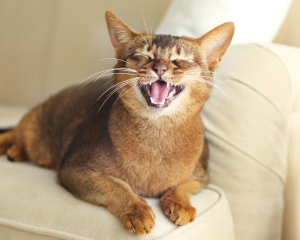

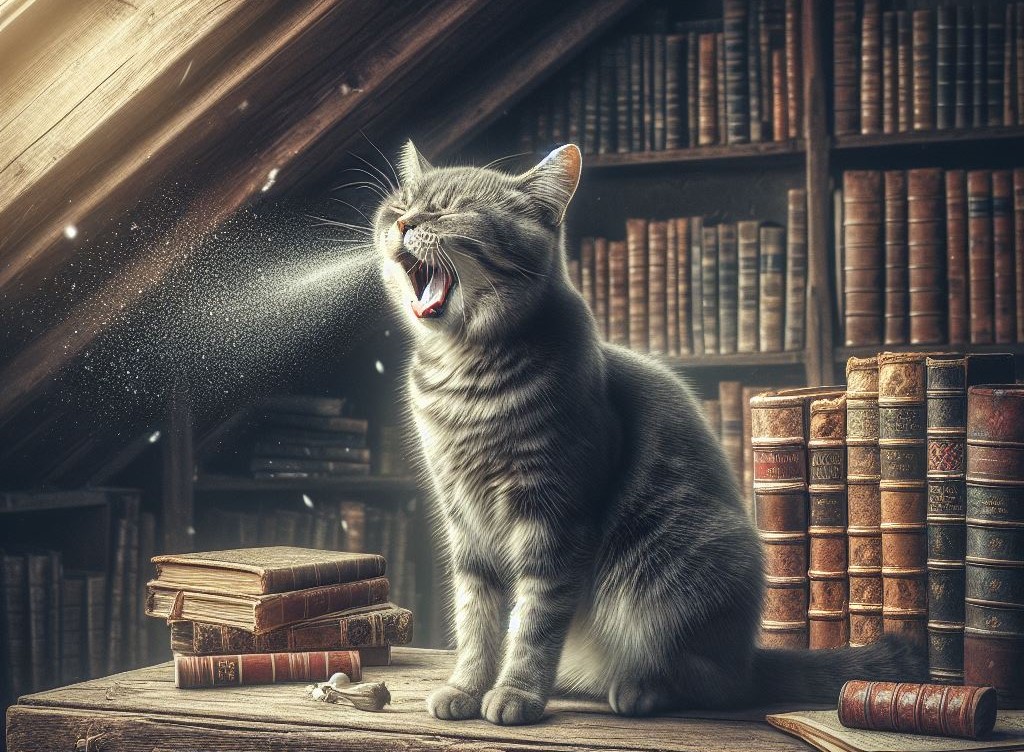

Cat Sneezing is a common and often harmless occurrence in cats, much like it is in humans. However, when it becomes frequent or persistent, it can raise concerns for pet owners. Occasional Cat Sneezing may be triggered by simple irritants such as dust, strong scents, or even a stray hair tickling the inside of the nose. In these cases, the sneezing usually resolves on its own and doesn’t indicate a serious problem. But if your cat is sneezing a lot over an extended period, it may be a sign of an underlying health issue that requires attention.
There are several potential causes of frequent sneezing in cats. Upper respiratory infections, often caused by viruses such as feline herpesvirus or calicivirus, are among the most common culprits. These infections can lead to symptoms similar to a cold in humans, including sneezing, nasal discharge, coughing, and lethargy. Allergies, dental disease, or even foreign bodies lodged in the nasal passages can also cause repeated sneezing episodes.
In this blog post, we’ll take a closer look at the possible reasons behind your Cat Sneezing and provide guidance on when it’s time to visit the vet. We’ll also explore some home remedies and care tips to help ease your feline friend’s discomfort.
Cat Sneezing: Common Causes
- Allergies: Cats can be allergic to various environmental factors such as pollen, dust, mold, or certain fragrances. Allergic reactions often manifest through sneezing, itching, and watery eyes.
- Upper Respiratory Infections: Viral or bacterial infections, such as feline herpesvirus or calicivirus, can lead to sneezing fits in cats. Other symptoms may include nasal discharge, coughing, and lethargy.
- Foreign Objects: If your cat inhales or ingests a foreign object, it can trigger sneezing as their body attempts to expel the irritant. Common culprits include grass, dust particles, or small toys.
- Dental Issues: Dental problems like gum disease or tooth abscesses can cause nasal irritation and lead to sneezing.
- Nasal Polyps or Tumors: In some cases, growths within the nasal passages, such as polyps or tumors, can obstruct airflow and result in frequent sneezing.
When to seek Veterinary Attention
While occasional sneezing is normal for cats, persistent or severe sneezing warrants a visit to the veterinarian. Additional signs to watch for include:
- Blood in nasal discharge
- Difficulty breathing
- Loss of appetite
- Lethargy
- Changes in behavior
These symptoms could indicate a more serious underlying condition that requires prompt medical attention.
Tips to Help Sneezing Cat
- Keep the Environment Clean: Regularly clean your home to minimize dust, pollen, and other potential allergens. Use pet-friendly cleaning products to avoid exacerbating your cat’s symptoms.
- Provide Proper Nutrition: A balanced diet can support your cat’s immune system and overall health, reducing their susceptibility to infections.
- Humidify the Air: Using a humidifier can help moisten the air, easing nasal congestion and reducing sneezing episodes.
- Consult Your Veterinarian: If your cat’s sneezing persists or worsens, consult your veterinarian for a thorough examination and appropriate treatment plan.
Excessive sneezing in cats is a common symptom that can indicate a variety of underlying health issues, ranging from mild irritants like allergies to more serious conditions such as respiratory infections. Cat sneezing is often caused by an irritant in their nasal passages, which triggers the body’s natural response to expel the irritant. Common causes include dust, pollen, strong odors, and household cleaning products. However, if the sneezing persists or is accompanied by other symptoms like nasal discharge, coughing, or changes in appetite, it may signal a more serious condition.
One possible cause is feline upper respiratory infections, which are similar to the common cold in humans and are often caused by viruses like feline herpesvirus or calicivirus. Another potential culprit is allergies, which can be triggered by environmental factors such as pollen, mold, or dust mites. In some cases, sneezing may also be linked to dental issues or sinus infections. If your cat sneezes repeatedly, it’s essential to monitor their behavior closely.
Cat sneezing can sometimes be a sign of a more serious problem, such as a bacterial infection or a foreign object stuck in their nasal passages. If the sneezing persists or worsens, it’s crucial to consult a veterinarian for a thorough evaluation and appropriate treatment.
To ensure your cat’s well-being, it is important to seek veterinary advice if the sneezing continues. A vet can perform an exam to identify the underlying cause and recommend the appropriate treatment, whether that’s medications, allergy management, or other forms of care. By staying proactive and attentive, you can help alleviate your cat’s discomfort and support their long-term health.
Conclusion
While an occasional sneeze from your cat may not be cause for concern, frequent or persistent Cat Sneezing should not be overlooked. Just like in humans, sneezing in cats can result from a variety of causes, ranging from harmless irritants—such as dust, pollen, or strong smells—to more serious underlying health issues. These can include upper respiratory infections, allergies, foreign objects lodged in the nasal passages, or even dental disease, which can sometimes affect the nasal cavity.
Being observant is key. If Cat Sneezing is accompanied by other symptoms such as nasal discharge, coughing, lethargy, loss of appetite, or watery eyes, it could point to an infection or another health concern that requires veterinary attention. Additionally, kittens, senior cats, or those with compromised immune systems may be more susceptible to complications from even minor respiratory issues.
Maintaining a clean, low-stress environment can help reduce potential irritants. Regular check-ups and prompt attention to any changes in your cat’s behavior or health can make a big difference in early detection and treatment. Your veterinarian is the best resource for diagnosing the cause of Cat Sneezing and recommending appropriate care. With vigilance and timely support, you can help ensure your feline friend stays healthy, comfortable, and sneeze-free.