

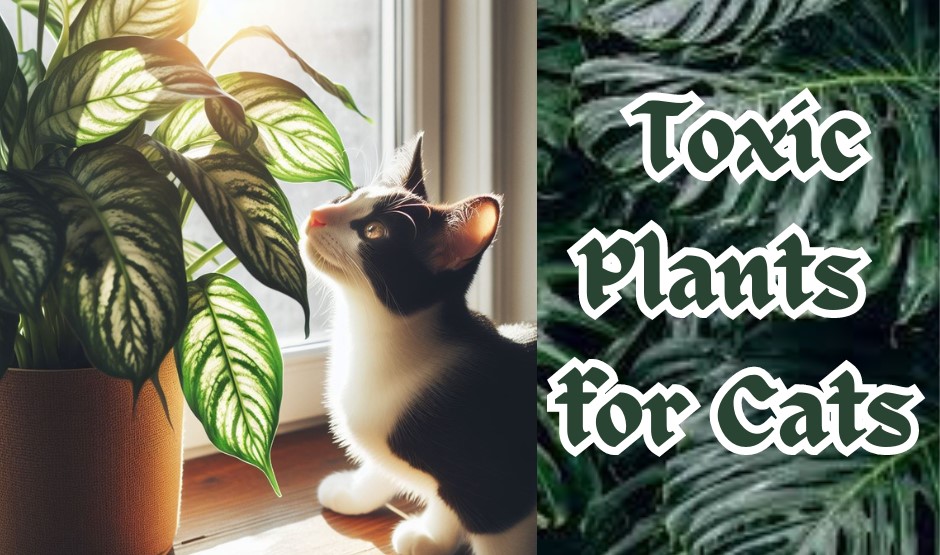

Toxic Plants for Cats: Cats have a natural curiosity that often leads them to explore every corner of their environment, from high shelves to tucked-away nooks — and especially the lush greenery we use to decorate our homes. Houseplants bring a sense of vibrancy, life, and freshness to indoor spaces, and many people find joy and relaxation in caring for them. However, what many cat owners may not realize is that some of these beautiful plants can be harmful, or even deadly, to their feline companions. Toxic Plants for Cats pose a serious risk when curious pets nibble on leaves, paw at soil, or play with hanging vines — turning innocent behavior into a medical emergency.
Certain plants, such as lilies, philodendrons, pothos, and dieffenbachia, contain substances that are highly toxic to cats. Ingesting even small amounts can cause symptoms ranging from mild gastrointestinal upset to severe kidney failure or neurological damage. Because cats are skilled climbers and persistent explorers, keeping Toxic Plants for Cats out of reach can be a challenge. As responsible pet owners, it’s essential to educate ourselves about Toxic Plants for Cats, choose pet-safe greenery, and always monitor our cats’ interactions with indoor plants. Creating a safe, enriching environment ensures our feline friends stay healthy and protected while enjoying their home — free from the danger of Toxic Plants for Cats.
Understanding the Risks
Many common houseplants and outdoor garden species contain toxins that can be extremely harmful or even deadly to cats if ingested. Toxic Plants for Cats are a serious concern for pet owners, especially since cats are naturally curious animals that often explore their surroundings with their mouths. They may chew on leaves, stems, or flowers out of boredom, curiosity, or even as a form of play. Unfortunately, this innocent behavior can have dangerous consequences when Toxic Plants for Cats are involved.
Some of the most popular ornamental plants, such as lilies, azaleas, sago palms, and philodendrons, contain substances that are toxic to felines. Even small amounts can cause a wide range of symptoms, including drooling, vomiting, diarrhea, lethargy, seizures, and in severe cases, kidney or liver failure. For example, ingesting any part of a lily plant can lead to fatal kidney damage in cats within just a few days if left untreated.
Pet owners often unknowingly place their cats at risk by keeping these plants indoors or allowing them access to gardens that contain toxic species. Toxic Plants for Cats can go unnoticed until symptoms arise, and since cats are often silent sufferers, the poisoning may already be advanced by the time it’s detected. For this reason, it is essential to research and avoid keeping any Toxic Plants for Cats that could pose a risk to your cat’s health. Choosing non-toxic alternatives can help ensure a safe environment for your feline companion.
Common Toxic Plants
Among the vast array of plant species, several are known to be toxic to cats:
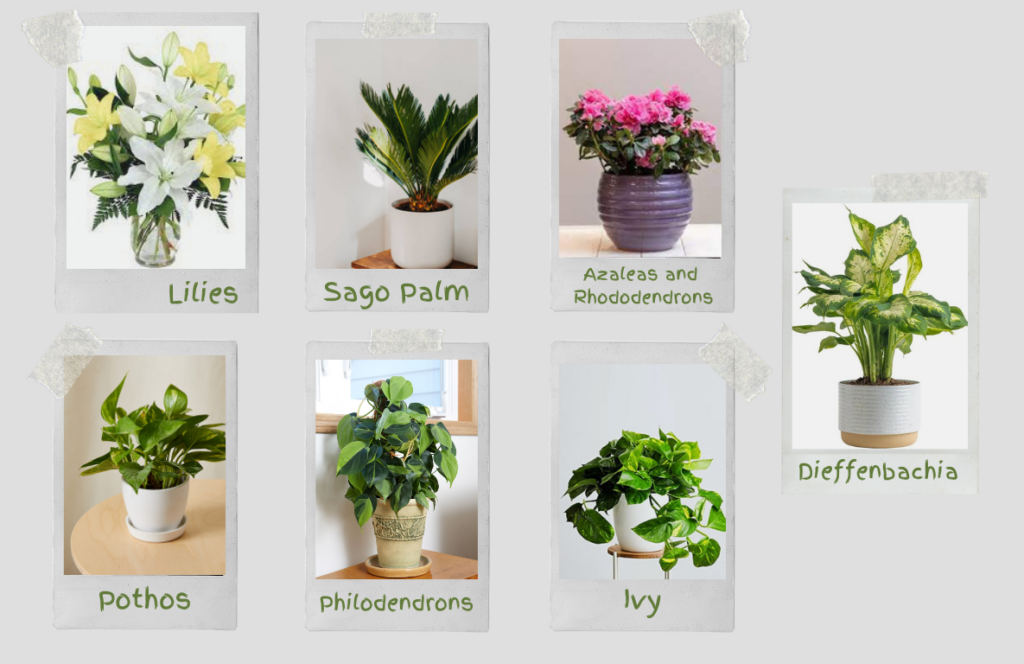
- Lilies: Particularly dangerous, even small ingestions can lead to kidney failure in cats.
- Sago Palm: All parts of this plant are toxic, causing vomiting, diarrhea, and liver failure.
- Azaleas and Rhododendrons: These popular garden shrubs can cause vomiting, diarrhea, and even coma or death.
- Dieffenbachia: Also known as dumb cane, this plant can cause oral irritation, intense burning, and difficulty swallowing.
- Pothos: Mild to moderate gastrointestinal upset can occur if ingested.
- Philodendrons: Like pothos, philodendrons can cause oral irritation, drooling, vomiting, and difficulty swallowing.
- Ivy: Ingestion can result in vomiting, abdominal pain, hypersalivation, and diarrhea.
This list is by no means exhaustive, and it’s essential to research any plant before bringing it into a home with cats.
Recognizing Symptoms
Being able to recognize the signs of plant poisoning in cats is crucial for seeking prompt veterinary care. Symptoms may vary depending on the plant ingested but can include:
- Vomiting
- Diarrhea
- Drooling
- Loss of appetite
- Lethargy
- Difficulty breathing
- Seizures
If you suspect your cat has ingested a toxic plant, contact your veterinarian immediately or seek emergency veterinary care.
Prevention and Safety Measures
Prevention is key to keeping cats safe from plant toxins:
- Research: Before purchasing or bringing a new plant into your home, research its toxicity level for cats.
- Keep Plants Out of Reach: Place toxic plants in areas inaccessible to cats, such as high shelves or hanging planters.
- Supervision: Supervise your cat’s interactions with plants, especially if they are prone to chewing on foliage.
- Provide Safe Alternatives: Offer cat-friendly grasses or catnip to satisfy your cat’s urge to nibble on greenery.
By taking these precautions, you can create a safe environment where your feline companion can enjoy the beauty of plants without risking their health.
While plants can enhance our living spaces, some pose significant risks to our beloved feline companions. Educating yourself about toxic plants and implementing preventive measures are essential steps in ensuring your cat’s safety. By being vigilant and proactive, you can create a home where both plants and pets can thrive harmoniously.
Remember, when in doubt, always consult your veterinarian for guidance on keeping your cat safe from potential plant toxins.
Conclusion: Understanding Toxic Plants for Cats
In summary, understanding which common houseplants and garden flora are toxic to cats is essential for every pet owner committed to their feline’s health and safety. Many popular plants that enhance our homes and gardens can pose hidden dangers to curious cats. For instance, lilies are extremely toxic—even small amounts can lead to kidney failure. Pothos, often chosen for its ease of care, can irritate a cat’s mouth and digestive system, while sago palms contain cycasin, a substance that can cause liver failure and even death if ingested. These dangers often go unnoticed until it’s too late, making awareness of Toxic Plants for Cats a crucial part of responsible pet ownership.
Being proactive about plant safety involves more than just avoiding known toxins. It means reading plant labels carefully when shopping, researching unfamiliar species, and consulting with veterinarians or reputable pet resources about Toxic Plants for Cats. Pet owners can also explore a wide variety of cat-safe plants, such as spider plants, areca palms, and certain herbs like catnip and basil, to maintain a lush environment without putting their pets at risk.
Creating a safe living space means making informed choices. Protecting your cat from Toxic Plants for Cats is not just an act of love—it’s a vital step in providing a secure, nurturing home where they can thrive. Regularly updating your knowledge about Toxic Plants for Cats can prevent accidental poisonings and ensure your feline remains healthy and safe year-round.