

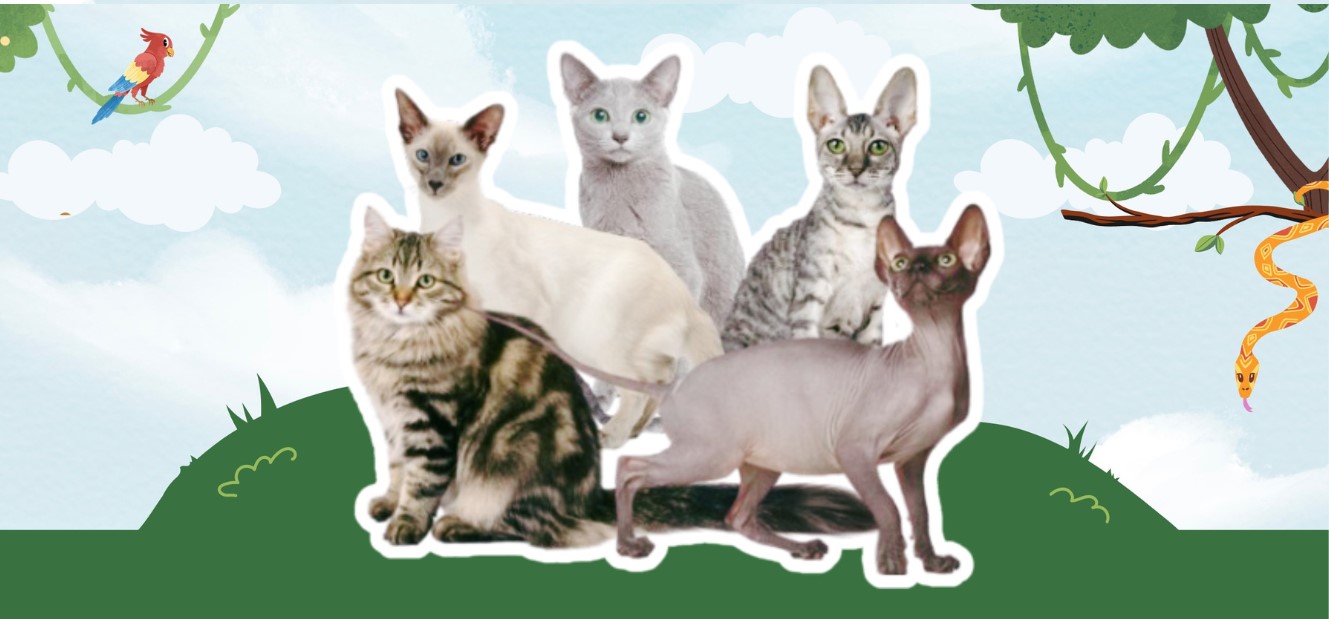

Allergies often pose a significant challenge for animal enthusiasts, particularly those who have a soft spot for cuddly and charming feline friends; however, Hypoallergenic Cats offer a promising solution. Fortunately, there’s a glimmer of hope for those longing to experience the joys of feline companionship without the allergic aftermath. Enter the world of Hypoallergenic Cats — specially bred or naturally occurring breeds that tend to produce fewer allergens than typical cats.
While no cat is completely free of allergens, some breeds have been found to produce lower levels of the protein Fel d 1, the primary allergen found in cat saliva, skin, and dander. These hypoallergenic breeds offer a promising solution for allergy sufferers, allowing them to enjoy the warmth, affection, and playful nature of cats without severe allergic reactions.
In this article, we’ll delve into what makes a cat hypoallergenic, explore popular hypoallergenic breeds like the Siberian, Balinese, and Devon Rex, and provide practical tips for managing allergens in your home. Whether you’re mildly allergic or simply curious, understanding the traits and care of hypoallergenic cats can help you make an informed and hopeful step toward feline companionship.
Understanding Hypoallergenic Cats
Hypoallergenic cats, unlike their allergen-laden counterparts, produce fewer allergens, thus reducing the likelihood of triggering allergic reactions in sensitive individuals. While no cat can be entirely hypoallergenic, specific breeds are selectively bred to emit fewer allergens, offering better compatibility for allergy sufferers.
Exploring Hypoallergenic Cat Breeds
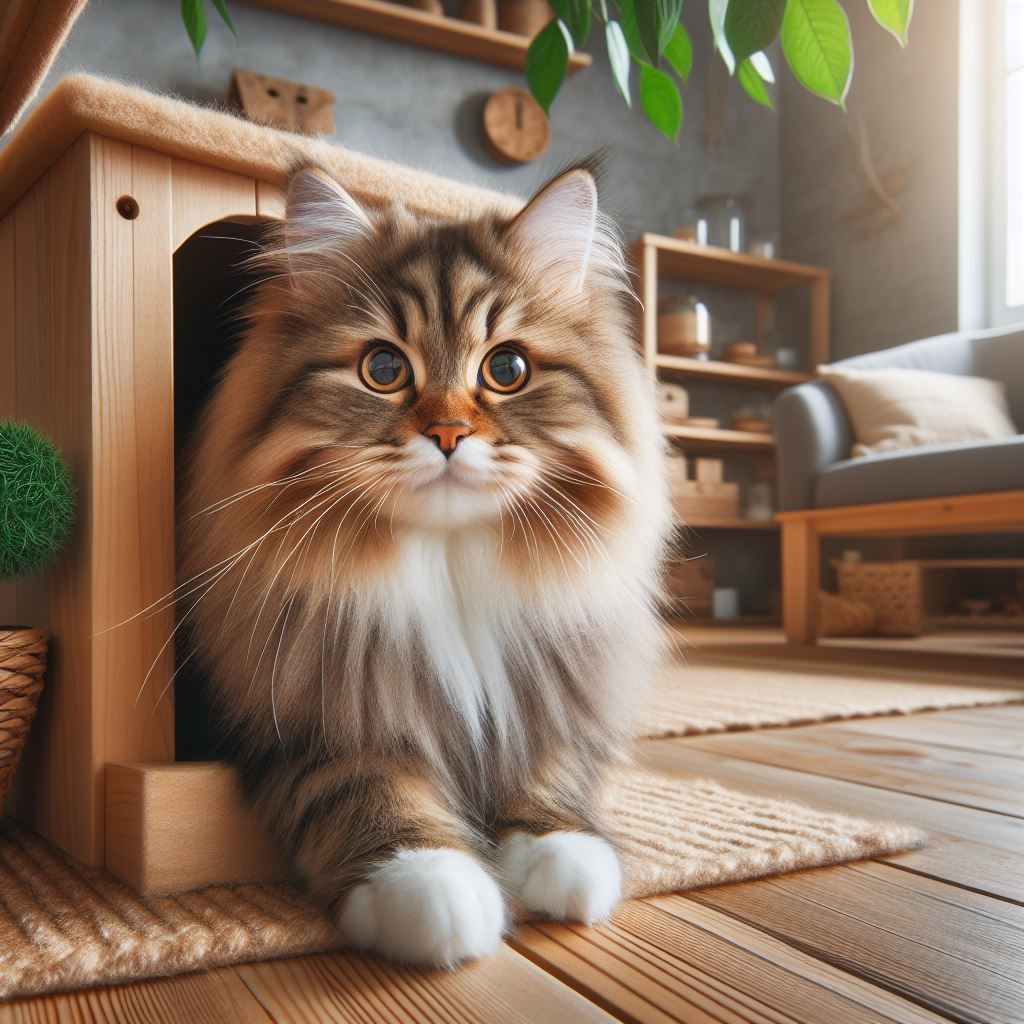
1. Siberian Cat
Originating from the vast, snowy landscapes of Russia, the Siberian cat is a majestic and robust breed that has adapted beautifully to some of the harshest climates on Earth. Known for its powerful build and gentle nature, the Siberian cat is also celebrated for its luxurious, triple-layered coat. This dense fur not only provides insulation against the cold but also contributes to a unique and highly desirable trait: the production of significantly fewer allergens compared to many other cat breeds. Specifically, Siberians produce lower levels of the protein Fel d 1, the primary allergen found in cat saliva, dander, and skin oils, making them a potentially better choice for allergy sufferers seeking hypoallergenic cats.
Their thick coat, consisting of a soft undercoat, a denser middle layer, and a coarse outer layer, acts as a natural barrier. It helps trap the allergens closer to the skin and minimizes their spread into the environment. Despite this, regular grooming is still essential to maintain the coat’s health and to further reduce any allergen buildup. With their affectionate temperament, playful energy, and hypoallergenic potential, Siberian cats are becoming increasingly popular worldwide. These hypoallergenic cats not only offer companionship but also hope for those who typically struggle with feline allergies. As more people discover the benefits of owning hypoallergenic cats, the Siberian’s reputation as a beloved and accessible pet continues to grow.
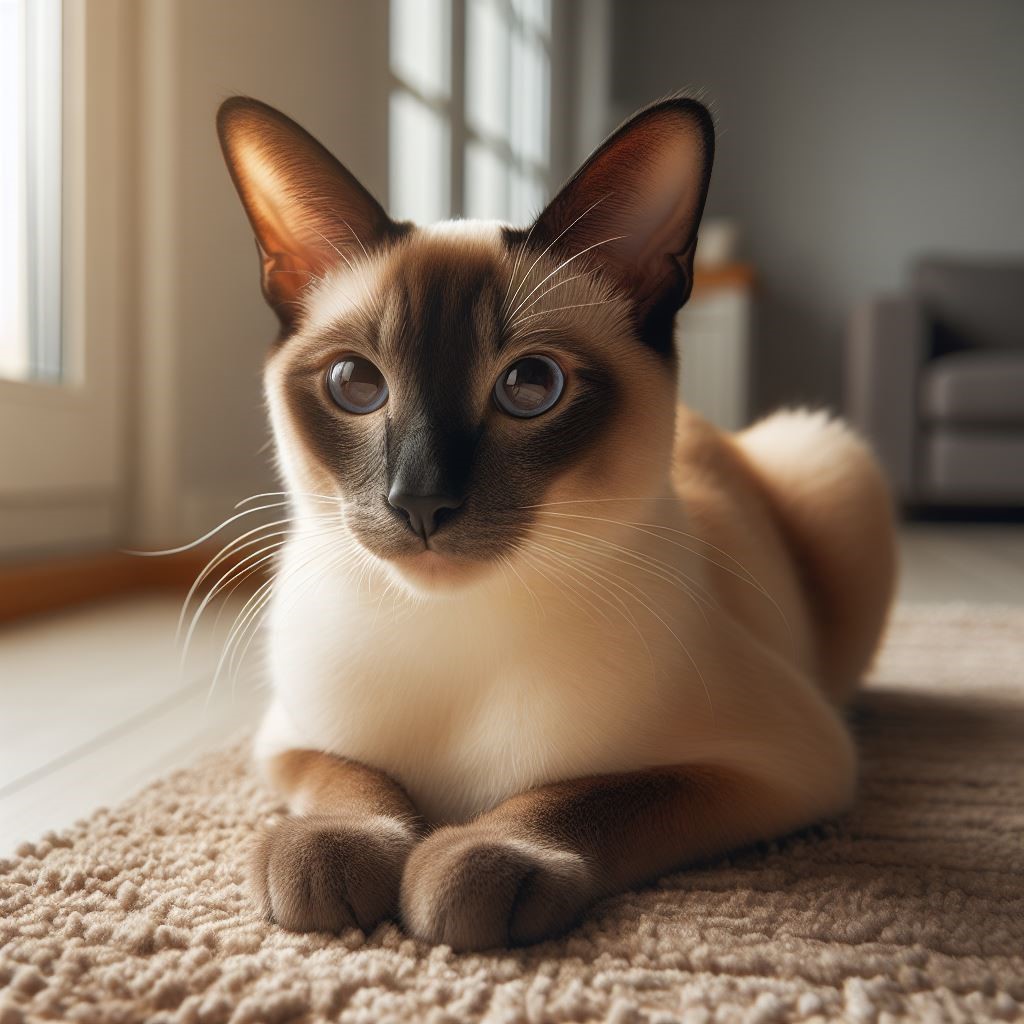
2. Balinese Cat
Known for their striking resemblance to the Siamese breed, Balinese cats possess a single coat of fine fur, which sheds less and produces fewer allergens. Their affectionate nature and elegant appearance make them an ideal choice for allergy sufferers seeking a devoted companion.
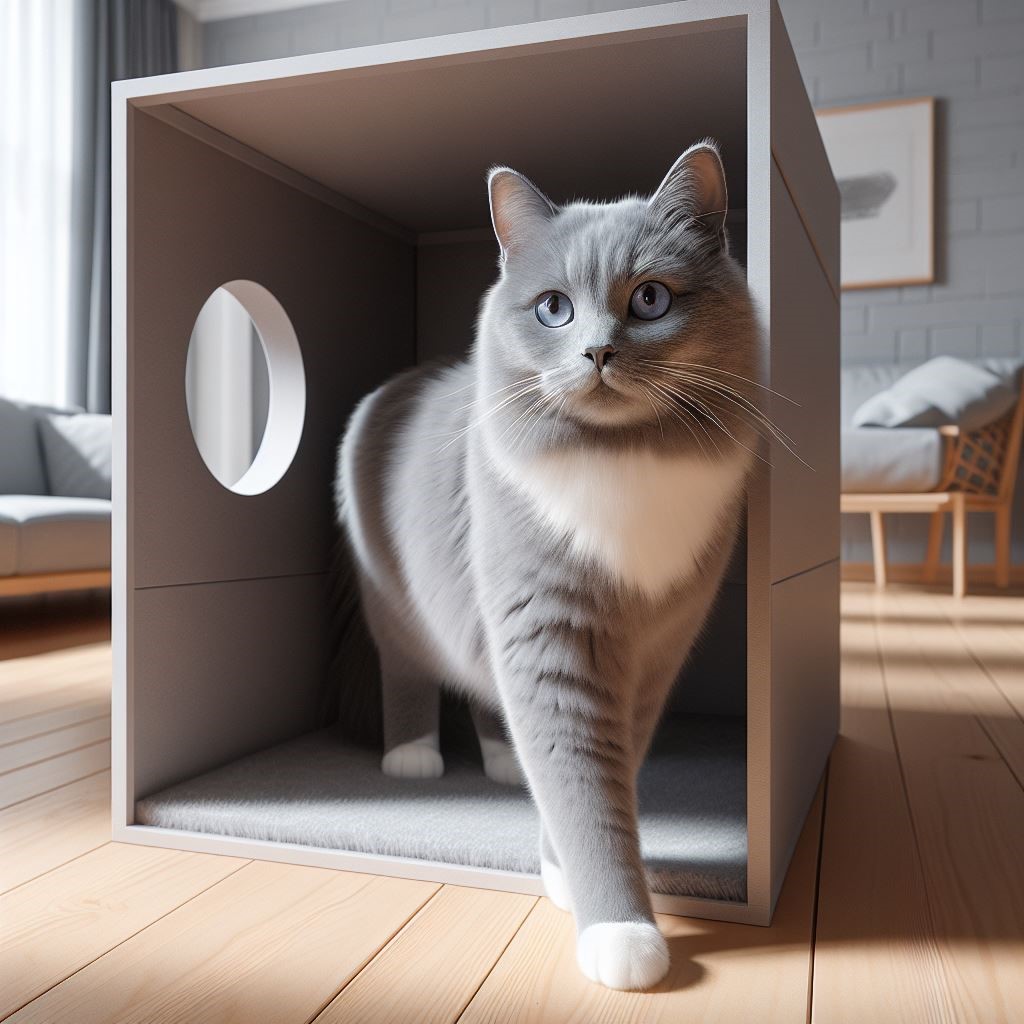
3. Russian Blue
Renowned for their stunning silver-blue coat and striking emerald green eyes, Russian Blue cats are not only admired for their elegance and beauty but also appreciated for their hypoallergenic qualities. These graceful felines have a short, dense double coat that feels like plush velvet and gives them a luxurious appearance. Unlike many other breeds, Russian Blues shed minimally and are known to produce lower levels of the Fel d 1 protein—a common allergen found in a cat’s saliva, skin glands, and dander. This makes them a more suitable choice for individuals who suffer from mild cat allergies.
Their grooming habits also contribute to their reputation as a hypoallergenic breed. Russian Blues are naturally clean cats, often grooming themselves thoroughly, which can help limit the spread of allergens around the home. Though no cat is truly 100% hypoallergenic, many allergy sufferers report fewer symptoms around Russian Blues compared to other breeds. In addition to their low-allergen profile, they are also known for their calm, gentle, and affectionate temperament, making them excellent companions for both individuals and families. Russian Blues are intelligent and tend to form strong bonds with their owners, adding emotional warmth to their already appealing physical characteristics.
4. Cornish Rex
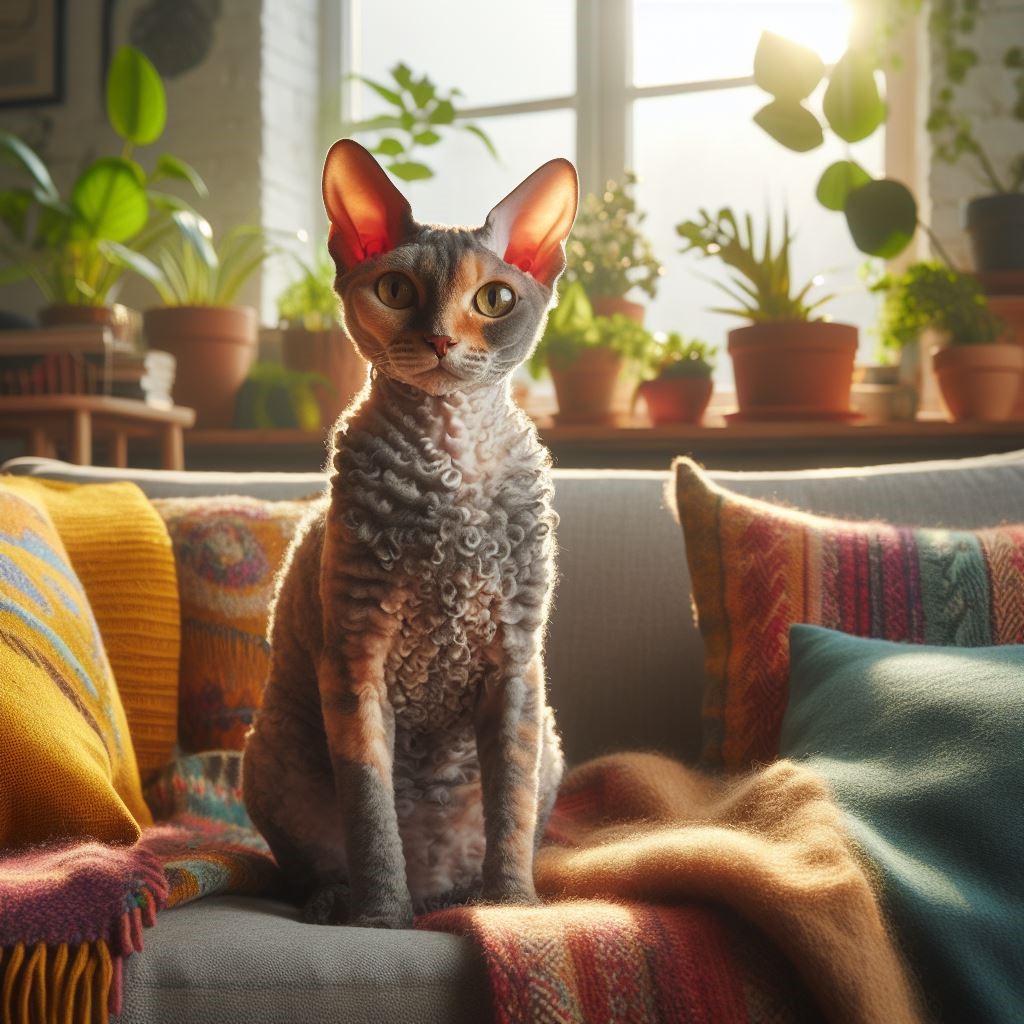
With their distinctive curly coat and playful demeanor, Cornish Rex cats have captured the hearts of cat lovers around the world. Unlike most breeds, the Cornish Rex lacks the typical outer coat of guard hairs, leaving only a soft, downy undercoat that feels much like crushed velvet to the touch. This unique fur not only contributes to their eye-catching appearance but also significantly reduces the amount of shedding. As a result, Cornish Rex cats are often considered hypoallergenic cats and a better choice for people with allergies, since they tend to spread fewer allergens compared to other breeds.
In addition to their charming looks, Cornish Rex cats are known for their energetic and outgoing personalities. They love to play, climb, and interact with their human companions, often displaying a dog-like loyalty and intelligence. These hypoallergenic cats thrive on attention and enjoy being involved in every aspect of family life. Their high activity level and social nature make them well-suited for homes where they can receive plenty of mental stimulation and affection.
Because of their short coat and minimal shedding, grooming needs are low, though occasional gentle bathing can help remove natural oils from their skin. Overall, the Cornish Rex makes a delightful pet for those seeking an affectionate, fun-loving, and relatively low-maintenance feline companion. For individuals sensitive to pet allergens, these hypoallergenic cats offer an especially appealing option.
5. Sphynx Cat
Contrary to common belief, cat allergies are not caused by the fur itself, but by proteins found in a cat’s saliva and skin glands. When cats groom themselves, they deposit saliva on their fur, which then dries and becomes airborne as tiny particles, triggering allergic reactions in sensitive individuals. These proteins, specifically Fel d 1, are the primary culprits behind allergic responses, including sneezing, itchy eyes, and respiratory problems. Even cats that shed less fur can still produce these allergens through their saliva, skin, and dander.
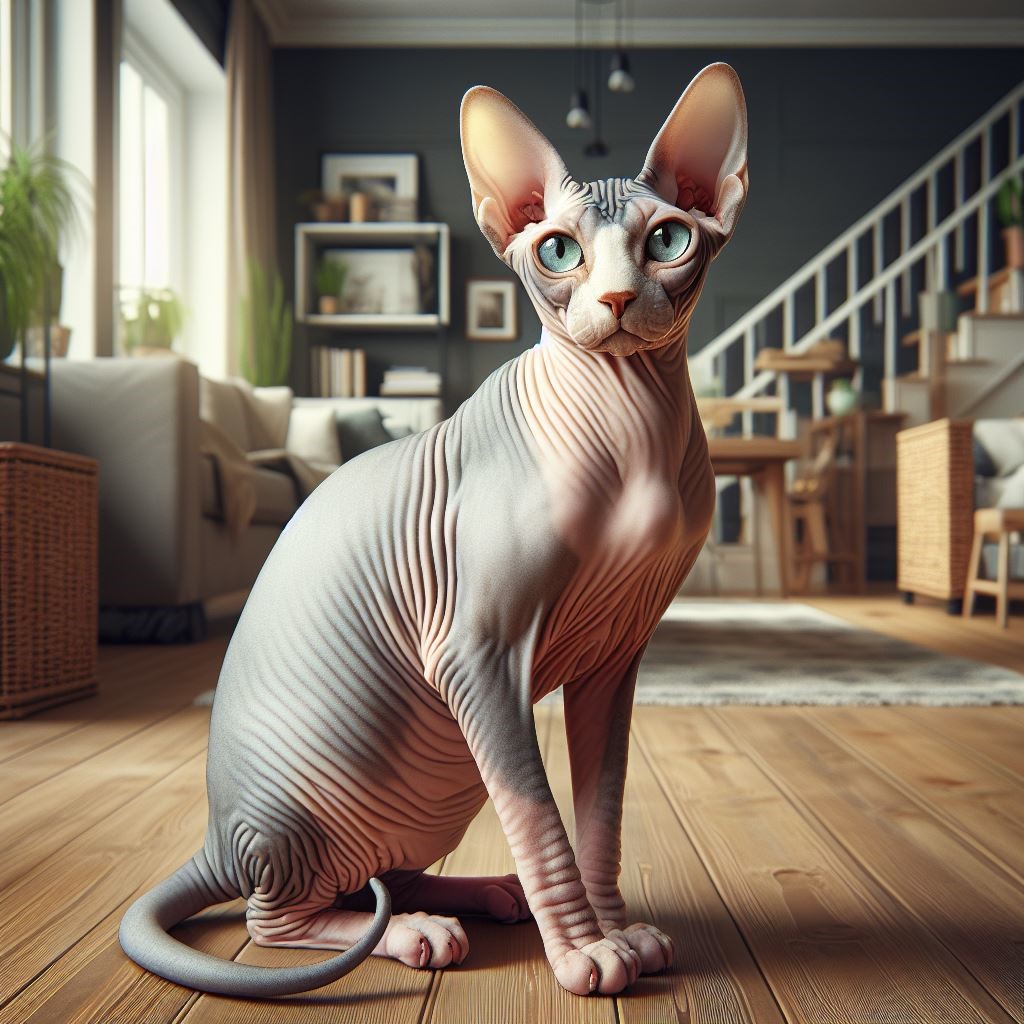
Sphynx cats, often considered a solution for allergy sufferers, are unique because they have little to no fur. While they are not completely hypoallergenic, they are frequently marketed as hypoallergenic cats because they tend to produce fewer allergens compared to their furry counterparts. Without a thick coat of fur to trap the saliva-based allergens, Sphynx cats may reduce the amount of allergens in the environment.
However, it’s important to note that they still secrete oils from their skin, which can accumulate and contribute to allergens. Regular bathing is recommended to help reduce the buildup of these oils and minimize allergic reactions. Though Sphynx cats may be a better option for severe allergy sufferers, it’s crucial to remember that no breed truly qualifies as hypoallergenic cats, though some individuals may react less to certain breeds. Ultimately, those seeking hypoallergenic cats should spend time with the breed first to determine their personal sensitivity.
Considerations for Prospective Owners
Before bringing home a hypoallergenic cat, consider essential factors.
- Allergy Testing: Before committing to a hypoallergenic cat, individuals should undergo allergy testing to determine their specific triggers and sensitivities.
- Grooming Requirements: Regular grooming is essential for hypoallergenic breeds to minimize allergen buildup and maintain coat health.
- Environmental Control: Implementing measures such as HEPA air filters and frequent cleaning can further reduce allergen exposure within the home environment.
- Individual Compatibility: Despite their hypoallergenic qualities, some individuals may still experience allergic reactions to certain breeds. It’s crucial to spend time with the cat beforehand to assess compatibility and minimize potential risks.
Hypoallergenic cats offer hope to allergy sufferers, providing feline companionship without triggering severe allergic reactions. These special breeds offer boundless affection and comfort to allergy sufferers, proving the perfect furry friend is within reach with proper care.