

As devoted pet owners, we always want what’s best for our feline companions. When our cats show signs of discomfort—especially something as concerning as red, watery, or irritated eyes—it’s only natural to want to help as quickly as possible. In our eagerness to provide relief, some may consider using over-the-counter human medications, including Human Eyedrops for Cats, thinking they might offer a quick fix. However, this approach can do more harm than good.
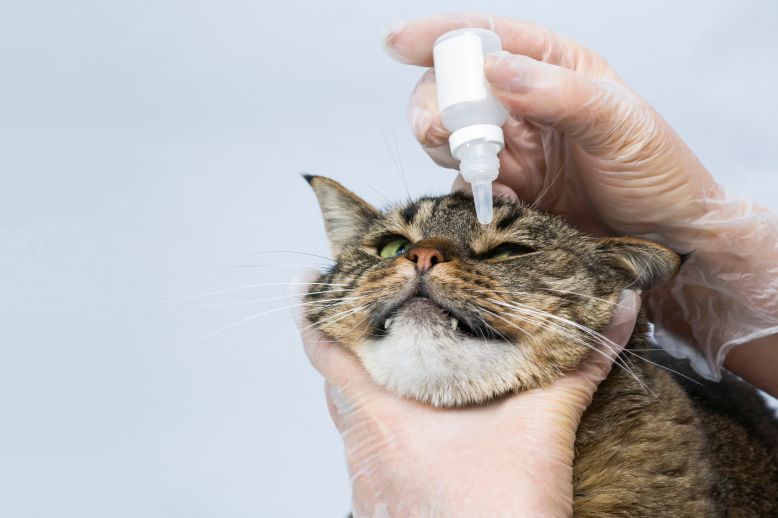
The straightforward answer to the question of whether Human Eyedrops for Cats can be used safely is a firm no. Cats have delicate eyes and physiology that differ significantly from humans. Many human eye drops contain ingredients, such as preservatives or medications like steroids and decongestants, that can be harmful—or even toxic—to cats. Using the wrong Human Eyedrops for Cats can worsen the condition, cause allergic reactions, or lead to serious complications such as corneal damage or systemic toxicity.
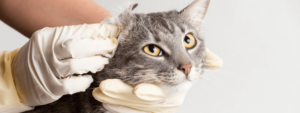
Instead of reaching for Human Eyedrops for Cats, the best course of action is to consult a veterinarian. They can properly diagnose the issue—whether it’s an infection, allergy, injury, or something more serious—and prescribe appropriate treatment. When it comes to your cat’s health, especially their eyes, expert guidance is always the safest route.
Human Eyedrops for Cats: Why They’re Not Safe
- Differences in Formulation: Human eyedrops are crafted specifically for human eyes, which differ significantly from cat eyes in terms of pH levels and sensitivities. Applying human eyedrops to cats can cause irritation, pain, and potentially worsen their eye condition.
- Active Ingredients: Many human eyedrops contain ingredients that can be toxic to cats. For instance, eyedrops designed to reduce redness often contain vasoconstrictors, which can be harmful if ingested by cats (who frequently groom themselves and may lick the eyedrops).
- Dosage Concerns: The concentration of active ingredients in human medications is based on human body weight and metabolism, which are vastly different from those of cats. Even if the ingredients were safe, the dosage would likely be inappropriate.
What Should You Do if Your Cat Has an Eye Problem?
- Consult Your Veterinarian: Always seek professional veterinary advice if your cat shows signs of eye discomfort, such as redness, swelling, discharge, or excessive blinking. A vet can diagnose the issue and prescribe the appropriate treatment.
- Use Vet-Prescribed Eyedrops: There are specific ophthalmic solutions designed for cats that address a variety of issues, including infections, allergies, and dryness. These products are formulated to be safe and effective for feline use.
- Avoid Home Remedies: While it might be tempting to use home remedies or over-the-counter products, these can often do more harm than good. Only use products that have been recommended by your vet.
Common Eye Problems in Cats
- Conjunctivitis (Pink Eye): This is an inflammation of the conjunctiva, the thin membrane that covers the white part of the eye and the inner eyelids. It can be caused by various factors, including bacterial or viral infections, allergens, or irritants like smoke or chemicals. Treatment typically involves antibiotic or antiviral eyedrops, depending on the underlying cause, to help alleviate symptoms and prevent further spread.
- Corneal Ulcers: Open sores that form on the cornea, often caused by trauma, infection, or underlying conditions. Without prompt veterinary attention, these ulcers can worsen, leading to potential vision loss or more severe infections. Immediate treatment is crucial to prevent further complications and ensure the health of your pet’s eyes.
- Glaucoma: Increased pressure in the eye can lead to blindness if untreated and needs professional medical intervention.
- Allergies: Red, itchy eyes caused by allergies can often be managed with specific medications prescribed by a vet.
When it comes to your cat’s health, especially their eyes, it’s essential to proceed with caution. While it may be tempting to use Human Eyedrops for Cats when your cat shows signs of discomfort, doing so can be harmful. Human eye medications are not designed for feline use, and their ingredients, concentrations, and preservatives may not be safe for cats. Cats have different eye anatomy and physiology compared to humans, and applying the wrong treatment—even something labeled as Human Eyedrops for Cats—can lead to irritation, allergic reactions, or even serious eye damage.
If your cat is squinting, has redness, discharge, or seems to be in discomfort, it’s important to consult a veterinarian rather than self-medicating with Human Eyedrops for Cats. A vet can properly diagnose the issue—whether it’s an infection, injury, or underlying health condition—and recommend a treatment that is safe and specifically formulated for pets.
Using veterinary-approved eye medications instead of Human Eyedrops for Cats ensures your cat receives the right dosage and formulation to promote healing and comfort without risking complications. Your vet may also identify systemic issues that could be contributing to the eye problem.
Always remember, the best care for your pet comes from informed decisions and trusted veterinary advice. By seeking professional help, you protect your cat’s vision and overall well-being.