

Cat Losing Weight and Hair: Navigating the senior years with your dog requires patience, love, and a good understanding of their evolving needs. Just as humans experience changes as they age, dogs also go through physical, emotional, and behavioral transformations. Recognizing these changes early on and adapting your care routine can make a significant difference in their quality of life.
One of the most noticeable signs of aging in dogs is a decrease in energy and mobility. You may find that your once-active companion now prefers shorter, slower walks and takes more naps throughout the day. This shift calls for gentle, low-impact exercises that keep their joints flexible without causing strain. Consider incorporating activities such as leisurely strolls, gentle fetch games, or even swimming if your dog enjoys it. Cat Losing Weight and Hair can sometimes mimic similar changes in dogs, so it’s important to differentiate between normal aging and potential health concerns.
Older dogs may also develop health conditions such as arthritis, vision or hearing loss, and cognitive decline. Regular veterinary check-ups are essential to catch and manage these issues early. Additionally, adjusting their diet to include joint supplements or senior-specific dog food can support their overall well-being. Keep an eye on changes in appetite or weight, as these could indicate underlying health concerns. If your dog starts showing signs of Cat Losing Weight and Hair, it’s crucial to address it promptly.
Beyond physical care, emotional support is equally vital. Senior dogs may become more anxious or clingy, requiring extra reassurance and companionship. Creating a calm, predictable environment and providing cozy resting areas can help them feel secure. Your gentle presence and consistent affection will go a long way in keeping them happy and comfortable. Watch for any signs of Cat Losing Weight and Hair, as this could be linked to stress or other health issues.
By understanding and respecting your dog’s changing needs, you can make their golden years truly rewarding, filled with comfort, joy, and the continued bond that makes your relationship so special. Be attentive to any signs of Cat Losing Weight and Hair, and always seek professional advice when needed.
HEALTH ISSUES
1. Hyperthyroidism
Hyperthyroidism is a common condition in older cats where the thyroid glands produce too much thyroid hormone. This leads to an increased metabolic rate, causing weight loss despite an increased appetite. Cats with hyperthyroidism may also experience hair loss or a poor coat condition.
2. Kidney Disease
Chronic kidney disease (CKD) affects many cats as they age. It leads to weight loss due to poor appetite, nausea, and the body’s inability to properly filter waste. Cats with CKD often have a dull, unkempt coat.
3. Diabetes Mellitus
Diabetes can cause weight loss and changes in coat condition. Symptoms include increased thirst, urination, and appetite. If left untreated, diabetes can be life-threatening.
4. Intestinal Parasites
Parasites like worms can rob your cat of essential nutrients, leading to malnutrition and weight loss. A cat with a heavy parasite load may also have a dull coat and experience hair loss.
5. Cancer
Various types of cancer, such as lymphoma, can cause significant weight loss and changes in your cat’s coat. If your cat is losing weight rapidly, it’s essential to consult a veterinarian.
6. Inflammatory Bowel Disease (IBD)
IBD can cause chronic gastrointestinal issues, leading to weight loss and nutrient deficiencies that affect the coat. Symptoms include vomiting, diarrhea, and a poor appetite.
7. Feline Infectious Peritonitis (FIP)
FIP is a viral disease that can lead to weight loss, fever, and poor coat condition. It is often fatal, so early detection and supportive care are crucial.
8. Dental Problems
Painful dental issues can make eating difficult for cats, leading to weight loss and malnutrition. Poor oral health can also affect your cat’s overall well-being and coat condition.
ENVIRONMENTAL AND NUTRITIONAL FACTORS
1. Poor Diet
An imbalanced or low-quality diet can lead to weight loss and poor coat health. Cats need specific nutrients like taurine, and deficiencies can impact their overall health. Ensure your cat’s diet is well-balanced and appropriate for their age and health status.
2. Stress
Cats are sensitive creatures, and stress from changes in their environment, new pets, or other disruptions can lead to weight loss and excessive grooming. This can cause hair loss and other health issues.
3. Allergies
Food allergies or environmental allergens can cause itching, over-grooming, and hair loss. If your cat’s appetite is affected, they may also lose weight. Identifying and eliminating the allergen is key.
4. Poor Grooming
Cats that are unable to groom themselves properly due to obesity, arthritis, or other health issues may develop a poor coat condition, leading to hair loss. Regular grooming and veterinary care can help manage this.
PARASITIC INFESTATIONS
1. Fleas and Mites
Infestations can cause itching, excessive scratching, and hair loss. Fleas can also transmit tapeworms, contributing to weight loss. Regular flea and tick prevention is essential.
2. Ringworm
Ringworm is a fungal infection that can cause hair loss and skin lesions. It’s highly contagious to other animals and humans. Prompt treatment is necessary to prevent spread.
AGING
Senior Cats
As cats age, they often lose weight and experience changes in coat condition due to age-related health issues, decreased appetite, and reduced ability to digest and absorb nutrients. Regular veterinary check-ups can help manage these changes.
WHAT TO DO IF YOUR CAT IS LOSING WEIGHT AND HAIR
If your cat is experiencing weight loss and hair loss, it’s crucial to consult a veterinarian for a thorough examination. The vet may perform various diagnostic tests, including blood tests, urine tests, fecal exams, and imaging studies, to determine the underlying cause and appropriate treatment.
TIPS FOR MANAGING CAT LOSING WEIGHT AND HAIR:
- Provide a balanced diet: Ensure your cat is eating high-quality food appropriate for their age and health condition.
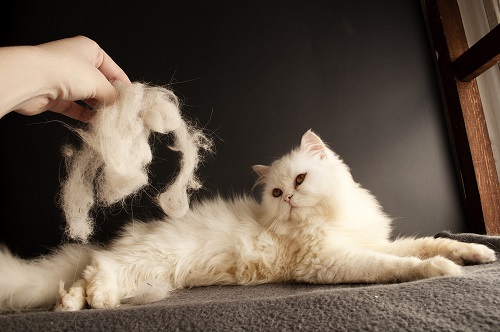
- Regular grooming: Brush your cat regularly to help with shedding and coat maintenance.
- Flea and tick prevention: Keep your cat on a regular flea and tick prevention schedule.
- Stress reduction: Minimize stress by providing a stable and enriching environment for your cat.
- Regular veterinary check-ups: Routine visits to the vet can help catch and manage health issues early.
By understanding the potential causes behind your cat’s weight loss and hair shedding, you can take proactive steps to address these issues and keep your feline companion healthy and happy.