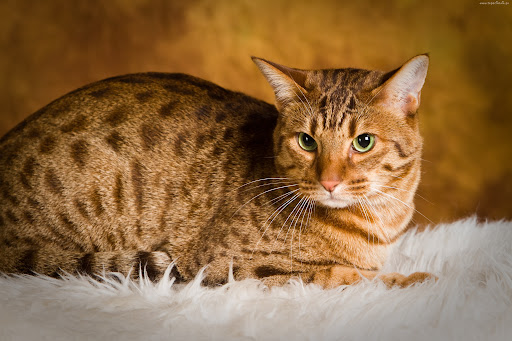
Introduction to the Fascinating Ocicat Cat Breed
Have you ever dreamed of owning an exotic wild cat but know it’s not practical? The
Ocicat cat breed might be the perfect solution. With their stunning spotted coats that resemble wild ocelots, these domestic felines offer the allure of a wild animal with the temperament of a household pet. Ocicats combine the striking appearance of their wild cousins with the gentle, affectionate personality of a domestic cat, making them increasingly popular among cat enthusiasts seeking something extraordinary.
The Ocicat is not actually related to any wild cat species, despite its exotic appearance. This unique spotted cat breed was created through selective breeding of domestic cats, resulting in a feline that looks wild but behaves like the perfect family companion. In this comprehensive guide, we’ll explore everything you need to know about this remarkable breed, from their distinctive physical characteristics to their playful personalities and specific care requirements.
The History and Origin of the Ocicat
A Serendipitous Beginning
The story of the Ocicat begins in 1964 in Michigan, where breeder Virginia Daly was working on creating a Siamese with Abyssinian coloring points. The breeding experiment involved crossing an Abyssinian cat with a seal point Siamese, which led to an unexpected result in the second generation of kittens.
Among this litter was a kitten named Tonga, who exhibited beautiful golden spots on an ivory background—a pattern no one had anticipated. This accidental beauty caught the attention of geneticist Dr. Clyde Keeler, who was interested in creating a domestic cat that resembled the extinct Egyptian Spotted Fishing Cat.
From Experiment to Established Breed
What started as a happy accident soon became an intentional breeding program. Virginia Daly continued her work, crossing American Shorthairs with the Abyssinian-Siamese mix to enhance the spotted pattern and build a robust body type. The breed was named “Ocicat” due to its resemblance to the ocelot, a wild spotted cat native to the Americas.
By 1987, both the Cat Fanciers’ Association (CFA) and The International Cat Association (TICA) had granted championship status to the Ocicat, solidifying its place in the cat fancy world. Today, the
Ocicat Breed Council continues to maintain breed standards and promote these captivating felines.
Physical Characteristics of the Ocicat
Distinctive Appearance
The most striking feature of the Ocicat is undoubtedly its spotted coat. These spots are arranged in a classic tabby pattern, creating a wild appearance that turns heads. Unlike some exotic-looking cats that require specialized breeding, Ocicats are completely domestic, with no wild blood in their lineage.

Size and Structure
Ocicats are medium to large cats with a solid, athletic build. They have a strong bone structure that supports well-developed muscles, giving them an appearance of strength and agility. Males typically weigh between 9-15 pounds, while females are slightly smaller at 6-9 pounds.
The breed’s body is rectangular but solid, with a deep chest and well-muscled shoulders and hindquarters. Their legs are of medium length, with the hind legs slightly longer than the front, which contributes to their distinctive gait.
Colors and Patterns
While all Ocicats share the same spotted pattern, they come in 12 different color combinations recognized by major cat associations:
- Tawny (brown spotted)
- Chocolate
- Cinnamon
- Blue
- Lavender
- Fawn
- Silver variations of all the above colors
Each color variation maintains the characteristic contrasting spots that make this breed so distinctive.
Ocicat Personality Traits and Temperament
Social and Affectionate Nature
Despite their wild appearance, Ocicats possess personalities that are anything but feral. These cats are known for their exceptional social nature and deep attachment to their human families. Ocicats form strong bonds with their owners and often follow them from room to room, eager to be involved in whatever activities are happening.
According to the
American Association of Feline Practitioners, cats with highly social traits like the Ocicat benefit from consistent interaction and engagement with their families.
Intelligence and Trainability
One of the most remarkable aspects of the Ocicat personality is their high intelligence. These cats are quick learners who can be taught various tricks and commands. Many Ocicat owners report success with teaching their cats to fetch, come when called, and even walk on a leash—behaviors more commonly associated with dogs than cats.
Their intelligence means they also require mental stimulation to prevent boredom. Puzzle toys, interactive games, and training sessions are all excellent ways to keep an Ocicat’s mind engaged.
Compatibility with Families
Ocicats are generally excellent family pets. They get along well with children who treat them respectfully and can adapt to households with other pets, including dogs. Their sociable nature means they don’t do well with prolonged solitude, making them ideal for homes where someone is present most of the day or where they have animal companions.
Comparison with Similar Cat Breeds
When considering an Ocicat, you might wonder how they compare to other spotted or active cat breeds. Here’s a helpful comparison:
| Characteristic |
Ocicat |
Bengal |
Egyptian Mau |
Abyssinian |
| Origin |
Domestic breeding program |
Asian Leopard Cat hybrid |
Natural breed from Egypt |
Ancient breed, likely from Southeast Asia |
| Wild Ancestry |
None (despite appearance) |
Yes (Asian Leopard Cat) |
No (natural breed) |
No (natural breed) |
| Coat Pattern |
Spots arranged in classic tabby pattern |
Spots, rosettes, marbling |
Spots (natural) |
Ticked tabby (no spots) |
| Temperament |
Social, active, dog-like |
Very active, athletic, vocal |
Active, loyal, more reserved |
Active, curious, independent |
| Size |
Medium to large (9-15 lbs) |
Medium to large (8-15 lbs) |
Medium (7-11 lbs) |
Small to medium (6-10 lbs) |
| Vocalization |
Moderate |
High |
Moderate |
Low to moderate |
| Energy Level |
High |
Very high |
High |
Very high |
| Good with Children |
Excellent |
Good (needs active play) |
Good (can be shy) |
Good (independent) |
This comparison highlights the unique combination of traits that make the Ocicat special: the wild look without wild blood, high sociability, and moderate vocalization compared to some similar breeds.
Health and Lifespan of the Ocicat Cat Breed
Expected Lifespan
With proper care, Ocicats typically enjoy a lifespan of 12-18 years, which is consistent with many domestic cat breeds. Some may even live into their early twenties with exceptional care and good genetics.
Common Health Concerns
While generally healthy, Ocicats may be predisposed to certain genetic health conditions:
- Hypertrophic Cardiomyopathy (HCM): This heart condition is characterized by thickening of the heart muscle and is one of the most common cardiac diseases in cats. Regular cardiac screening is recommended for breeding cats.
- Progressive Retinal Atrophy (PRA): A genetic condition that causes gradual deterioration of the retina, potentially leading to blindness. Responsible breeders test their cats for the gene associated with this condition.
- Renal Amyloidosis: A condition where protein deposits in the kidneys can lead to kidney failure. This is relatively rare but has been identified in the breed.
- Dental Issues: Like many domestic cats, Ocicats can develop dental problems if oral hygiene is neglected. Regular dental care is important for maintaining overall health.
The
Cornell University College of Veterinary Medicine recommends annual veterinary check-ups for all cats, with semi-annual visits for cats over 10 years of age to catch potential health issues early.
Caring for Your Ocicat: Essential Guidelines
Diet and Nutrition
Ocicats are active, muscular cats that require a high-quality diet to maintain their health and energy levels. A balanced diet rich in animal protein is essential for these athletic felines. Most veterinary nutritionists recommend:
- High-quality commercial cat food (wet, dry, or a combination)
- Appropriate portion control to prevent obesity
- Fresh water available at all times
- Limited treats (no more than 10% of daily caloric intake)
Consult with your veterinarian about the best feeding schedule and portions for your individual cat, as needs may vary based on age, activity level, and health status.
Grooming Requirements
One of the advantages of the Ocicat is its relatively low maintenance coat. Their short, sleek fur requires minimal grooming:
- Weekly brushing to remove loose hair and distribute skin oils
- Occasional baths as needed (though many Ocicats actually enjoy water)
- Regular nail trimming
- Routine dental care, including tooth brushing with cat-safe toothpaste

Exercise and Enrichment
Ocicats are active, intelligent cats that require both physical exercise and mental stimulation:
- Interactive Play: Daily play sessions with wand toys, laser pointers, or fetch games help burn energy
- Climbing Opportunities: Cat trees, shelves, or perches satisfy their natural climbing instincts
- Puzzle Feeders: Food puzzles and treat-dispensing toys engage their problem-solving abilities
- Training Sessions: Short, positive training sessions tap into their high intelligence
- Rotating Toys: Changing toys regularly keeps them interested and engaged
According to
The Ohio State University College of Veterinary Medicine, environmental enrichment is crucial for preventing behavior problems in intelligent, active cat breeds like the Ocicat.
Living with an Ocicat: What to Expect
Home Environment
Ocicats adapt well to various living situations, though they do best in environments where they have space to play and explore. They can thrive in:
- Houses with secure outdoor enclosures (catios)
- Apartments with plenty of vertical space and play opportunities
- Homes with multiple interactive toys and climbing structures
Their social nature means they generally prefer homes where they won’t be left alone for extended periods. If you work long hours, consider:
- Getting two cats for companionship
- Arranging for a midday visit from a pet sitter
- Providing enrichment toys that dispense treats or food throughout the day
Compatibility with Children and Other Pets
The sociable Ocicat typically gets along well with:
- Children who understand how to interact respectfully with cats
- Cat-friendly dogs (with proper introduction)
- Other cats, especially when introduced as kittens or raised together
Their playful, adaptable nature makes them excellent additions to multi-pet households when introductions are handled properly.
Finding and Adopting an Ocicat
Responsible Sources
If you’re interested in bringing an Ocicat into your home, consider these options:
- Reputable Breeders: Look for breeders who health test their cats, provide appropriate socialization, and prioritize health over appearance. The Cat Fanciers’ Association maintains a breeder directory.
- Breed-Specific Rescues: While less common, some rescue organizations specialize in specific breeds, including Ocicats.
- General Shelters: Occasionally, Ocicats or Ocicat mixes may end up in general animal shelters or rescue organizations.
Questions to Ask Breeders
When contacting a breeder, ask:
- What health tests do they perform on breeding cats?
- How are kittens socialized?
- What guarantees do they offer regarding health?
- Can you meet the kitten’s parents?
- What ongoing support do they provide to new owners?
Adoption Costs
The cost of adopting an Ocicat varies significantly:
- From Breeders: $800-$1,500 for pet quality kittens; show quality may cost more
- From Rescues: $100-$300 adoption fees
- Annual Care Costs: $500-$1,000 for food, litter, routine veterinary care
Preparing Your Home for an Ocicat
Before bringing your new Ocicat home, ensure you have:
- A secure environment with no escape routes
- Appropriate scratching surfaces (both horizontal and vertical)
- Elevated resting areas (cat trees, shelves)
- Interactive toys for mental stimulation
- Quality food and appropriate feeding stations
- Clean litter boxes (the general rule is one more box than the number of cats)
- A quiet area for adjustment during the first few days
Common Questions About the Ocicat Cat Breed
Are Ocicats Hypoallergenic?
No, Ocicats are not considered hypoallergenic. While individual reactions vary, they produce the same allergens as other cats. If allergies are a concern, spending time with the breed before adoption is recommended.
Do Ocicats Require Special Care?
Ocicats don’t require specialized care beyond what any active, intelligent cat would need. Their main requirements are:
- Regular interactive play
- Mental stimulation
- Social interaction
- Routine veterinary care
How Vocal Are Ocicats?
Ocicats are moderately vocal. They typically communicate with soft chirps and melodic meows rather than the persistent vocalizations of breeds like Siamese. They’ll “talk” to their owners but aren’t known for being excessively noisy.
Can Ocicats Be Kept as Indoor-Only Cats?
Yes, Ocicats can thrive as indoor-only cats provided they receive adequate exercise, enrichment, and attention. In fact, keeping them indoors protects them from risks like traffic, predators, diseases, and theft (given their distinctive appearance).
Conclusion: Is the Ocicat Right for You?
The Ocicat cat breed offers a unique combination of exotic beauty and domestic temperament, making them appealing to a wide range of cat lovers. Their striking spotted coats give them the look of a wild cat, while their friendly, outgoing personalities make them excellent companions.
These intelligent, active felines thrive in environments where they receive plenty of interaction, play, and mental stimulation. They’re ideal for families who can appreciate their energy and engage with their intelligence. However, they may not be the best match for those seeking a low-maintenance, independent pet that can be left alone for extended periods.
Before bringing an Ocicat into your home, honestly assess your lifestyle, time availability, and willingness to meet their social and activity needs. If you’re prepared to welcome a feline friend who combines the allure of the wild with the affection of a devoted companion, the Ocicat might be the perfect addition to your family.
What aspects of the Ocicat cat breed do you find most appealing? Would you consider adding one of these spotted beauties to your family? Share your thoughts in the comments below! Or read more in our blog.