



The Wandering Jew plant is well-known for its vibrant, trailing foliage, making it a popular choice among houseplant enthusiasts. Its stunning hues of green, purple, and silver can easily brighten up any indoor space. However, as beautiful as this plant is, pet owners, particularly those with cats, should be aware of its potential dangers. While the Wandering Jew plant is not considered highly toxic, it does pose certain risks that are important to understand. To ensure the safety of your feline friend, always check whether the Wandering Jew Plant Safe for Cats guidelines apply to your specific variety.
The primary issue with this plant lies in its sap, which can cause skin irritation and discomfort when touched or ingested by pets. Cats are particularly vulnerable since they often brush against plants or may chew on leaves out of curiosity. If your cat comes into contact with the sap, it may develop symptoms such as redness, itching, or even mild swelling around the mouth or on the skin. In more severe cases, gastrointestinal upset may occur if the plant is ingested, including symptoms like vomiting or diarrhea. For those concerned about whether their plant is truly a wandering jew plant safe for cats, it’s wise to monitor your pet for any signs of discomfort.
To minimize risks, it’s essential to place your Wandering Jew plant in a location that is out of your cat’s reach. Consider hanging planters or positioning the plant in a room your pet doesn’t frequent. Alternatively, you may opt for pet-friendly plants like spider plants, Boston ferns, or prayer plants, which are both attractive and safe for feline companions. For peace of mind, always verify that your chosen houseplants are on the list of wandering jew plant safe for cats to avoid potential hazards.
Taking precautions with your houseplants not only protects your pets but also brings you peace of mind. Always research any new plants before introducing them into your home to ensure they are safe for your furry friends. Checking whether the plant is labeled as a wandering jew plant safe for cats can help prevent potential health issues. Prioritizing your pet’s well-being while enjoying the beauty of indoor greenery is a responsible and rewarding approach. Remember, not all varieties of Wandering Jew are equally safe, so look specifically for a wandering jew plant safe for cats when shopping for houseplants.
The Wandering Jew Plant Safe for Cats, with its vibrant purple and green leaves, is a popular houseplant known for adding a touch of color and texture to indoor spaces. Its trailing vines and striking foliage make it an attractive addition to hanging baskets or pots. However, for cat owners, there’s an important question: is this plant safe for cats?
Unfortunately, the Wandering Jew Plant Safe for Cats can pose a risk to cats if ingested. The plant contains sap that may cause irritation to the skin, mouth, and digestive system of felines. Cats that chew on the plant may develop symptoms such as drooling, vomiting, or loss of appetite. In some cases, contact with the sap can also cause skin irritation, leading to redness, itching, or swelling. Although these symptoms are usually mild and not life-threatening, they can cause discomfort and distress for your pet.
If you suspect your cat has ingested or come into contact with the Wandering Jew Plant Safe for Cats, it’s important to monitor them closely. Rinse their mouth with water if possible and wipe any sap from their fur. If symptoms persist or worsen, it’s best to consult your veterinarian for advice and treatment.
To keep your cat safe, consider placing the Wandering Jew Plant Safe for Cats in areas that are out of reach or opting for non-toxic alternatives like spider plants or Boston ferns. Ensuring that your indoor plants are pet-friendly is essential for maintaining a safe and comfortable home environment for your furry friend. Remember, researching whether a Wandering Jew Plant Safe for Cats can help you make an informed decision when decorating your space.
What is the Wandering Jew Plant?
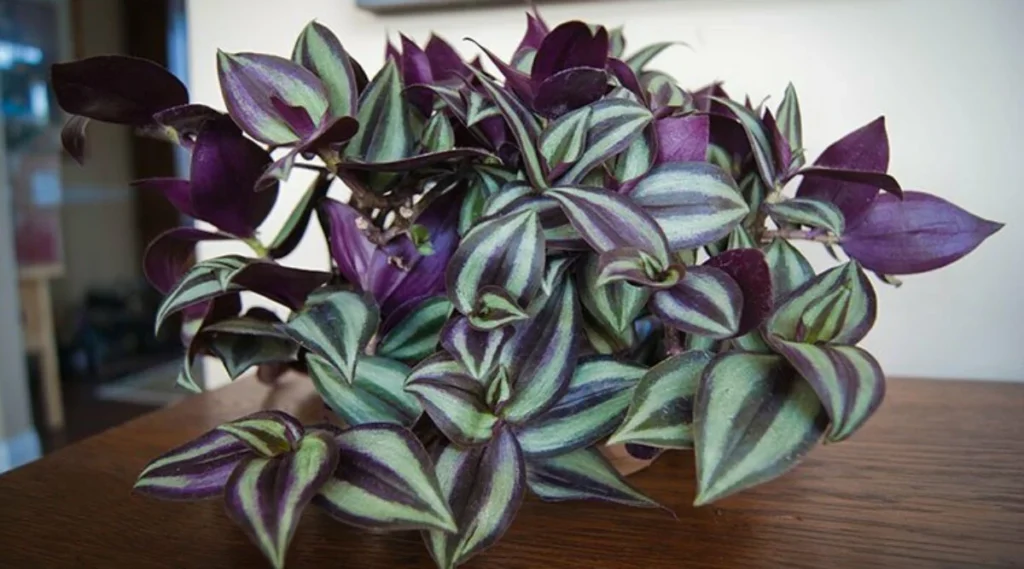
The term “Wandering Jew” actually refers to several species of plants in the Tradescantia genus, including Tradescantia zebrina and Tradescantia fluminensis. These plants are commonly grown indoors due to their striking colors and relatively low maintenance needs. They thrive in medium to bright light and can be grown in hanging baskets, making them popular among houseplant enthusiasts.
Are Wandering Jew Plants Toxic to Cats?
Yes, the Wandering Jew plant is considered toxic to cats. While it is not typically fatal, it can cause skin irritation and gastrointestinal issues if ingested. The plant contains sap that is known to be mildly toxic, and contact with or ingestion of this sap can lead to unpleasant symptoms for cats.
Symptoms of Wandering Jew Poisoning in Cats
If a cat comes into contact with or ingests parts of a Wandering Jew plant, it may experience the following symptoms:
- Skin Irritation: The sap can cause dermatitis or skin irritation, leading to redness, itching, or sores on a cat’s skin. Cats with sensitive skin are more likely to be affected.
- Oral Irritation: If the plant is chewed, it can cause irritation in the mouth and throat, leading to drooling, pawing at the mouth, and general discomfort.
- Gastrointestinal Issues: Eating parts of the plant may lead to nausea, vomiting, and diarrhea, which can cause dehydration if symptoms persist.
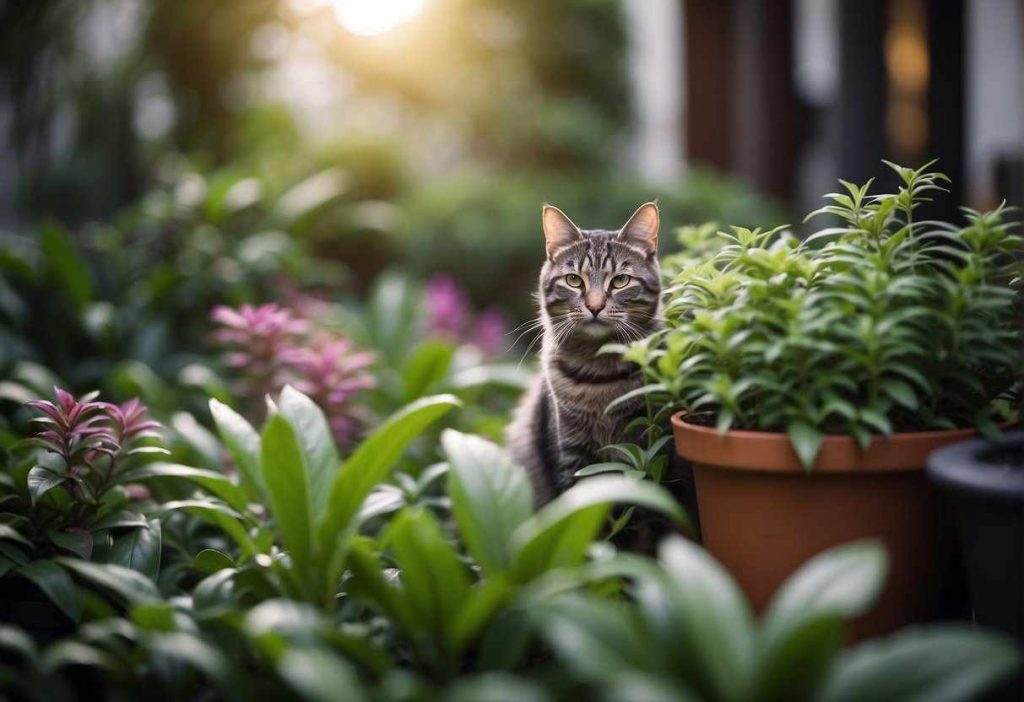
What to Do if Your Cat Eats a Wandering Jew Plant
If you suspect your cat has chewed or ingested a Wandering Jew plant, take the following steps:
- Observe for Symptoms: Keep an eye on your cat’s behavior. Look for symptoms like drooling, vomiting, or signs of skin irritation.
- Rinse the Mouth and Skin: If you notice any sap on your cat’s skin or mouth, rinse it off gently with cool water to prevent further irritation.
- Contact Your Vet: For persistent symptoms, contact your veterinarian. They can provide advice or administer treatment to alleviate discomfort and prevent complications.
Safer Alternatives for Cat-Friendly Homes
If you’re a cat owner who loves plants, there are plenty of safe alternatives that won’t pose a risk to your pet. Some non-toxic houseplants include:
- Spider Plants: These are easy to grow, and cats often love to play with their long, arching leaves.
- Boston Ferns: A lush, non-toxic option that adds a splash of green without the worry.
- Areca Palms: Known for their tropical look and cat-safe reputation.
The Wandering Jew plant is well-known for its vibrant, trailing foliage, making it a popular choice among houseplant enthusiasts. Its stunning hues of green, purple, and silver can easily brighten up any indoor space. However, as beautiful as this plant is, pet owners, particularly those with cats, should be aware of its potential dangers. While the Wandering Jew plant is not considered highly toxic, it does pose certain risks that are important to understand. To ensure the safety of your feline friend, always check whether the Wandering Jew Plant Safe for Cats guidelines apply to your specific variety.
The primary issue with this plant lies in its sap, which can cause skin irritation and discomfort when touched or ingested by pets. Cats are particularly vulnerable since they often brush against plants or may chew on leaves out of curiosity. If your cat comes into contact with the sap, it may develop symptoms such as redness, itching, or even mild swelling around the mouth or on the skin. In more severe cases, gastrointestinal upset may occur if the plant is ingested, including symptoms like vomiting or diarrhea. For those concerned about whether their plant is truly a wandering jew plant safe for cats, it’s wise to monitor your pet for any signs of discomfort.
To minimize risks, it’s essential to place your Wandering Jew plant in a location that is out of your cat’s reach. Consider hanging planters or positioning the plant in a room your pet doesn’t frequent. Alternatively, you may opt for pet-friendly plants like spider plants, Boston ferns, or prayer plants, which are both attractive and safe for feline companions. For peace of mind, always verify that your chosen houseplants are on the list of wandering jew plant safe for cats to avoid potential hazards.
Taking precautions with your houseplants not only protects your pets but also brings you peace of mind. Always research any new plants before introducing them into your home to ensure they are safe for your furry friends. Checking whether the plant is labeled as a wandering jew plant safe for cats can help prevent potential health issues. Prioritizing your pet’s well-being while enjoying the beauty of indoor greenery is a responsible and rewarding approach. Remember, not all varieties of Wandering Jew are equally safe, so look specifically for a wandering jew plant safe for cats when shopping for houseplants.