

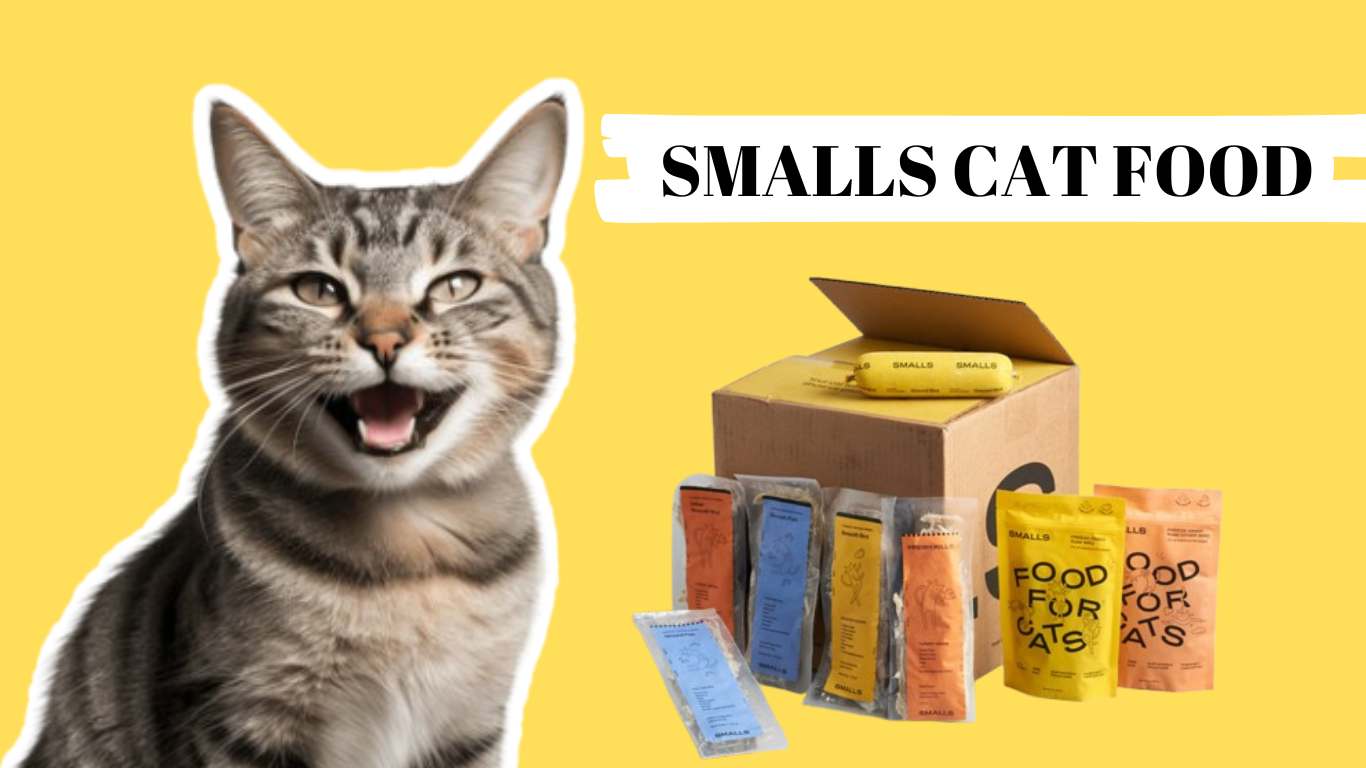

Smalls Cat Food is a top choice if you’re a pet parent who truly cares about what goes into your cat’s bowl. You’ve probably spent hours scanning labels, checking ingredients, and reading reviews to make the healthiest choice. That’s where Smalls Cat Food enters the conversation. This brand has been making waves in the pet food industry, offering fresh, human-grade meals tailored specifically for your feline’s dietary needs.
But is it really worth the hype? In this in-depth product review, we’ll explore everything you need to know about Smalls Cat Food—from its ingredient quality and nutritional value to flavor options, pricing, and even what real cat owners are saying.
What Is Smalls Cat Food?
Smalls Cat Food is a subscription-based cat food company that offers fresh, minimally processed meals delivered right to your door. Unlike many commercial cat food brands, Smalls prioritizes whole food ingredients, no artificial additives, and recipes based on real feline nutrition science. The meals are cooked in USDA-certified kitchens and portioned to meet your cat’s needs.

Ingredient Quality: What’s Inside Smalls Cat Food?
One of the biggest selling points of Smalls is its high-quality ingredients. The company uses human-grade meats like chicken, turkey, beef, and fish, paired with vegetables like green beans, kale, and peas. Unlike most canned or dry cat foods, Smalls avoids fillers like corn, wheat, and soy.
Here’s a quick ingredient breakdown of one of their popular meals:
Fresh Chicken Recipe
-
Chicken thigh & breast (high-protein base)
-
Chicken liver (natural source of vitamin A)
-
Green beans (fiber and antioxidants)
-
Kale (vitamins K, C, and calcium)
-
Supplement mix (including taurine, essential for feline health)
What you won’t find: artificial preservatives, flavors, or meat by-products.
Pro Tip: Taurine is an essential amino acid cats can’t synthesize on their own. Smalls makes sure it’s included in every recipe.
Nutritional Value: Is Smalls Cat Food Balanced?
Cats are obligate carnivores, meaning they require animal-based proteins to thrive. Smalls Cat Food reflects this by formulating their recipes with high protein content and moisture-rich meals, which mimic what cats would eat in the wild.
Nutritional highlights:
-
Crude protein content: Up to 54% (depending on recipe)
-
Moisture: Helps prevent dehydration and supports urinary tract health
-
Low carbs: Ideal for maintaining a healthy weight
-
Omega-3 and Omega-6: Promotes shiny coats and healthy skin
Smalls also offers freeze-dried raw food options for those looking to mimic a raw diet with added convenience.
Flavor & Texture Options
Cats can be picky eaters, but Smalls provides a variety of flavors and textures to suit your feline’s preferences.
Protein options:
-
Chicken
-
Turkey
-
Beef
-
Fish (available in freeze-dried form)
Texture choices:
-
Smooth: For younger cats or seniors who prefer pate-style meals
-
Ground: For cats who enjoy a chunkier, meatier texture
-
Freeze-dried raw: Lightweight, nutrient-dense, and great as a topper or full meal
Many pet parents report that even their fussy eaters warm up to Smalls over time.
Subscription & Delivery
Smalls operates on a subscription model. After filling out a brief quiz about your cat (age, weight, dietary preferences, etc.), you receive a personalized meal plan delivered straight to your home.
Perks include:
-
Flexible deliveries (every 2, 4, or 8 weeks)
-
Easy subscription management
-
Option to pause, skip, or cancel at any time
First-time customers usually get a trial box to see which flavors their cats like best before committing.
Price Point: Is Smalls Worth It?
Smalls Cat Food falls into the premium pet food category. Depending on the meal type and portion size, prices range from $2 to $4 per day, per cat. While that’s more expensive than kibble, you’re paying for:
-
Human-grade ingredients
-
Fresh preparation
-
Nutrient-dense meals
For many pet parents, the health benefits and peace of mind are well worth the cost.
Real Reviews: What Cat Owners Are Saying
Let’s take a look at what real users think about Smalls Cat Food:
“My cat’s coat has never been shinier, and her energy is through the roof since switching to Smalls!” – Jess R., California
“I was skeptical at first, but my senior cat who’s a picky eater absolutely devours the turkey recipe. Worth every penny.” – Mike B., New York
“I love knowing exactly what’s going into my cat’s body. It’s like meal-prepping for your pet!” – Lianne M., Florida
Some common concerns:
-
Some cats may take time to adjust to the new texture or taste.
-
It can be pricey for multi-cat households.
-
Requires freezer/fridge space.
Safety, Storage & Transition Tips
-
Smalls meals are shipped frozen and should be stored in the freezer, then thawed in the fridge before serving.
-
Keep opened packs refrigerated and use within 5–7 days.
-
Transition your cat slowly by mixing Smalls with their current food over 7–10 days.
Should You Try Smalls Cat Food?
Yes—if you want to invest in your cat’s long-term health and well-being. Smalls Cat Food offers premium, vet-formulated meals with real ingredients and zero junk. While the price point is higher than typical kibble or canned food, the nutritional benefits, fresh taste, and customizable options make it a top-tier choice for health-conscious pet parents.
Whether your cat is a picky eater, has food sensitivities, or you simply want to upgrade their diet, Smalls delivers on both quality and care.
People Also Ask
Q: Is Smalls Cat Food good for all ages?
Yes! Smalls offers tailored portion plans for kittens, adult cats, and seniors.
Q: Can I mix Smalls with dry food?
Yes, though it’s recommended to transition to Smalls as a full diet for maximum benefits.
Q: Is Smalls AAFCO-compliant?
Absolutely. All recipes meet AAFCO guidelines for complete and balanced feline nutrition.