

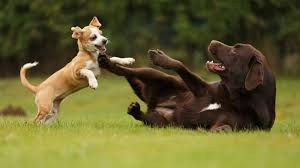

Introducing a puppy to an older dog can be a delicate process. Whether you’re bringing home a new puppy or adopting an older dog into a household that already has a senior canine, the introduction requires patience, strategy, and care. Dogs, like people, have personalities, and while some older dogs are excited by the presence of a new pup, others may feel threatened or territorial.
With proper introductions, your puppy meets older dog encounter can go smoothly, leading to a peaceful, harmonious relationship between the two. In this step-by-step guide, we’ll walk you through five essential steps to make the transition as easy as possible.

1. Prepare Your Home and Environment
Before you introduce your puppy to your older dog, it’s essential to make sure your home is set up for a successful interaction. Dogs are territorial creatures, and bringing a new dog into their environment can cause stress and anxiety if not done properly.
Tips for Preparing:
-
Separate Spaces: Set up a safe space for your older dog to retreat to. This could be their bed, crate, or favorite spot in the house. Ensure your puppy has their own space too. You don’t want the older dog to feel like they’re being crowded.
-
Use Baby Gates: Keep both dogs separated by a baby gate or similar barrier during the first introduction. This way, they can see each other but not have direct access until they’re comfortable.
-
Have Supplies Ready: Have separate food, water bowls, toys, and sleeping arrangements for both dogs. Competition for resources can lead to stress, so make sure each dog has their own things.
By preparing both the physical space and your older dog’s mental space, you’re already starting the introduction process on the right foot.
2. Introduce Them on Neutral Ground
The first introduction should never happen inside the older dog’s territory. Doing so can trigger protective behaviors or territorial aggression. Instead, choose a neutral location where neither dog has established dominance.
Tips for Neutral Ground Introductions:
-
Walk Them Together: Take both dogs for a walk together on neutral ground (e.g., a park or a quiet street). This gives both dogs the opportunity to meet each other while staying focused on something they enjoy—walking!
-
Keep It Leashed: Always have both dogs on a leash during the initial introduction, even in neutral territory. This gives you control over the situation and allows you to prevent any sudden outbursts.
-
Stay Calm: Dogs pick up on human emotions, so keep your own body language calm and positive. Speak in a soothing, confident voice to help both dogs feel more comfortable.
The idea is to allow them to meet while keeping them at a comfortable distance. If the older dog seems overwhelmed or agitated, give them space and try again later.
3. Supervised and Gradual Indoor Introduction
Once the initial introduction goes smoothly, it’s time to bring both dogs into the home. However, this step should still be supervised and gradual. Allow your older dog to explore the new addition to their environment while keeping the puppy on a leash.
Tips for Indoor Introductions:
-
Leash the Puppy: Even if your older dog is calm, keep the puppy on a leash during the first few indoor introductions. This allows you to guide their movements and prevent them from getting too excited or jumping on the older dog.
-
Short and Positive Sessions: Keep initial indoor sessions short. Let the dogs interact for just 5-10 minutes at first and gradually increase the time as they become more comfortable with each other.
-
Observe Body Language: Watch both dogs closely for signs of stress. Your older dog may show signs like raised hackles, growling, or stiff body posture if they feel threatened. The puppy might show submissive behavior like rolling over or tucking its tail.
If the older dog becomes stressed or exhibits signs of aggression, calmly separate the dogs and give them a break. Let them settle before trying again.
4. Monitor and Reinforce Positive Behavior
Once both dogs have spent time together indoors, you need to monitor their behavior closely and reinforce positive interactions. This is especially important for puppies, who may be overly excitable and unintentionally annoy the older dog.
Tips for Positive Reinforcement:
-
Reward Calm Behavior: When your older dog stays calm and relaxed around the puppy, reward them with praise and treats. This will reinforce the idea that positive behavior leads to good things.
-
Redirect Puppy Behavior: If the puppy starts getting too excited or dominant, gently redirect their attention with a toy or a command. This will help them understand the boundaries in your household.
-
Time Apart: Allow both dogs time to be apart, especially after play sessions. Too much interaction can lead to exhaustion or overstimulation, which might result in negative behaviors.
Be patient—successful integration is a gradual process, and you want both dogs to feel safe and respected in their new dynamic.
5. Build a Lasting Relationship
The introduction process doesn’t end after the first few meetings. In fact, it’s only the beginning. Building a lasting, positive relationship between your puppy and older dog requires consistent effort and ongoing reinforcement.
Tips for Building a Strong Relationship:
-
Quality Time Together: As the dogs begin to bond, spend time with them together. Allow them to play, train, and relax around each other.
-
Respect Their Space: Both dogs need their own space and downtime. Respect your older dog’s need for peace and avoid overwhelming them with constant puppy energy.
-
Continue Training: Make sure to continue training both dogs throughout the process. The puppy will benefit from learning good behaviors, while the older dog may need some training to adjust to having a new companion.
Over time, both dogs will settle into their roles and develop a natural relationship. The older dog may even take on a mentoring role, teaching the puppy important lessons in socialization.
Introducing a puppy to an older dog takes patience, understanding, and consistency. By following these five steps—preparing your home, introducing on neutral ground, supervising indoors, reinforcing positive behavior, and building a lasting relationship—you’ll help both dogs adjust to their new life together. The goal is to create a peaceful household where both dogs feel loved, respected, and secure in their roles.
People Also Ask
Q: How long does it take for a puppy and an older dog to get along?
A: It can take anywhere from a few days to a few weeks, depending on the dogs’ personalities and how well the introductions are managed.
Q: Can an older dog get jealous of a new puppy?
A: Yes, jealousy can occur, especially if the older dog feels like they’re being replaced. Be sure to give the older dog plenty of one-on-one attention.
Q: What should I do if my older dog growls at the puppy?
A: Growling is a sign of discomfort or boundary-setting. Separate them calmly and try the introduction again after a break. If the growling persists, seek professional help.