

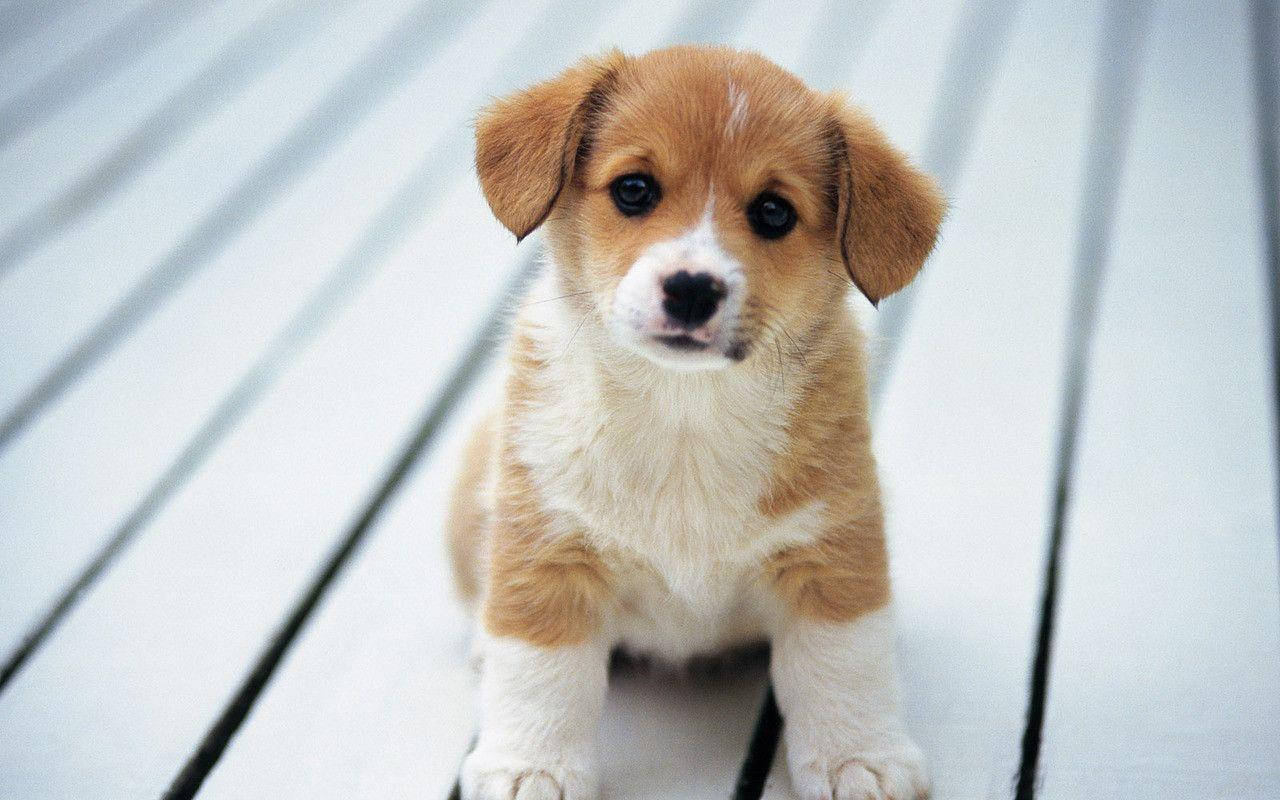

Bringing a new puppy into your home is an exciting and rewarding experience, but it can also be overwhelming—especially when it comes to puppy training. From potty training to teaching basic commands, the first two months of your puppy’s life are crucial for laying the foundation for good behavior. Having the right tools and understanding the essential steps will make the process smoother and more enjoyable for both you and your new furry friend.
In this guide, we’ll walk you through the puppy training essentials you’ll need for the first two months, covering everything from the right gear to effective training tips.
1. Puppy Training Gear You’ll Need
The first step in any successful training program is having the proper tools. Here are the puppy training essentials to set you up for success:
A Comfortable Crate
A crate is essential for both house training and providing a safe, quiet space for your puppy to retreat to. It helps establish boundaries and gives your puppy a den-like environment, making it easier to manage their behavior.
Choosing the Right Crate:
-
Size: Your puppy should be able to stand up, turn around, and lie down comfortably in the crate.
-
Material: Plastic or wire crates are both good options. Plastic crates are more enclosed, while wire crates provide more ventilation.
Collar, Leash, and Harness
Whether you’re potty training, taking your puppy for walks, or just getting them used to a collar, these tools are essential.
-
Collar: Choose a soft, adjustable collar that fits snugly around your puppy’s neck.
-
Leash: A lightweight, six-foot leash is best for guiding your puppy and teaching them good leash manners.
-
Harness: If your puppy has a tendency to pull, a harness is a safer and more comfortable alternative to a collar.
Training Pads or Litter Box
Potty training is one of the first challenges you’ll face. Depending on your living situation, you may want to use training pads or a puppy litter box indoors until they are fully house trained.
-
Training Pads: Choose high-absorbency pads with attractant scent to guide your puppy to the right spot.
-
Puppy Litter Box: For those living in apartments or with limited access to a yard, a litter box designed for puppies can help with indoor potty training.
Toys for Mental Stimulation
Puppies need plenty of physical and mental stimulation to stay engaged and prevent bad habits from forming. Interactive toys like puzzle feeders or treat-dispensing balls are great for keeping your puppy entertained and mentally challenged.
-
Chew Toys: Teething puppies need durable chew toys to relieve their discomfort. Look for safe, non-toxic options.
-
Interactive Toys: Toys that engage your puppy’s brain are essential for mental stimulation. Look for puzzle toys, tug ropes, and balls that challenge your puppy to think and problem-solve.
2. Establishing a Routine
The first two months are key to building a consistent routine that your puppy can rely on. Dogs thrive on predictability, so keeping a regular schedule will help them understand what’s expected of them.
Potty Training
Housebreaking is one of the first things you’ll need to tackle. Start by setting a consistent schedule for bathroom breaks:
-
Morning and Night: Take your puppy outside immediately after waking up and just before bedtime.
-
After Meals: Take your puppy out 15-30 minutes after eating, as they are more likely to need to go.
-
Frequent Breaks: Puppies have small bladders, so it’s important to take them outside every 1-2 hours during the day.
Positive Reinforcement: Praise and treat your puppy immediately after they go potty outside to reinforce the behavior.
Training Sessions
Short, frequent training sessions are ideal for puppies in their first two months. Aim for 5-10 minutes, two to three times a day. This keeps your puppy engaged without overwhelming them.
Start with basic commands like:
-
Sit
-
Stay
-
Come
-
Down
Tip: Always use positive reinforcement such as treats, praise, and affection when your puppy performs the desired behavior.
3. Socialization
Socializing your puppy early on is essential for their development. During the first two months, introduce your puppy to new experiences, people, and other animals to build their confidence and prevent behavioral issues in the future.
Meeting New People
Allow your puppy to meet friends and family members of all ages. Be sure to supervise these interactions, ensuring that everyone is gentle and respectful of the puppy’s space.
Exposure to Other Dogs
Socializing with other dogs is important for helping your puppy learn proper dog etiquette. Take your puppy to puppy classes or arrange playdates with other puppies.
New Environments and Experiences
Introduce your puppy to different environments like parks, busy streets, and pet-friendly stores. This helps them adapt to new situations and reduces anxiety later in life.
4. Training Techniques
Effective training during the first two months is all about consistency, patience, and positive reinforcement. Here are some key techniques to help your puppy succeed:
Positive Reinforcement
Positive reinforcement is the cornerstone of puppy training. Reward your puppy with treats, praise, and toys when they exhibit the desired behavior. This encourages them to repeat those actions.
Redirection
Puppies often explore the world with their mouths, so redirecting unwanted chewing to appropriate toys is essential. If your puppy starts chewing on furniture or shoes, calmly take the item away and replace it with a toy.
Avoid Punishment
Avoid harsh punishment, as it can lead to fear and anxiety. Instead, focus on rewarding good behavior and redirecting undesirable actions.
5. Health and Nutrition
During the first two months, your puppy’s health and nutrition are critical for their development. Providing the right food and regular veterinary care will set them up for a lifetime of health.
Veterinary Care
Schedule your puppy’s first vet visit as soon as you bring them home. Your vet will ensure that your puppy is up to date on vaccinations, deworming, and flea/tick treatments. Regular checkups are important during the first two months to monitor your puppy’s growth and development.
Nutrition
Puppies need high-quality food that’s specifically formulated for their age. Look for puppy food that contains the right balance of protein, fats, and essential vitamins. Make sure to follow the feeding guidelines on the packaging to avoid overfeeding or underfeeding.
6. Essential Gear Checklist:
-
Crate
-
Leash & Collar/Harness
-
Puppy Pads or Litter Box
-
Training Treats
-
Interactive Toys
-
Chew Toys
-
Grooming Tools (brush, nail clippers, etc.)
-
Puppy Food & Water Bowls
-
Veterinary Records
The first two months with your puppy are critical for building a strong foundation of good behavior, trust, and a deep bond. With the right puppy training essentials, consistent routines, and a focus on socialization and positive reinforcement, you’ll set your puppy up for a lifetime of happiness and well-being.
Remember, training takes time, so be patient and enjoy the journey with your new puppy. If you stay consistent and provide the proper care, you’ll be amazed at how quickly your puppy learns and grows into a well-behaved, happy dog!