

Cats bring joy, companionship, and plenty of adorable moments into our lives. However, along with all the love, cat shedding is a reality that every cat owner faces. Whether you’re a clean freak, suffer from allergies, or simply want to maintain a tidy home, understanding cat shedding—and which breeds shed more or less—is key before adopting a feline friend.
In this comprehensive guide, we’ll cover the most and least shedding cat breeds, explore why cats shed, how to manage shedding with effective grooming, and when to be concerned about excessive fur loss. This knowledge will help you make an informed decision about the right cat for your household.
Why Do Cats Shed?
Before diving into breed specifics, it’s important to understand why cats shed at all. Shedding is a natural and essential process where cats lose old, damaged, or dead hair to make way for new growth. This cycle keeps their coat healthy and helps regulate their body temperature.
Several factors influence how much a cat sheds, including:
-
Breed and coat type: Long-haired breeds shed more visibly than short-haired cats. Cats with thick double coats typically shed heavier during seasonal changes.
-
Environment: Indoor cats exposed to consistent temperatures often shed less seasonally compared to outdoor cats facing variable weather.
-
Health: Poor nutrition, parasites, skin infections, allergies, and stress can all increase shedding.
-
Age: Older cats may shed more as their metabolism changes.
Shedding typically increases in spring and fall when cats “blow” their coats, but it can vary widely among individual cats.
High-Shedding Cat Breeds
If you’re open to regular grooming and cleaning, several breeds offer charming personalities and stunning looks but come with a heavy shedding coat.
1. Maine Coon

Maine Coons are one of the largest domesticated cat breeds, famous for their thick, water-resistant double coats. Their dense fur is beautiful but prone to heavy seasonal shedding and matting if not brushed daily. Because they shed year-round, expect plenty of fur on your furniture, clothes, and floors.
2. Persian

Persians are prized for their long, luxurious coats, but that beauty comes with grooming challenges. Their fur sheds constantly and tangles easily, requiring daily brushing and frequent baths to avoid mats. Shedding can be particularly heavy during seasonal changes.
3. Ragdoll

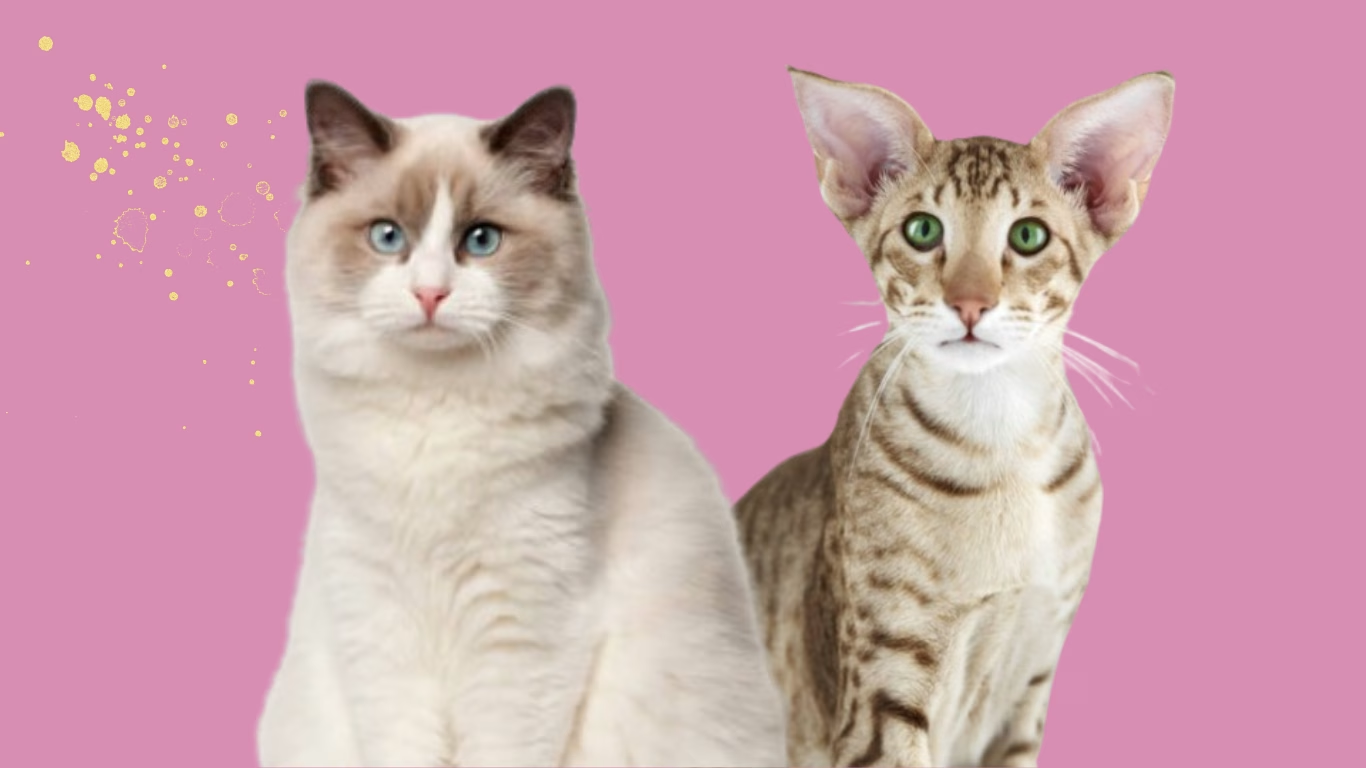
Ragdolls have semi-long, silky fur without a dense undercoat, but they still shed more than many expect. Their fur is soft and fine, which means loose hairs tend to stick to clothing and furniture easily. Regular grooming is essential.
4. Siberian

Siberian cats have a thick triple coat adapted to harsh climates. They shed heavily in spring when their winter undercoat blows off, and moderate shedding happens year-round. Grooming a Siberian requires patience and frequent brushing.
5. Norwegian Forest Cat

This breed features a dense double coat, perfect for cold Nordic climates. Like the Siberian, Norwegian Forest Cats shed heavily during spring and fall. Their waterproof fur means you’ll need to manage shedding often to prevent mats.
6. Himalayan

Himalayans are a cross between Persians and Siamese cats. They inherit the Persian’s long, heavy coat, which sheds constantly and needs daily grooming. Without proper care, their fur can quickly become matted and cause skin issues.
7. American Shorthair

Though short-haired, American Shorthairs shed more consistently throughout the year than you might expect. Weekly brushing helps keep shedding manageable, but regular vacuuming is still necessary for a hair-free home.
Low-Shedding Cat Breeds
If minimizing fur on your furniture and clothes is a priority, several breeds shed very little and are often preferred by allergy sufferers.
1. Sphynx

This iconic hairless breed technically doesn’t shed fur, but don’t be fooled—they do produce oils that require regular skin care. Their lack of fur means almost zero shedding, but they do need regular baths to remove skin oils.
2. Russian Blue

The Russian Blue has a short, dense double coat that sheds minimally compared to many other breeds. They’re also known to produce less of the Fel d 1 allergen, which may reduce allergic reactions in sensitive people.
3. Bengal

Bengals sport a sleek, short coat that sheds little and requires minimal grooming. Their fur lies flat against their body and is less likely to become loose or tangled.
4. Siamese

Siamese cats have short, fine coats that shed minimally. Their grooming needs are low, making them great for people who want a clean home with a little less fuss.
5. Cornish Rex

The Cornish Rex’s unique single layer of soft fur means very light shedding. Their coat doesn’t have an undercoat, so the amount of loose hair is minimal. Weekly grooming keeps their fur healthy.
6. Balinese

Often called the “long-haired Siamese,” Balinese cats have silky coats that shed less than expected for a long-haired breed. They also produce lower levels of the Fel d 1 allergen, making them popular among allergy-sensitive cat owners.
7. Oriental Shorthair

With a fine, short coat, Oriental Shorthairs are minimal shedders. Their grooming needs are low, requiring only occasional brushing to remove loose hairs.
Hypoallergenic Cat Breeds and Shedding
The term “hypoallergenic” when it comes to cats means breeds that produce fewer allergens, not necessarily those that shed less fur. Fel d 1 is the main allergen in cat saliva and skin, which sticks to fur and dander. Some breeds, such as the Russian Blue, Balinese, and Siamese, produce less Fel d 1, making them more tolerable for allergy sufferers.
However, shedding still occurs to some degree in these breeds, so hypoallergenic does not mean no shedding. It’s always best to spend time around a breed before adopting if allergies are a concern.
How to Manage Cat Shedding: Grooming Tips
Even low-shedding cats benefit from regular grooming to keep their coat healthy and reduce loose hair around your home. Here’s how to manage shedding effectively:
Regular Brushing
-
Long-haired cats need daily brushing to prevent mats and remove loose fur.
-
Short-haired cats benefit from weekly brushing to remove dead hairs.
-
Use breed-appropriate brushes: slicker brushes and undercoat rakes for long-haired breeds; rubber grooming gloves and fine bristle brushes for short-haired breeds.
Bathing
-
Occasional baths can help reduce shedding and dander, but only bathe cats that tolerate water.
-
Use gentle cat-specific shampoos.
Diet and Hydration
-
A balanced diet rich in omega-3 and omega-6 fatty acids supports a healthy coat.
-
Ensure your cat drinks plenty of water to keep skin hydrated.
Environment
-
Keeping your home clean with regular vacuuming and air filtration helps remove loose fur and allergens.
-
Maintaining a stress-free environment also reduces overgrooming.
Vet Visits
-
Regular veterinary checkups can detect skin conditions, allergies, or parasites that cause excessive shedding.
When to Be Concerned About Shedding
While shedding is normal, watch for these warning signs:
-
Sudden, excessive fur loss or bald patches
-
Signs of itching, redness, or skin irritation
-
Clumps of fur missing or breaking off
-
Changes in appetite, behavior, or grooming habits
These could signal allergies, infections, hormonal imbalances, or other health problems requiring veterinary care.
Understanding cat shedding is vital when deciding which cat breed fits best with your lifestyle and preferences. Long-haired breeds like Persians and Maine Coons bring beauty but require daily grooming to manage their heavy shedding. Conversely, low-shedding breeds such as the Sphynx, Russian Blue, and Balinese offer a cleaner home environment and may be better for allergy sufferers.
Ultimately, no cat is completely shed-free, but with proper care and grooming, you can keep fur under control while enjoying the companionship of your furry friend.
If you’re considering adopting a cat, take time to research shedding patterns and grooming needs for your preferred breed. This helps ensure you and your new feline companion will have a happy, healthy relationship for years to come.