


Introduction to the Puppy Cut: A Timeless Dog Grooming Style
The puppy cut is more than just a trending dog grooming style—it’s a timeless approach to keeping your canine companion looking adorable while ensuring their comfort and health. This versatile haircut, characterized by a uniform short length all over the body, has become increasingly popular among dog owners seeking a low-maintenance yet stylish option for their furry friends. Whether your dog is actually a puppy or a senior pet, this universally flattering cut offers numerous benefits that extend beyond mere aesthetics.
In this comprehensive guide, we’ll explore everything you need to know about the puppy cut—from its fascinating origins in show dog circles to practical maintenance tips from professional groomers. We’ll also discuss which breeds benefit most from this style and how to communicate effectively with your groomer to achieve the perfect puppy cut for your dog’s specific needs.
The History and Origins of the Puppy Cut
From Show Rings to Family Homes
The puppy cut has a rich history that many dog owners might find surprising. Despite its widespread popularity today, this grooming style originated in the competitive world of dog shows, specifically for Poodles. Professional handlers needed a practical yet presentable way to maintain the coats of young Poodles who weren’t yet ready for the elaborate continental or English saddle cuts seen in adult show dogs.
Originally, the puppy cut was exactly what it sounds like—a style specifically for puppies. Show Poodles under 12 months old were often presented in what was called a “puppy clip,” featuring hair of even length (typically 1-2 inches) all over the body. This style highlighted the puppy’s structure and movement while being significantly easier to maintain than adult show cuts.
Evolution into Mainstream Pet Grooming
Over time, the practical benefits of this uniform cut became apparent to regular pet owners. By the 1980s and 1990s, professional groomers began offering simplified versions of show clips to everyday dog owners looking for manageable yet attractive options for their pets. The term “puppy cut” gradually expanded beyond Poodles to encompass a similar style for many different breeds.
Today, the puppy cut has evolved into a catch-all term for a short, even cut that maintains the same length (typically between 1-2 inches) all over the dog’s body, with slightly longer hair on the face and ears according to owner preference. Its popularity stems from the perfect balance it strikes between adorable appearance and practical maintenance.
Which Dogs Benefit Most from a Puppy Cut?
Ideal Breeds for the Puppy Cut
While many dogs can sport a puppy cut, certain breeds are particularly well-suited to this grooming style. The puppy cut works best for dogs with hair that grows continuously (rather than fur that sheds seasonally).
Breeds that excel with puppy cuts include:
- Poodles (all sizes)
- Bichon Frises
- Shih Tzus
- Maltese
- Yorkshire Terriers
- Havanese
- Cocker Spaniels
- Portuguese Water Dogs
- Lhasa Apsos
- Cavalier King Charles Spaniels
Breed Compatibility Chart
| Breed Type | Puppy Cut Suitability | Benefits | Considerations |
|---|---|---|---|
| Poodles & Doodles | Excellent | Reduces matting, highlights curls, easy maintenance | May need more frequent trims (every 6-8 weeks) |
| Small Companion Breeds (Shih Tzu, Maltese, etc.) | Excellent | Prevents eye irritation, reduces grooming time, improves comfort | Face may need special attention for tear stains |
| Spaniels | Good | Prevents ear infections, reduces burrs and debris collection | Ears may need special trimming techniques |
| Double-Coated Breeds (Huskies, Golden Retrievers) | Not Recommended | N/A | Can damage undercoat, interfere with natural insulation and temperature regulation |
| Short-Haired Breeds (Beagles, Boxers) | Unnecessary | N/A | These breeds don’t require haircuts for maintenance |
When to Consider Alternative Styles
Not every dog is an ideal candidate for the puppy cut. The American Kennel Club advises against giving puppy cuts to double-coated breeds like Siberian Huskies, Golden Retrievers, and German Shepherds. These breeds have a protective undercoat that serves important functions for insulation and temperature regulation. Cutting these coats short can interfere with their natural cooling and heating systems and may cause the coat to grow back improperly.
The Perfect Puppy Cut: Length and Style Variations
Standard Puppy Cut
The classic puppy cut maintains an even length of approximately 1-2 inches across the entire body, with the face, ears, and tail sometimes left slightly longer for aesthetic purposes. This standardized approach works well for most dogs and provides a clean, neat appearance while being relatively easy to maintain.
Modified Puppy Cut Variations
While the traditional approach keeps things simple, many groomers offer customized variations of the puppy cut to suit different breeds and owner preferences:
-
Teddy Bear Cut: A variation of the puppy cut that leaves the face more rounded and plush, creating an adorable teddy bear appearance. Particularly popular for Bichon Frises, Shih Tzus, and Poodle mixes.
-
Lamb Cut: Slightly longer on the legs than the body, creating a silhouette reminiscent of a lamb. This variation adds dimension while maintaining the practical benefits of the puppy cut.
-
Summer Cut: An ultra-short version (usually 1/2 to 3/4 inch) designed to keep dogs cool during hot weather. Perfect for active dogs who spend a lot of time outdoors.

Benefits of the Puppy Cut: Why It’s So Popular
Practical Advantages
The puppy cut has earned its widespread popularity for good reasons. According to a survey by the National Dog Groomers Association, over 60% of professional groomers report the puppy cut as one of their most frequently requested styles. Here’s why:
-
Easy Maintenance: The uniform length significantly reduces daily brushing time and makes at-home maintenance more manageable.
-
Matting Prevention: Shorter hair is less prone to tangling and matting, reducing discomfort for your dog and the need for painful dematting sessions.
-
Better Hygiene: A shorter coat collects less dirt, debris, and outdoor allergens, contributing to better overall skin health.
-
Heat Relief: During warmer months, a puppy cut helps dogs stay cooler by reducing excess hair while still providing sun protection.
-
Earlier Detection of Skin Issues: With less hair covering the skin, owners can more easily spot potential health concerns like ticks, rashes, or lumps.
Aesthetic Benefits
Beyond the practical advantages, many dog owners choose the puppy cut simply because:
- It maintains a perpetually youthful, puppy-like appearance
- It accentuates facial features and expressions
- It creates a neat, uniform look that’s universally appealing
- It works well for dogs of all ages and life stages
Puppy Cut Grooming Maintenance: Tips for Success
At-Home Care Between Professional Grooms
To keep your dog’s puppy cut looking its best between professional grooming appointments, follow these expert-recommended practices:
Brushing Routine
- Frequency: Brush at least 2-3 times weekly (daily for curly-coated breeds)
- Tools: Use a slicker brush followed by a metal comb to catch any tangles
- Technique: Always brush in the direction of hair growth and be especially attentive to areas prone to matting (behind ears, armpits, groin, and tail)
Bathing Guidelines
- Frequency: Every 2-4 weeks, depending on activity level and coat type
- Products: Use a high-quality dog shampoo appropriate for your dog’s skin type
- Process: Thoroughly rinse all product out to prevent skin irritation
- Post-Bath: Completely dry your dog to prevent fungal growth in the coat
Professional Maintenance Schedule
For most dogs with a puppy cut, veterinary dermatologists and professional groomers recommend:
- Standard Schedule: Professional grooming every 6-8 weeks
- Active/Outdoor Dogs: May need more frequent trims (every 4-6 weeks)
- Seasonal Adjustments: Slightly longer in winter, shorter in summer
First-Time Puppy Cut: When to Start and What to Expect
The Right Age for a First Groom
According to recommendations from veterinary professionals, puppies should generally:
- Be fully vaccinated before their first professional grooming (typically by 16 weeks)
- Have positive introduction experiences to grooming tools at home first
- Start with brief, positive grooming sessions around 12-14 weeks of age
Preparing Your Dog for Success
Before scheduling your dog’s first puppy cut appointment:
-
Handling Practice: Regularly touch your dog’s feet, face, ears, and tail to accustom them to being handled
-
Tool Introduction: Let your dog see and hear grooming tools before using them gently
-
Positive Associations: Pair grooming-related activities with treats and praise
-
Short Sessions: Begin with brief grooming periods, gradually increasing duration
What to Expect at the First Appointment
A professional groomer will typically:
-
Conduct an assessment: Evaluate coat condition, check for any skin issues
-
Discuss goals: Confirm the exact style and length you want
-
Take it slow: For puppies, the first session may just be a bath and light trim
-
Provide education: Offer recommendations for at-home maintenance

DIY or Professional: Making the Right Choice
When to Attempt DIY Puppy Cuts
While professional grooming is recommended for most dogs, some pet parents successfully maintain puppy cuts at home. Consider DIY grooming if:
- Your dog is extremely comfortable with handling and grooming tools
- You have appropriate equipment (quality clippers with guard combs, sharp scissors)
- You’ve researched proper techniques and safety precautions
- Your dog has a relatively straightforward coat type
Essential Tools for Home Grooming
If you decide to maintain your dog’s puppy cut at home, invest in:
- Quality Clippers: Professional-grade with multiple guard combs
- Scissors: Straight and curved shears for detail work
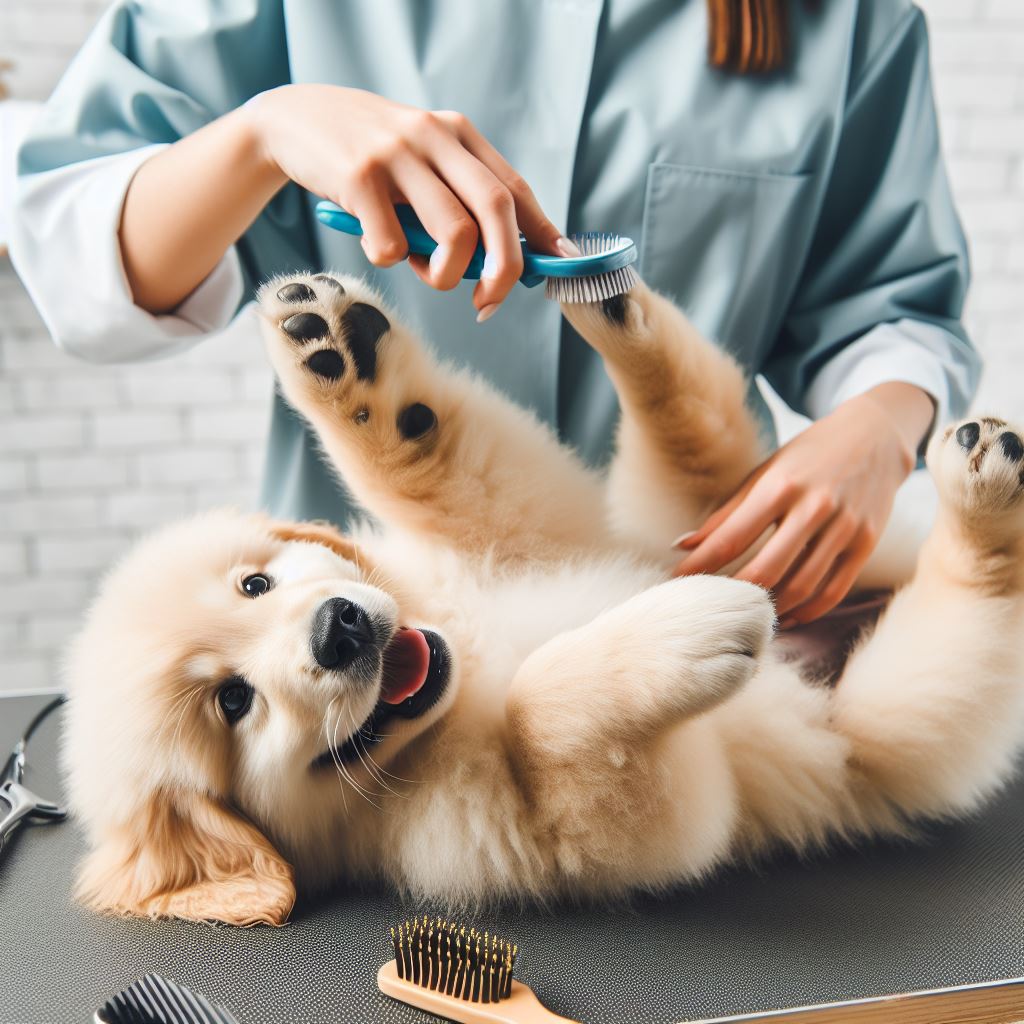
- Slicker Brush and Metal Comb: For pre-clipping preparation
- Grooming Table or Non-Slip Surface: For safety and stability
- Nail Clippers and Styptic Powder: For nail maintenance
When to See a Professional
According to safety guidelines from the Professional Pet Groomers & Stylists Alliance, certain situations always warrant professional help:
- Your dog has a difficult temperament around grooming tools
- You notice skin conditions or abnormalities
- Your dog’s coat has developed significant mats or tangles
- Sensitive areas need attention (face, sanitary regions, ear canals)
- You’re unsure about proper clipper techniques or blade lengths
Common Puppy Cut Mistakes to Avoid
Communication Failures
One of the most common issues with puppy cuts stems from miscommunication. To avoid disappointment:
- Bring reference photos to your grooming appointment
- Discuss specific length preferences using numerical measurements (e.g., 1 inch vs. 1/2 inch)
- Be clear about any areas you want left longer or trimmed shorter
- Ask questions if you don’t understand grooming terminology
Technical Missteps
Whether you’re DIY grooming or evaluating professional work, watch out for:
-
Going Too Short: Cutting too close to the skin can lead to irritation or sunburn
-
Uneven Results: Inconsistent length throughout the body
-
Poor Blending: Obvious transitions between differently trimmed areas
-
Neglecting Sensitive Areas: Forgetting to address hygiene areas properly
-
Rushing the Process: Leading to stress for both dog and groomer
Seasonal Considerations for Puppy Cuts
Summer Adjustments
During warmer months, consider:
- Shorter Length: A 1/2 to 3/4 inch cut helps with cooling
- Increased Sun Protection: Apply dog-safe sunscreen to exposed skin, especially for light-colored dogs
- More Frequent Trims: Accelerated summer growth may require more maintenance
Winter Modifications
For colder seasons:
- Longer Length: Maintain 1-2 inches of coat for insulation
- Protective Clothing: Consider dog sweaters for very short cuts
- Indoor Comfort: Remember that indoor heating can dry skin, so maintain proper hydration
Special Considerations for Senior Dogs
As dogs age, their grooming needs change. For senior dogs with puppy cuts:
- Gentler Approach: Older dogs may have more sensitive skin and joint pain
- Adjusted Schedule: More frequent but shorter grooming sessions may be better tolerated
- Medical Awareness: Pay special attention to any lumps, bumps, or skin changes that should be evaluated by a veterinarian
Featured Snippet: Puppy Cut FAQ
What exactly is a puppy cut?
A puppy cut is a grooming style where the dog’s hair is cut to a uniform short length (typically 1-2 inches) all over the body, creating a neat, low-maintenance appearance that resembles a puppy’s coat. Despite its name, this versatile style is appropriate for dogs of all ages and many different breeds, particularly those with continuously growing hair rather than shedding fur.
Conclusion: Is the Puppy Cut Right for Your Dog?
The puppy cut stands as one of the most versatile, practical, and universally flattering grooming styles available for dogs. Its combination of adorable aesthetics and practical benefits makes it an excellent choice for many pet owners, especially those with busy lifestyles or dogs who enjoy active outdoor adventures.
When deciding if this style is right for your canine companion, consider your dog’s breed, coat type, lifestyle, and your own maintenance capabilities. Remember that proper communication with your groomer and consistent at-home care between appointments are key factors in achieving and maintaining the perfect puppy cut.
Whether you’re considering your puppy’s first groom or looking to switch up your adult dog’s style, the puppy cut offers a timeless option that prioritizes both appearance and comfort. With proper execution and maintenance, it can keep your furry friend looking youthful and feeling their best year-round.
What’s your experience with puppy cuts? Have you found certain techniques or tools that make maintenance easier? Share your tips and questions in the comments below!