

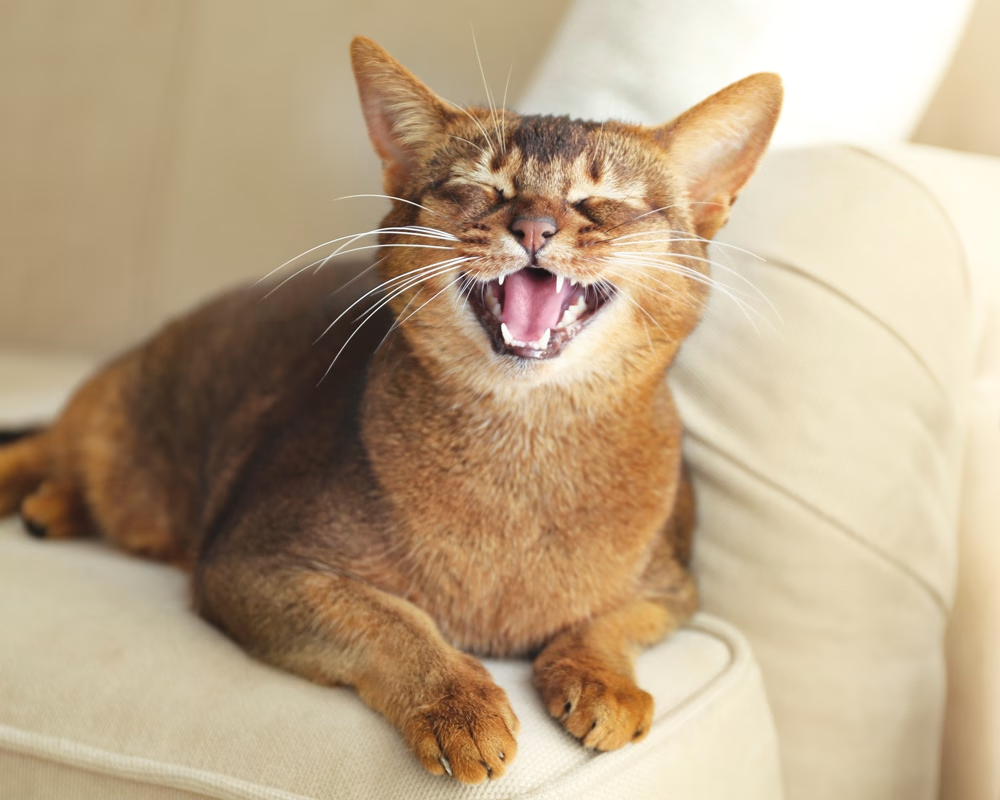

Cats may be mysterious creatures, but one thing every pet parent wants is a happy indoor cat. Unlike their outdoor counterparts, indoor cats rely on us to create a space that’s stimulating, secure, and full of love. But how can you really tell if your feline friend is truly content behind closed doors?
Whether you’re a new cat owner or just curious about your kitty’s mood, this guide will help you spot the telltale signs of a happy indoor cat—and how to keep that purring going strong.

1. Relaxed Body Language
A cat’s body speaks volumes—even when they’re silent. If your indoor cat is happy, you’ll notice:
-
Loose, stretched-out posture when lounging or sleeping
-
Upright, forward-facing ears when alert but calm
-
Slow blinking as a sign of trust and affection
-
A gently swaying tail or a tail curled around your leg affectionately
-
Whiskers in a neutral or forward position, showing interest but not stress
Tense muscles, flattened ears, or a tucked tail can be signs of discomfort or fear. A truly happy indoor cat will often look like they’re melting into their bed, windowsill, or your lap.
2. Playfulness and Curiosity
One of the best signs of a happy indoor cat is playful behavior. Even adult or senior cats should show moments of curiosity and a desire to interact with their environment.
Look for:
-
Chasing toys or pouncing on shadows
-
Batting at dangling strings, feathers, or wand toys
-
Exploring new boxes, bags, or spaces in the house
-
Playing “ambush” by hiding and leaping at you (in fun!)
If your cat has a strong prey drive, interactive play sessions simulate hunting and keep them mentally stimulated—especially important for indoor cats who don’t have wildlife to chase.
3. Healthy Grooming Habits
Cats are known for their cleanliness, and a happy indoor cat will keep their coat neat and glossy through regular grooming.
Signs include:
-
Self-grooming several times a day
-
Helping other pets in the house groom (a bonding behavior)
-
A well-maintained coat without mats or bald patches
Excessive grooming or complete lack of grooming, on the other hand, can signal stress, illness, or depression. A consistent grooming routine is a great indicator of emotional well-being.
4. A Good Appetite
A happy cat has a healthy interest in food. They’ll often come running when they hear a can opening or the treat bag rustling.
What to watch for:
-
Eating meals consistently
-
Showing excitement or anticipation during feeding times
-
Enjoying treats or interactive food puzzles
If your cat is overeating or refusing food, it could be due to stress or health issues. Pay attention to their feeding patterns—consistency and moderate enthusiasm are key signs of a happy indoor cat.
5. Regular Sleeping Habits
Cats sleep a lot—on average, 12 to 16 hours per day. A content cat will have regular nap routines and sleep in safe, relaxed positions.
Happy sleeping behavior includes:
-
Snoozing belly-up or in a loose loaf shape
-
Napping in open spaces, not just hiding spots
-
Purring softly as they drift off to sleep
While it’s normal for cats to sleep a lot, changes in sleeping habits (sleeping too much or hiding constantly) can indicate boredom, anxiety, or illness.
6. Purring, Chirping, and Trilling
Cats communicate with a wide range of sounds beyond meows—and some of these are signs of joy.
Common happy sounds:
-
Purring: A classic sign of comfort, relaxation, and contentment
-
Chirping or trilling: Often used to greet you or express excitement
-
Gentle meows: Friendly vocalizations (not urgent or distressed)
Not all cats are vocal, but if yours is, tune in to their unique “happy sounds.” A cat that talks to you casually is often a cat that feels secure and bonded.
7. Kneading or “Making Biscuits”
That rhythmic paw-pushing motion on blankets or your lap? It’s called kneading, and it’s a leftover behavior from kittenhood when they kneaded their mother to stimulate milk flow.
Cats often knead when they’re:
-
Feeling secure and loved
-
Relaxed and ready to nap
-
Associating you or the surface with comfort
If your cat is kneading regularly, especially in your presence, that’s a clear sign they trust you and feel at home.
8. Using the Litter Box Properly
It might not be the cutest topic, but litter box behavior says a lot about your cat’s happiness.
A happy indoor cat will:
-
Use the litter box consistently
-
Cover their waste thoroughly
-
Show no signs of distress around the box
Accidents outside the box, frequent urination, or changes in elimination habits can signal stress, illness, or discomfort with the litter environment. Consistent litter box use is a subtle yet powerful indicator of emotional wellness.
9. Seeking Affection and Social Time
Even the most independent cats often seek attention when they’re truly happy.
Look for:
-
Rubbing against your legs
-
Following you from room to room
-
Curling up next to you or on your chest
-
Gently head-butting you (called bunting—an affectionate gesture)
These signs show that your indoor cat not only feels safe but also enjoys your company—a major win for cat parents!
10. Confidence in Their Territory
A happy indoor cat will feel secure and confident in their environment. You’ll see them confidently walking around, stretching, jumping on high perches, and exploring freely.
Happy territorial behaviors:
-
Climbing cat trees or lounging on window ledges
-
Rubbing scent glands on furniture (or you)
-
Sitting by the window, tail flicking in excitement
If your cat is hiding constantly or seems overly jumpy, it may be a sign of fear, anxiety, or lack of stimulation.
A happy indoor cat is one that feels safe, loved, mentally stimulated, and physically comfortable. While every feline is unique, the signs above are strong indicators that your cat is thriving in their environment.
Remember, happiness doesn’t require endless toys or a huge house—just a safe space, positive interaction, and an understanding of what makes your cat tick.
Key Takeaways
-
Look for relaxed body language, grooming, playful behavior, and healthy eating habits
-
Vocalization, affection-seeking, and kneading are signs of contentment
-
Monitor litter box use and sleeping routines for emotional wellness
-
A confident, curious cat is usually a happy one