

The dog world is full of fascinating breeds, but few are as mysterious and unique as the Carolina Dog. Often referred to as the “American Dingo,” this rare breed has wild roots, an independent spirit, and a deep connection to the land it has roamed for centuries.
In this rare breed guide, you’ll discover the origins, characteristics, behavior, and care of the Carolina Dog. Whether you’re a dog enthusiast or considering this breed as your next companion, prepare to be surprised by the rich history and distinct traits of this truly special canine.

The Origins of the Carolina Dog: A Living Relic
Ancient History
Unlike many modern breeds that were developed through selective breeding, the Carolina Dog is believed to be a naturally occurring landrace breed. Its ancestors likely came to North America thousands of years ago with early human migrations across the Bering Land Bridge.
For centuries, these dogs lived independently in the wild—especially in the swamps and forests of the southeastern United States—primarily in South Carolina, Georgia, and Alabama. Because they evolved with minimal human interference, Carolina Dogs retain many primitive behaviors that set them apart from more domesticated breeds.
Rediscovery in the 1970s
Though they had lived quietly in the wild for years, Carolina Dogs were officially “discovered” in the 1970s by Dr. I. Lehr Brisbin, a researcher from the University of Georgia. He noticed that these free-ranging dogs had a consistent appearance and behavioral traits. His studies concluded that they were a distinct, ancient breed—not just feral mutts.
Today, the Carolina Dog is recognized in the American Kennel Club’s Foundation Stock Service, an initial step toward full recognition.
Physical Characteristics
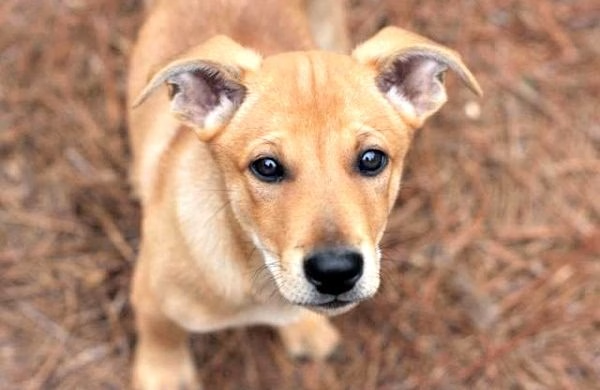
At first glance, the Carolina Dog may resemble other breeds, but closer inspection reveals distinct features that hint at its wild heritage.
-
Size: Medium (30–55 lbs for adults)
-
Height: 17–24 inches at the shoulder
-
Coat: Short to medium length, dense, and weather-resistant
-
Color: Typically ginger, but also fawn, black-and-tan, or with white markings
-
Tail: Sickle-shaped or curled, often carried high
-
Ears: Upright and pointed
-
Eyes: Almond-shaped, expressive, often amber or brown
Their lean, muscular build and agile movement make them excellent runners, ideal for outdoor adventures and athletic play.
Unique Behavior and Temperament
One of the most fascinating aspects of the Carolina Dog is its behavior, which blends wild instincts with domesticated tendencies.
Shy but Loyal
Carolina Dogs tend to be reserved around strangers, often appearing shy or cautious. However, they form strong bonds with their families and are loyal, affectionate, and protective.
Independent Thinkers
This breed is not known for blind obedience. Carolina Dogs are highly intelligent but also independent. Training requires patience, consistency, and positive reinforcement.
Naturally Clean
A surprising trait: Carolina Dogs are known for being self-cleaning and low-odor. Like cats, they will often groom themselves and maintain a tidy sleeping area.
Pack Mentality
When properly socialized, they do well with other dogs, especially if raised in a multi-dog home. However, due to their natural prey drive, caution is needed around small pets like cats, rabbits, or birds.
Is a Carolina Dog Right for You?
Owning a Carolina Dog is rewarding, but not for everyone. They are best suited to experienced dog owners who can appreciate their primitive instincts and provide proper structure and stimulation.
Ideal Homes:
-
Active individuals or families
-
Homes with a fenced yard (they are known diggers!)
-
Owners who enjoy hiking, running, and outdoor adventures
-
People willing to commit to early training and socialization
Less Ideal Homes:
-
Apartment living (unless exercise needs are met daily)
-
First-time dog owners
-
Homes with small, free-roaming pets
Care and Training
Diet & Nutrition
Carolina Dogs thrive on a balanced, high-protein diet. Some owners opt for grain-free or raw food options to mirror their ancestral eating habits. Always consult your vet for the best plan based on your dog’s age, weight, and activity level.
Exercise Needs
Daily exercise is non-negotiable. These dogs need at least 60–90 minutes of physical activity to stay mentally and physically healthy. Activities can include:
-
Long walks or jogs
-
Off-leash time in secure areas
-
Agility training or fetch
-
Puzzle toys and scent games for brain stimulation
Grooming
Fortunately, the Carolina Dog has low grooming needs:
-
Brush once or twice a week to remove loose fur
-
Bathe only when necessary (they’re naturally clean)
-
Regular nail trimming, ear cleaning, and dental care
Health and Lifespan
Because Carolina Dogs evolved naturally without overbreeding, they tend to be genetically healthy. However, like any breed, some health issues can still occur.
Common Health Concerns:
-
Hip dysplasia (moderate risk)
-
Ear infections (if ears are not cleaned regularly)
-
Allergies (especially food or seasonal)
Lifespan:
Most Carolina Dogs live between 12 to 15 years, often remaining active and healthy well into their senior years.
Shocking Facts About the Carolina Dog
-
They dig their own dens in the yard—a throwback to their wild ancestry.
-
Their DNA is more similar to ancient Asian and Australian dog breeds than to most modern domestic dogs.
-
Carolina Dogs were used in Native American villages as companions and hunting partners.
-
Many owners report unusual intelligence and awareness, especially in new or unfamiliar environments.
-
Despite their rarity, some Carolina Dogs can still be found living wild in parts of the U.S. Southeast.
Finding a Carolina Dog
Looking to welcome one into your home? Here’s where to start:
-
Reputable breeders: Look for those registered with AKC Foundation Stock Service or National Carolina Dog Association.
-
Rescue organizations: Some groups specialize in rare or primitive breeds.
-
Shelters: Occasionally, Carolina Dogs are mistaken for mutts—check descriptions for breed characteristics.
Before adopting, do your research. These dogs require thoughtful integration into your household.
The Carolina Dog is a rare, living piece of American history—combining ancient instincts, loyalty, and intelligence in one athletic and graceful package. While not for every household, this breed is a fantastic match for those who value nature, structure, and the deep companionship of a dog with wild roots.
If you’re up for the challenge and ready to bond with a breed that once roamed freely through America’s wild lands, the Carolina Dog just might become your most rewarding companion yet.