
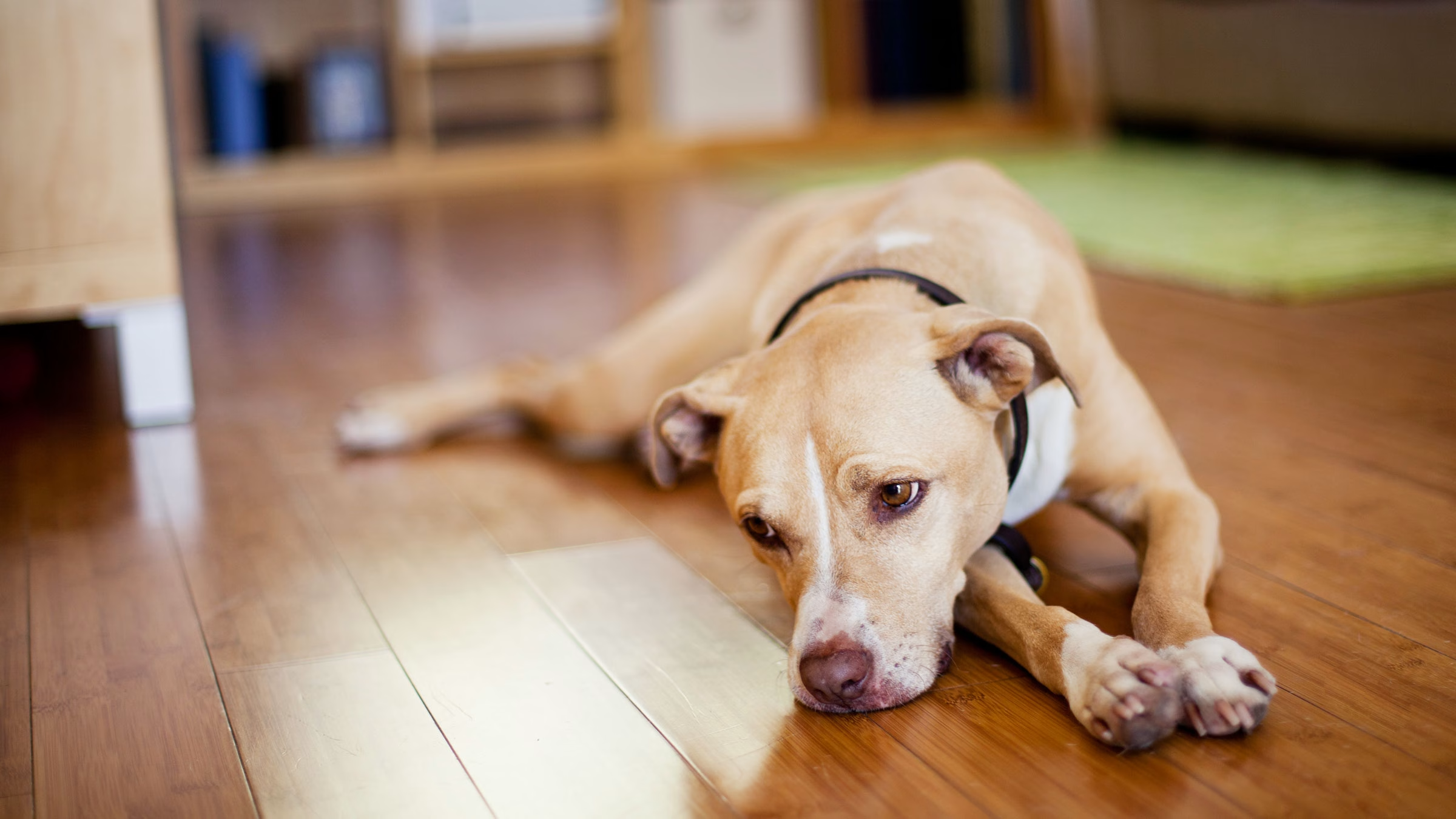

Just like humans, dogs can suffer from joint problems as they age. One of the most common conditions affecting our furry companions is dog osteoarthritis—a chronic, progressive disease that leads to pain, stiffness, and reduced mobility. According to veterinary studies, at least 20% of dogs over the age of one are affected by osteoarthritis, with the percentage rising sharply in senior dogs.
If your pup is slowing down, struggling to climb stairs, or no longer enjoys walks as much as before, osteoarthritis might be the culprit. But don’t worry—while there’s no cure, there are many ways you can help manage the condition so your dog can continue to live a happy, active, and pain-free life.
In this guide, we’ll cover what dog osteoarthritis is, its causes, signs to look out for, and practical tips for treatment, lifestyle adjustments, and preventative care.
What Is Dog Osteoarthritis?
Osteoarthritis, also known as degenerative joint disease (DJD), is the gradual breakdown of cartilage in a dog’s joints. Cartilage acts as a cushion, preventing bones from rubbing against each other. When it wears down, the bones make direct contact, leading to pain, inflammation, and decreased flexibility.
While it commonly affects hips, knees, elbows, and shoulders, osteoarthritis can impact any joint in the body. Unlike temporary injuries, osteoarthritis is a progressive condition, meaning it worsens over time if left untreated.
Causes and Risk Factors
Several factors can contribute to the development of dog osteoarthritis:
-
Age – Senior dogs are most at risk due to natural wear and tear.
-
Breed – Large breeds like German Shepherds, Labrador Retrievers, Golden Retrievers, and Rottweilers are particularly prone.
-
Genetics – Some dogs inherit structural issues that predispose them to joint problems.
-
Injuries – Previous fractures, ligament tears, or dislocations may lead to arthritis later in life.
-
Obesity – Carrying excess weight puts additional stress on joints, accelerating cartilage damage.
-
Overuse or High Activity – Dogs involved in intense physical activities may wear down their joints faster.
Symptoms of Dog Osteoarthritis
Osteoarthritis develops gradually, and many owners mistake early signs for “just aging.” Watch out for these common symptoms:
-
Limping or favoring one leg
-
Stiffness, especially after resting
-
Reluctance to climb stairs, jump, or get into the car
-
Decreased interest in walks or play
-
Difficulty rising from a lying position
-
Yelping or signs of pain when touched
-
Behavioral changes (irritability, withdrawal)
If you notice any of these signs, schedule a vet visit. Early intervention makes a big difference in slowing the progression.
Diagnosing Dog Osteoarthritis
A veterinarian will typically:
-
Conduct a physical exam to check mobility and pain response.
-
Take X-rays to assess joint damage.
-
Run additional tests (like bloodwork) to rule out other conditions.
Diagnosis is the first step toward creating a personalized care plan for your pup.
Treatment Options for Dog Osteoarthritis
While there’s no cure, treatment focuses on pain management, mobility support, and slowing progression. Here are the main approaches:
1. Medications
-
Nonsteroidal Anti-Inflammatory Drugs (NSAIDs): Reduce pain and inflammation. Commonly prescribed but should be monitored for side effects.
-
Joint Supplements: Glucosamine, chondroitin, MSM, and omega-3 fatty acids may help support cartilage health.
-
Pain Relievers: In severe cases, stronger pain medications may be prescribed.
2. Physical Therapy
Canine rehabilitation programs often include hydrotherapy, massage, and controlled exercises to strengthen muscles without stressing the joints.
3. Weight Management
Maintaining a healthy weight is the single most effective way to ease pressure on arthritic joints. A proper diet and controlled portions are essential.
4. Alternative Therapies
-
Acupuncture: Helps reduce inflammation and pain.
-
Laser Therapy: Stimulates healing and improves circulation.
-
Stem Cell Therapy: A newer option that may regenerate cartilage in some dogs.
5. Surgery (for Severe Cases)
Procedures like joint replacement or corrective surgery may be considered if arthritis severely impacts your dog’s quality of life.
Lifestyle Adjustments to Support Your Dog
Beyond medical treatment, small changes at home can dramatically improve your dog’s comfort:
-
Provide Orthopedic Beds: Extra cushioning supports joints and improves sleep quality.
-
Use Ramps or Pet Stairs: Help your pup access cars, couches, or beds without jumping.
-
Keep Nails Trimmed: Long nails affect posture and increase strain on joints.
-
Non-Slip Flooring: Rugs or mats prevent slipping on hardwood or tile.
-
Gentle Exercise: Regular, low-impact walks keep muscles strong and joints flexible. Swimming is especially beneficial.
-
Warmth and Comfort: Cold weather worsens stiffness, so keep your dog warm during cooler months.
Nutrition and Supplements
Diet plays a crucial role in managing dog osteoarthritis. Look for:
-
Omega-3 fatty acids (from fish oil or flaxseed oil) – reduce inflammation.
-
Glucosamine & Chondroitin – promote cartilage repair and protect joints.
-
High-quality protein – maintains muscle mass to support mobility.
-
Weight-control formulas – keep your dog lean and reduce joint stress.
Ask your vet before adding supplements to ensure proper dosage and safety.
Preventing Osteoarthritis in Dogs
While you can’t always prevent osteoarthritis, especially if your dog is genetically predisposed, you can lower the risk by:
-
Keeping your dog at a healthy weight.
-
Providing regular, balanced exercise (avoid sudden bursts of intense activity).
-
Feeding a nutrient-rich diet with joint-supporting supplements.
-
Scheduling routine vet check-ups to catch early warning signs.
Living with a Dog with Osteoarthritis
Caring for a dog with osteoarthritis requires patience and consistency. The key is quality of life—helping your pup remain mobile, comfortable, and happy.
Celebrate the small victories: a tail wag, a short walk enjoyed, or a playful moment. Dogs don’t dwell on what they can’t do; they live in the moment. By providing the right care, you’ll ensure your furry companion enjoys many more moments by your side.
Final Thoughts
Dog osteoarthritis may be a lifelong condition, but it doesn’t have to mean the end of an active, joyful life. With early detection, veterinary support, the right diet, and lifestyle adjustments, you can keep your dog comfortable and moving well into their senior years.
What truly matters is consistency and compassion. Small, steady changes—like adding joint supplements, keeping your pup at a healthy weight, providing low-impact exercise, and making their home environment more pet-friendly and accessible—can add up to a big difference in your dog’s daily comfort. Even something as simple as a soft pet bed, a warm blanket, or a gentle massage can go a long way in soothing sore joints.
It’s also important to remember that osteoarthritis management is not one-size-fits-all. Each dog may respond differently to treatments, so working closely with your veterinarian is the best way to tailor a plan that fits your dog’s unique needs. Regular check-ups, ongoing monitoring, and open communication with your vet ensure that your furry friend gets the best possible care at every stage.
Most importantly, never underestimate the power of your love and companionship. Dogs with osteoarthritis may move more slowly, but they still crave playtime, mental stimulation, and time spent with their favorite human—you. With patience and the right approach, you can make sure those golden years are filled with comfort, activity, and plenty of wagging tails.