
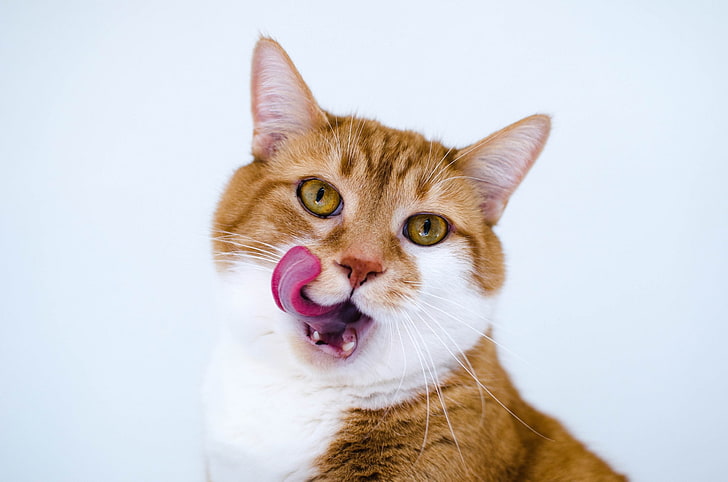

Is your feline friend constantly licking everything in sight? From furniture to themselves and even you, excessive licking can be concerning. Understanding why cat licks occur is crucial for distinguishing between normal grooming behavior and potential health issues. In this comprehensive guide, we’ll explore the root causes of cat licking behavior and provide practical solutions to help your furry companion.
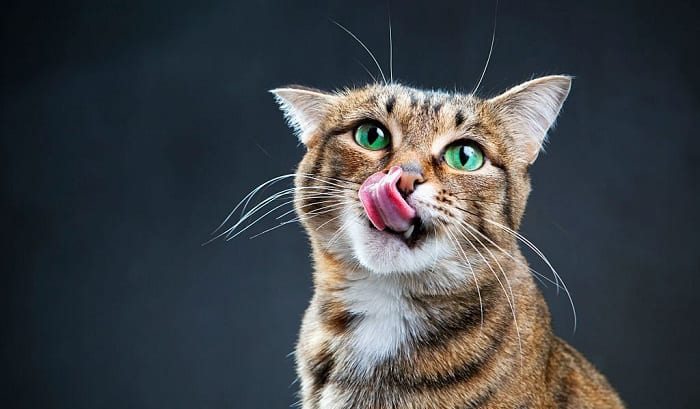
Why Cat Licks Are More Than Just Grooming
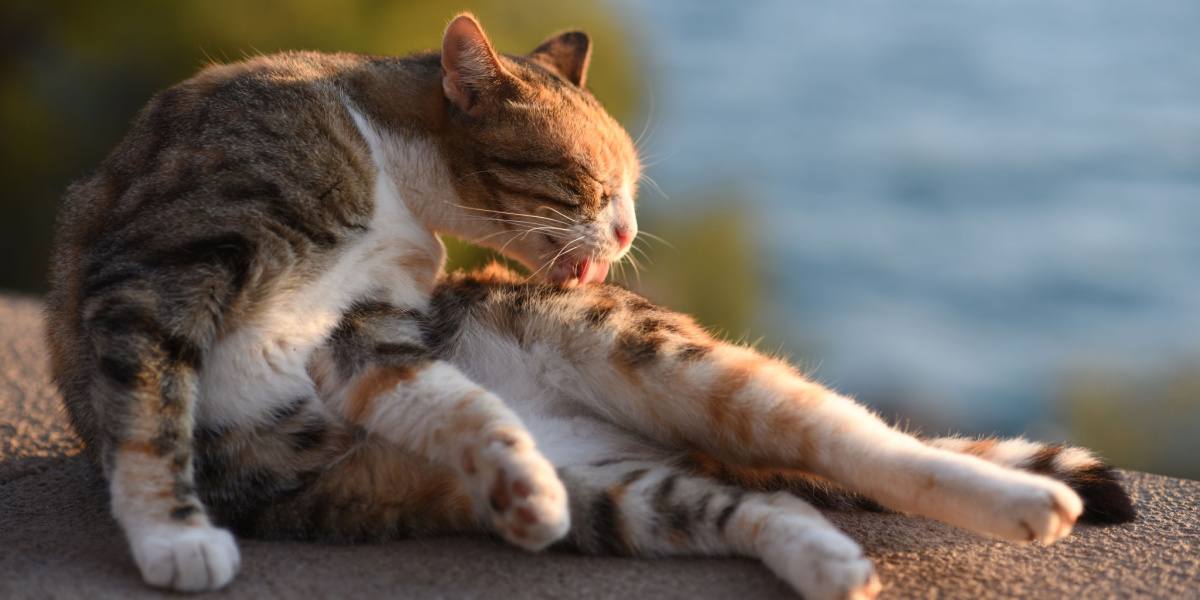
Cats naturally spend up to 50% of their waking hours grooming themselves, but excessive licking behavior can signal deeper issues. Whether your cat is constantly licking blankets, licking themselves raw, or even showing signs of obsessive cat licking, it’s essential to understand what’s normal and what requires veterinary attention.
Normal vs. Problematic Licking Behavior
Here’s what you need to know about distinguishing between normal and excessive licking:
| Normal Licking Behavior | Concerning Licking Behavior |
|---|---|
| Regular grooming sessions | Bald patches or skin lesions |
| Occasional licking of surfaces | Constant licking of non-food items |
| Social grooming with other pets | Aggressive licking causing wounds |
| Brief licking during stress relief | Extended licking sessions lasting hours |
| Balanced daily routine | Disruption of normal activities |
The Main Reasons Behind Cat Licking Behavior
1. Medical Conditions Causing Excessive Licking
Several medical issues can trigger obsessive cat licking behavior:
- Allergies: Environmental allergens or food sensitivities can cause intense itching
- Parasites: Fleas, mites, and other parasites irritate the skin
- Pain or discomfort: Arthritis or injuries may lead to targeted licking
- Skin infections: Bacterial or fungal infections create irritation
- Metabolic disorders: Thyroid issues can affect grooming behavior
According to the American Veterinary Medical Association, approximately 30% of cats with excessive licking have an underlying medical condition.
2. Behavioral and Psychological Triggers
Cat anxiety signs often manifest through obsessive licking:
- Changes in environment or routine
- Addition of new pets or family members
- Moving to a new home
- Lack of mental stimulation
- Separation anxiety
How to Stop Cat from Licking Excessively
Immediate Steps You Can Take
-
Create a stress-free environment
- Provide hiding spots and vertical spaces
- Maintain consistent feeding schedules
- Use pheromone diffusers like Feliway
-
Increase mental stimulation
- Interactive toys and puzzle feeders
- Regular play sessions
- Window perches for bird watching
-
Address medical concerns
- Schedule a veterinary examination
- Run necessary diagnostic tests
- Follow prescribed treatment plans
Long-term Management Strategies
Environmental Enrichment
Creating a cat-friendly environment is crucial for preventing stress-related licking:
- Multiple clean litter boxes (one per cat plus one extra)
- Scratching posts in various locations
- Comfortable resting areas
- Interactive toys that change regularly
- Water fountains to encourage hydration
Behavioral Modification Techniques
When dealing with obsessive cat licking, consider these approaches:
- Positive reinforcement: Reward your cat for calm behavior
- Redirection: Offer alternatives when licking begins
- Avoid punishment: Never scold for licking behavior
- Consistency: Maintain regular routines
When to Seek Professional Help
Contact your veterinarian if you notice:
- Bald patches or skin damage
- Changes in eating or drinking habits
- Increased aggression or anxiety
- Persistent licking despite interventions
- Signs of pain or discomfort
The Cornell Feline Health Center recommends immediate veterinary attention for cats showing sudden changes in grooming behavior.
Special Considerations for Different Cat Breeds
Some breeds are more prone to excessive licking behavior:
| Breed | Tendency to Excessive Licking | Common Triggers |
|---|---|---|
| Siamese | High | Anxiety, stress |
| Oriental Shorthair | High | Environmental changes |
| Abyssinian | Moderate | Boredom, lack of stimulation |
| Persian | Low to Moderate | Skin conditions, allergies |
| Maine Coon | Low | Medical issues |
Frequently Asked Questions
Why does my cat lick me?
Cats lick their humans as a sign of affection, marking territory with their scent, or grooming behavior. This social bonding is generally normal unless accompanied by aggressive behavior.
Can excessive licking be a sign of anxiety?
Yes, excessive licking is often one of the primary cat anxiety signs. Cats may overgroom when stressed, leading to bald patches or skin irritation.
How can I stop my cat from licking furniture?
To stop cat from licking furniture:
- Use deterrent sprays
- Provide alternative surfaces
- Address underlying anxiety
- Increase environmental enrichment
Expert Tips for Managing Cat Licking Behavior
According to board-certified veterinary behaviorists from the American College of Veterinary Behaviorists, successful management involves:
- Identifying triggers: Keep a behavior diary
- Medical evaluation: Rule out physical causes
- Environmental modification: Create a cat-friendly space
- Behavioral therapy: Work with certified professionals
- Medication when necessary: Under veterinary supervision
Conclusion
Understanding why cat licks occur and recognizing the difference between normal grooming and problematic behavior is essential for every cat owner. By addressing both medical and behavioral factors, providing environmental enrichment, and working closely with veterinary professionals, you can help your feline friend maintain healthy grooming habits.
Remember, each cat is unique, and what works for one may not work for another. Patience and consistency are key when addressing excessive licking behavior.
Have you noticed your cat engaging in excessive licking? What strategies have worked best for managing this behavior in your home?