

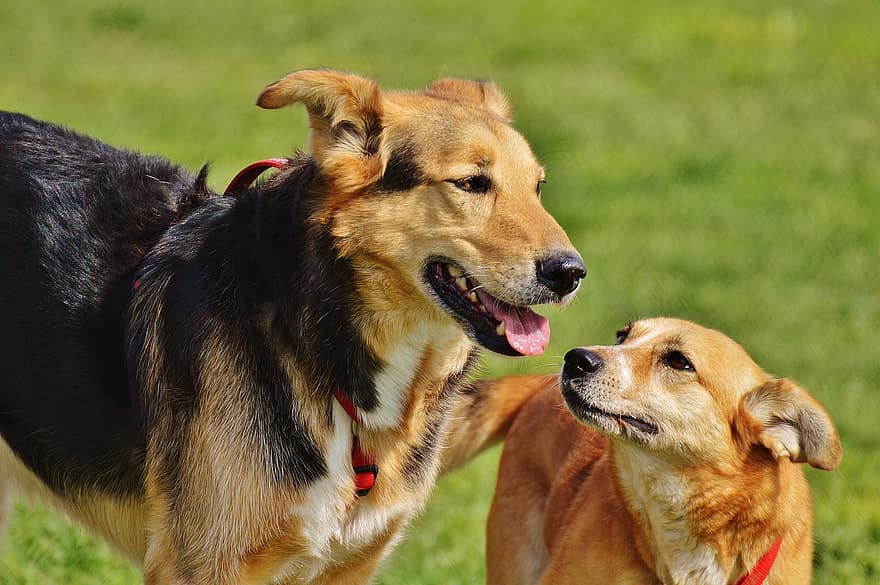


Adding a new dog to a household that already has pets can be a rewarding experience, but it requires thoughtful planning and consideration to ensure a smooth transition for everyone involved. The key to success is finding a dog that will fit seamlessly into your existing pet family, taking into account the dynamics of your current pets and the temperament of the new dog.
Before adding a new dog to your home, it’s important to assess your existing pets’ personalities and needs. For example, some dogs may be more tolerant of other animals, while others may prefer to be the only pet. If you have a dog already, consider their temperament—whether they’re social or more territorial—and look for a new dog with compatible traits. If you have cats or other small pets, their comfort and safety should also be top priority when adding a new dog.
When adding a new dog, meeting potential dogs and observing their behavior in different environments and with various animals is crucial. Also, consider factors such as the dog’s energy level, size, and grooming needs, which should align with your current household routine. Gradual introductions, positive reinforcement, and giving both your new dog and current pets time to adjust are key steps in ensuring a harmonious home. With patience and the right match, adding a new dog can help your pets form lasting bonds.
Assess Your Current Pets
Before selecting a new dog, evaluate the temperament, energy levels, and socialization skills of your existing pets. Are they friendly and sociable with other animals? Do they have any territorial behaviors or anxiety issues? Understanding your pets’ personalities will help you choose a dog that complements rather than conflicts with them.
Consider Your Living Space
Your living environment plays a crucial role in determining the type of dog that would best fit your household. If you live in a small apartment, a smaller, less active breed might be a better choice. On the other hand, if you have a large yard, a more energetic dog could have ample space to play and explore.
Compatibility with Other Pets
Some dog breeds are known for their friendly and sociable nature, making them better candidates for multi-pet households. Here are a few breeds that generally get along well with other pets:
01. Golden Retriever: Known for their friendly and tolerant nature, Golden Retrievers are often good with other dogs and pets, including cats.
02. Labrador Retriever: Like Golden Retrievers, Labradors are known for their friendly and easy-going nature, making them a good choice for households with other pets.
03. Beagle: Beagles are sociable and pack-oriented, making them more likely to get along with other dogs and even cats.
04. Cavalier King Charles Spaniel: These dogs are gentle and affectionate, often getting along well with other animals.
05. Poodle: Poodles are intelligent and adaptable, and they tend to get along well with other pets.
06. Boxer: Boxers are playful and energetic, and they usually enjoy the company of other dogs.
Size and Energy Levels
Matching the size and energy levels of your new dog with your current pets can help ensure a harmonious household. For example, pairing a very small dog with a much larger one could lead to accidental injuries during playtime. Similarly, a high-energy dog might overwhelm a more sedentary pet. Look for a dog whose size and energy levels are compatible with your existing pets.
Introductions and Patience
Regardless of the breed you choose, introducing a new dog to your household should be done gradually and with patience. Here are some steps to help with the transition:
01. Neutral Territory: Introduce the dogs in a neutral location, such as a park, to reduce territorial behavior.
02. Supervised Meetings: Allow short, supervised meetings between the new dog and your current pets, gradually increasing the duration as they become more comfortable with each other.
03. Separate Spaces: Provide separate spaces for each pet initially, allowing them to get used to each other’s scent before direct interactions.
04. Positive Reinforcement: Use treats and praise to reward good behavior and positive interactions between your pets.
Consulting Professionals
If you’re unsure about the best breed or how to introduce a new dog to your pets, consider consulting with a veterinarian or a professional dog trainer. They can provide personalized advice based on your specific situation and help ensure a smooth transition for all your pets.
Adding a New Dog: Conclusion
Choosing the best kind of dog when you already have pets requires thoughtful consideration of several important factors. First, evaluate the temperament of your current pets, as their personality and behavior will play a significant role in determining how well they will get along with a new dog. Some pets may be more territorial or protective, while others may be more welcoming and social. Adding a New Dog that aligns with the temperament of your current pets can help in establishing a smoother transition. Understanding their behavior helps in selecting a dog with a compatible temperament.
Another crucial aspect is your living space. Consider the size of your home and the amount of time you can dedicate to exercise, play, and training. Larger or high-energy dogs may require more space and activity, which could be a challenge in a smaller home. Adding a New Dog that fits well within your space limitations is important for both the dog and your current pets’ well-being. In contrast, smaller or more laid-back breeds may fit in better with your current living situation.
The gradual introduction of the new dog to your existing pets is essential. Adding a New Dog requires time and patience to allow them to get accustomed to each other in a controlled and positive environment. Taking the time to allow them to get accustomed to each other in a controlled and positive environment can help minimize stress and promote peaceful coexistence. By ensuring that the new dog matches the energy, size, and temperament of your other pets, you can foster a harmonious multi-pet household, where everyone thrives and benefits from the companionship of one another. Adding a New Dog thoughtfully ensures a balanced and loving home for all your pets.