



Introduction: Meet the Marvelous Affenpoo
The Affenpoo, a captivating hybrid born from the union of the Affenpinscher and the Toy or Miniature Poodle, has been steadily winning hearts across the dog-loving community. This pint-sized powerhouse combines the spirited personality of the Affenpinscher with the legendary intelligence of the Poodle, creating a companion that’s as unique as it is endearing. Unlike many designer breeds chasing the spotlight, the Affenpoo stands apart with its authentic character and expressive nature, earning it a special place in the world of small designer dogs.
As we embark on this comprehensive exploration of the Affenpoo, we’ll uncover everything from its distinctive traits and fascinating history to practical care tips and training strategies. Whether you’re considering adding this delightful Affenpinscher Poodle mix to your family or simply satisfying your curiosity about this remarkable hybrid, this guide promises to be your definitive resource.


The Affenpoo may not be as widely recognized as some other Poodle crosses, but as the American Kennel Club notes regarding one of its parent breeds, sometimes the most distinctive companions come in smaller packages. This charismatic hybrid combines the Affenpinscher’s bold personality with the Poodle’s remarkable intelligence, creating a companion that stands out in the increasingly diverse world of designer dogs.
The Affenpoo at a Glance
Before diving into the details, here’s a quick overview of what makes the Affenpoo special:
| Characteristic | Description |
|---|---|
| Size | Small; 9-11 inches tall (Toy Poodle parent) or slightly larger with Miniature Poodle genetics |
| Weight | 7-9 pounds (Toy Poodle mix) or 20-30 pounds (Miniature Poodle mix) |
| Coat | Low-shedding, often wavy or curly, requiring regular grooming |
| Temperament | Intelligent, expressive, playful, sometimes stubborn but always authentic |
| Lifespan | 10-15 years |
| Best Suited For | Experienced dog owners, apartment dwellers, singles or families with older children |
| Exercise Needs | Moderate; daily walks and play sessions |
| Training | Responsive but may require patience and consistency |
| Health | Generally healthy, but watch for inherited conditions from parent breeds |
The Origins and History of the Affenpoo
A Modern Mix with Ancient Roots
The Affenpoo may be a relatively recent addition to the designer dog landscape, having emerged during the hybrid dog renaissance of the 1990s in the United States, but its parent breeds boast rich histories that span centuries.
The Poodle, one of the most recognizable dog breeds worldwide, traces its lineage back to 15th or 16th century Germany and France. Originally bred as water retrievers, Poodles have since evolved into companions prized for their exceptional intelligence and hypoallergenic coats.
On the other side of the family tree, the Affenpinscher (affectionately nicknamed “Monkey Dog” due to its distinctive facial features) emerged in Germany around the early 20th century. These small terrier-like dogs were initially bred to control rodent populations in homes and stables before becoming cherished companions.
The Designer Dog Movement
The deliberate crossbreeding that created the Affenpoo was part of a larger trend toward designer dogs that gained momentum in the late 20th century. Breeders sought to combine the most desirable traits of established breeds while potentially minimizing genetic health issues through hybrid vigor.
Today, many Affenpoos are actually second or third-generation hybrids, the offspring of Affenpoo-to-Affenpoo pairings rather than direct Affenpinscher-to-Poodle crosses. This breeding approach helps stabilize traits and establish more predictable characteristics in the resulting puppies.
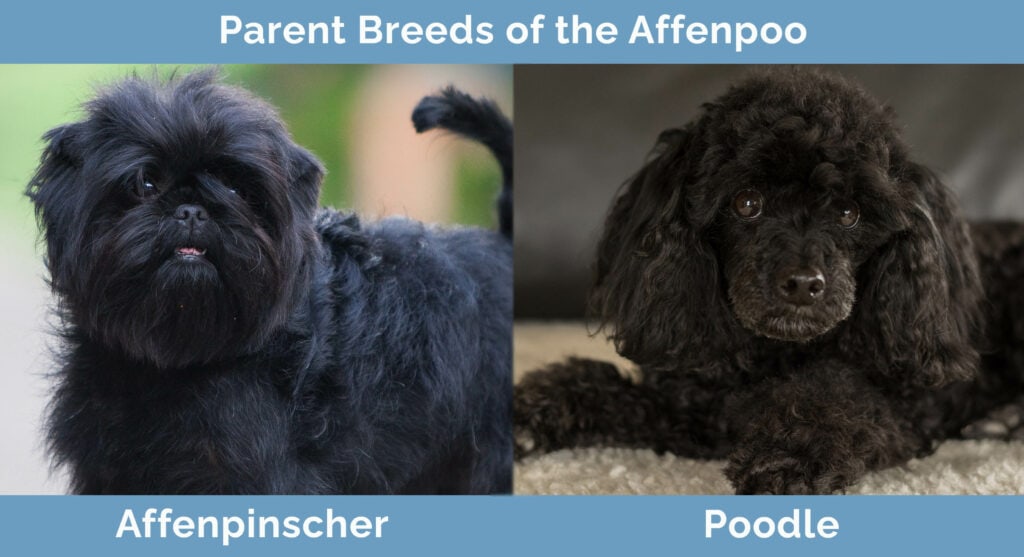

According to experts, hybrid breeds like the Affenpoo represent a thoughtful approach to dog breeding that aims to preserve the best qualities of established breeds while addressing some of the health concerns that can arise from closed breeding populations. While there’s ongoing debate in the community about the merits of purebred versus mixed-breed dogs, many Affenpoo owners report that their companions display a wonderful balance of their parent breeds’ most appealing traits.
Physical Characteristics: The Affenpoo Aesthetic
Size and Structure
The Affenpoo is unmistakably a small breed, though its precise dimensions can vary depending on whether the Poodle parent was a Toy or Miniature variety:
- Toy Poodle parentage: 9-11 inches tall, weighing 7-9 pounds
- Miniature Poodle parentage: Slightly larger, possibly reaching 20-30 pounds
Regardless of size, the Affenpoo typically features a compact, well-proportioned body with a sturdy build that belies its small stature.
That Distinctive Affenpoo Face
Perhaps the most charming aspect of the Affenpoo is its expressive face. Inheriting the Affenpinscher’s distinctive “monkey-like” features combined with the Poodle’s alert expression, these dogs possess a face that’s both endearing and full of character. Their bright, intelligent eyes seem to communicate volumes, while their ears may either stand erect or flop forward depending on the genetic influence of each parent.
Coat Varieties and Colors
The Affenpoo coat is typically low-shedding (a prized characteristic inherited from the Poodle parent) and may range from slightly wavy to tightly curled. This hybrid can sport a variety of colors, including:
- Gray
- Black
- Brown
- White
- Cream
- Or various combinations of these colors


Personality and Temperament: What to Expect
The Heart of an Affenpoo
Living with an Affenpoo has been described as “a rollercoaster of fun,” and for good reason. These little dogs pack enormous personality into their small frames, creating a companion experience that’s anything but boring. Here’s what you can expect from an Affenpoo’s temperament:
Intelligence with a Dash of Stubbornness
The Affenpoo inherits impressive cognitive abilities from both parent breeds. The Poodle consistently ranks among the most intelligent dog breeds, while the Affenpinscher brings a clever, resourceful nature to the mix. This intelligence, however, comes paired with a streak of independence that can sometimes manifest as stubbornness.
An Affenpoo knows its own mind and isn’t afraid to assert its opinions—a quality that many owners find endearing but that can occasionally challenge first-time dog parents.
Expressive and Authentic
If you value straightforward communication, you’ll appreciate the Affenpoo’s approach to life. These dogs wear their hearts on their sleeves, making no attempt to hide their feelings or opinions. Whether they’re delighted by your return home or unimpressed with the dinner options, you’ll know exactly where you stand with an Affenpoo.
Playfulness and Energy Levels
Affenpoos tend to maintain a playful disposition well into adulthood. They enjoy interactive games and can be quite inventive in creating their own entertainment (sometimes to their owner’s surprise). While not hyperactive, they do require regular exercise to maintain physical and mental well-being.
Most Affenpoos enjoy:
- Daily walks (typically 20-30 minutes)
- Interactive play sessions
- Puzzle toys that challenge their clever minds
- Social outings where they can observe the world
Social Tendencies
Many Affenpoos are sociable creatures who enjoy interacting with familiar humans. Their attitude toward strangers can vary—some are immediately friendly, while others take a more reserved approach until they’ve decided a new person is worthy of their affection.


When it comes to other pets, early socialization is key. Well-socialized Affenpoos can coexist happily with other dogs and even cats, though their terrier heritage (from the Affenpinscher side) may give them a strong prey drive toward smaller animals like hamsters or birds. The International Association of Animal Behavior Consultants recommends structured, positive introduction protocols when bringing an Affenpoo into a multi-pet household.
Suited for Apartment Living
One of the Affenpoo’s practical advantages is its adaptability to apartment living. Their small size and moderate exercise needs make them well-suited to urban environments, provided they receive daily walks and mental stimulation. Most Affenpoos don’t tend to be excessive barkers, though individual personalities vary.
Health and Longevity: Understanding Your Affenpoo’s Wellness
Lifespan and General Health
One of the many rewards of welcoming an Affenpoo into your life is the potential for a long-lasting companionship. These hardy little dogs typically enjoy lifespans of 10-15 years, with some individuals living even longer with proper care.
As a hybrid breed, Affenpoos may benefit from heterosis (or hybrid vigor)—the biological phenomenon where crossbred individuals show improved biological quality over their purebred parents. However, they can still inherit health conditions common to either parent breed.
Potential Health Concerns
While generally healthy, responsible Affenpoo owners should be aware of these potential health issues:
- Dental Problems: Small breeds often face dental challenges. Regular tooth brushing and dental check-ups are essential.
- Patellar Luxation: This condition, where the kneecap slips out of place, is common in small breeds including both parent breeds of the Affenpoo.
- Progressive Retinal Atrophy: An inherited eye condition that can eventually lead to blindness, known to affect Poodles.
- Legg-Calvé-Perthes Disease: A condition affecting the hip joint, more common in small breeds.
- Allergies and Skin Issues: Some Affenpoos may inherit the Poodle’s tendency toward skin sensitivities and allergies.
Preventative Health Care
A proactive approach to healthcare can help your Affenpoo live its best, longest life:
- Regular Veterinary Check-ups: Annual or semi-annual wellness exams
- Dental Care: Daily tooth brushing and professional cleanings as recommended
- Vaccinations: Kept current according to your veterinarian’s schedule
- Parasite Prevention: Regular protection against fleas, ticks, and heartworm
- Weight Management: Maintaining appropriate weight is crucial for joint health
- Exercise: Regular, appropriate physical activity
- Mental Stimulation: Keeping their clever minds engaged

The American Veterinary Medical Association – Small Dog Care Guidelines emphasizes the importance of breed-specific preventative care for small breeds like the Affenpoo. Small dogs often have unique health considerations that require specialized attention, from dental care to joint support as they age.
How long do Affenpoos live?
Affenpoos typically enjoy a lifespan of 10-15 years. As a hybrid of the Affenpinscher and Poodle, they may benefit from hybrid vigor, potentially leading to fewer genetic health issues than their purebred parents. Regular veterinary care, appropriate diet, dental hygiene, and adequate exercise all contribute to maximizing an Affenpoo’s healthy lifespan.
Grooming and Care: Maintaining Your Affenpoo’s Appearance
Coat Maintenance
The Affenpoo’s coat is one of its most distinctive features, and while it offers the advantage of minimal shedding, it does require regular maintenance:
Brushing
Most Affenpoos benefit from brushing 3-4 times per week to prevent mats and tangles. Their coat texture—which can range from wavy to tightly curled—determines the specific tools and techniques that work best:
- Slicker brushes work well for curlier coats
- Pin brushes may be better suited to wavy-coated individuals
- A metal comb helps with detailing and finding hidden tangles
Professional Grooming
Many Affenpoo owners opt for professional grooming every 6-8 weeks. A professional groomer can:
- Trim the coat to a manageable length
- Shape the facial hair to maintain that distinctive Affenpoo expression
- Address hard-to-reach areas like ear canals and paw pads
Bathing
Affenpoos typically need bathing every 3-4 weeks, using a gentle dog shampoo that won’t strip their coat of natural oils. More frequent bathing may be necessary for particularly active dogs or those with skin conditions, but always under veterinary guidance.
Beyond the Coat: Complete Care
A comprehensive grooming routine includes more than just coat care:
- Ear Cleaning: Check weekly and clean as needed, especially if your Affenpoo has floppy ears that trap moisture
- Nail Trimming: Every 3-4 weeks on average
- Eye Care: Wipe away any discharge with a clean, damp cloth
- Dental Hygiene: Daily tooth brushing with dog-specific toothpaste


Training Your Affenpoo: Strategies for Success
The Affenpoo Intelligence Advantage
Training an Affenpoo benefits greatly from the breed’s impressive intelligence. These dogs can quickly grasp new concepts and commands—sometimes surprising even experienced dog owners with how rapidly they learn.
However, intelligence doesn’t always translate to training compliance. The Affenpoo’s independent streak (particularly from the Affenpinscher side) means they may understand perfectly what you’re asking but decide they have better ideas.
Effective Training Approaches
For optimal results with an Affenpoo, consider these training strategies:
- Positive Reinforcement: The gold standard for Affenpoo training. These sensitive dogs respond beautifully to praise, treats, and play as rewards.
- Consistency: Establish clear rules and boundaries, enforced consistently by all family members.
- Short, Engaging Sessions: Keep training sessions brief (5-10 minutes) but mentally stimulating.
- Patience: Some Affenpoos may test boundaries or take longer to master certain skills.
- Early Socialization: Expose your Affenpoo puppy to various people, places, sounds, and experiences during their critical socialization period (roughly 3-14 weeks of age).
- Respect-Based Leadership: Establish yourself as a benevolent leader rather than attempting dominance-based training methods, which can damage your relationship with your Affenpoo.


The training approach recommended by American Kennel Club – Poodle Breed Information experts for Poodles works exceptionally well for Affenpoos too, focusing on engaging their intelligence rather than drilling repetitive exercises. Our guide to offers additional strategies specifically tailored to dogs like the Affenpoo that thrive on mental challenges.
Specific Training Focuses
Housetraining
Affenpoos can sometimes present housetraining challenges, particularly in adverse weather conditions that many small breeds find unpleasant. Consistency, positive reinforcement, and a reliable schedule are key to success.
Socialization
While many Affenpoos are naturally sociable, proper socialization helps ensure they develop into well-adjusted adults comfortable in various situations. Puppy socialization classes offer a controlled environment for positive interactions.
Basic Commands
Start with essential commands like:
- Sit
- Stay
- Come
- Leave it
- Walking politely on leash
Once these are mastered, many Affenpoos enjoy progressing to more advanced training or even dog sports like agility or rally obedience, which provide excellent mental stimulation.
Nutrition and Feeding: Fueling Your Affenpoo
Dietary Needs
As small, moderately active dogs, Affenpoos don’t require large quantities of food, but the quality of their nutrition significantly impacts their health, energy levels, and longevity.
Portion Control
The typical adult Affenpoo requires approximately:
- Toy Poodle-sized Affenpoo (7-9 lbs): ¼ to ½ cup of high-quality dry food daily, divided into two meals
- Miniature Poodle-sized Affenpoo (20-30 lbs): ¾ to 1 cup of high-quality dry food daily, divided into two meals
These are general guidelines; your dog’s individual needs may vary based on:
- Age
- Activity level
- Metabolism
- Health status
Quality Considerations
Look for dog foods that feature:
- A named animal protein as the first ingredient (e.g., chicken, beef, lamb)
- Whole grains or quality grain alternatives
- Fruits and vegetables
- No artificial preservatives, colors, or flavors
- Appropriate fat content for energy needs
Feeding Schedule
Most adult Affenpoos thrive on a twice-daily feeding schedule, which helps maintain stable blood sugar levels and prevents hunger-related behavior issues. Puppies require more frequent feeding—typically three to four meals daily until about six months of age.
Weight Management
Small breeds like the Affenpoo can become overweight with even minimal overfeeding. Obesity increases the risk of various health problems, including joint issues, diabetes, and heart disease.
To maintain your Affenpoo’s ideal weight:
- Measure food precisely rather than estimating
- Account for treats in daily calorie calculations (treats should constitute no more than 10% of daily caloric intake)
- Adjust portions based on activity level
- Perform regular body condition assessments (you should be able to feel but not see the ribs)
The Affenpoo as a Family Member: Compatibility Considerations
Affenpoos and Children
The relationship between Affenpoos and children requires thoughtful consideration. Due to their small size and sometimes assertive personalities, Affenpoos generally fare better in homes with older, respectful children who understand appropriate interaction with dogs.
Key considerations include:
- Size vulnerability: Small breeds can be injured by rough handling
- Patience threshold: Affenpoos may have limited tolerance for high-energy child behavior
- Supervision: Always supervise interactions between dogs and young children
- Mutual respect: Teach children to respect the dog’s boundaries and personal space
Compatibility with Other Pets
Many Affenpoos can live harmoniously with other pets, particularly when:
- They’re raised together from a young age
- Proper introductions are conducted
- Each animal has its own safe space
- Resources (food, toys, attention) are managed to prevent competition
The Affenpinscher’s terrier-like instincts may emerge around very small pets like hamsters or birds, so caution is advised in these pairings.
Home Environment Considerations
The ideal Affenpoo environment provides:
- Safety: Secure fencing and removal of hazards
- Comfort: Appropriate resting places, including a crate or bed
- Enrichment: Toys, puzzle feeders, and interactive opportunities
- Routine: Predictable schedule for meals, walks, and activities
While adaptable to various living situations, most Affenpoos prefer being where the action is—they’re companion dogs at heart and typically don’t thrive when left alone for extended periods.
Finding Your Affenpoo: Adoption and Purchase Considerations
Rescue vs. Breeder
When adding an Affenpoo to your family, you have two primary paths to consider:
Rescue/Adoption
While finding a specific designer breed like an Affenpoo in rescue can be challenging, it’s not impossible. Benefits include:
- Lower cost (typically $100-$500)
- Adult dogs with established personalities
- The satisfaction of providing a home to a dog in need
Resources for finding Affenpoos for adoption:
- General pet adoption websites with breed search options
- Local shelters and rescue groups
Reputable Breeders
If you’re seeking a puppy with known history, a responsible breeder is essential. Expect:
- Higher costs ($1,500-$3,000 depending on lineage and region)
- Waiting periods for available puppies
- Health testing of parent dogs
- Early socialization and care
Red Flags When Searching
Whether adopting or purchasing, be alert to these warning signs:
- Multiple breeds always available with no waiting list
- Prices significantly lower than market average
- No health testing or guarantees
- Unwillingness to show the mother or the living conditions
- No questions asked about your home situation or experience
- Pressure to buy immediately
Questions to Ask a Breeder or Rescue
Prepare to inquire about:
- Health testing on parent dogs
- Temperament and health of previous litters
- Socialization practices for puppies
- Support offered after adoption/purchase
- Return policy if the match doesn’t work out
- Typical challenges with the breed/individual dog
Living with an Affenpoo: Practical Considerations
Exercise Requirements
Despite their small size, Affenpoos need regular exercise to maintain physical health and emotional balance. The good news is that their exercise needs are moderate and adaptable:
- Daily walks: 20-30 minutes, ideally twice daily
- Play sessions: Interactive games that engage both body and mind
- Indoor activities: Suitable during inclement weather
- Mental exercise: Puzzle toys, training games, and learning opportunities
Travel and Portability
One advantage of the Affenpoo’s compact size is its portability. Many Affenpoos make excellent travel companions:
- Small enough for airline cabin travel (in approved carriers)
- Adaptable to various accommodations
- Easily transported in carriers, purses, or bicycle baskets for local adventures
For Affenpoos that enjoy social outings, their size makes them welcome in many dog-friendly establishments where larger breeds might be more restricted.
Work-Life Balance
Affenpoos form strong bonds with their people and generally prefer not to be left alone for extended periods. Considerations for working pet parents include:
- Doggy daycare options
- Pet sitters or dog walkers
- Creating a stimulating environment for periods of absence
- Gradually building tolerance for alone time

If you’re looking for a dog that fits well with apartment living and urban lifestyles, our comprehensive comparison of dog breeds can help you understand how the Affenpoo compares to other companion options for city dwellers.
Seasonal Adaptations
The Affenpoo’s coat provides good insulation, but these small dogs may still require accommodation in extreme weather:
- Cold weather: Consider sweaters or coats for winter walks
- Hot weather: Provide shade, fresh water, and avoid exercise during peak heat
- Wet conditions: Some Affenpoos dislike rain and may need encouragement to venture outdoors in wet weather
10 Fascinating Affenpoo Facts
- Hypoallergenic Potential: Like most Poodle hybrids, Affenpoos typically shed minimally, making them potentially suitable for people with mild allergies.
- Generational Breeding: Many Affenpoos today are the result of Affenpoo-to-Affenpoo pairings rather than first-generation crosses.
- Impressive Lifespan: With proper care, these delightful companions often live 12-15 years, providing over a decade of companionship.
- The “Monkey Face” Nickname: The Affenpinscher parent contributes to the Affenpoo’s distinctive facial appearance, which has earned these dogs the endearing nickname “Monkey Face.”
- Global Popularity: The Affenpoo has gained international recognition, with growing popularity in the United Kingdom and other countries beyond its US origins.
- Social Preferences: Many Affenpoos enjoy social outings and adapt well to various transportation methods, from leash walking to riding in specialty dog carriers or bicycle baskets.
- Breeder Geography: Pennsylvania has emerged as a notable hub for Affenpoo breeders in the United States, though breeders can be found across the country.
- Recognition Status: While not recognized by major kennel clubs as a standardized breed, the Affenpoo is registered with the American Canine Hybrid Club.
- Name Variations: These dogs sometimes go by alternate names including Affendoodle or Affenpoodel, particularly in international contexts.
- Intelligence Ranking: With both parent breeds ranking high in canine intelligence studies, Affenpoos are considered among the more intellectually gifted small dog hybrids.
Is an Affenpoo Right for You? Honest Assessment
Ideal Affenpoo Owners
The Affenpoo thrives with owners who can provide:
- Experience: Previous dog ownership, particularly with small or intelligent breeds
- Presence: Limited alone time and plenty of interaction
- Patience: Understanding of the breed’s occasional stubbornness
- Commitment: Willingness to meet grooming and training needs
- Appreciation: Enjoyment of the breed’s expressive, sometimes opinionated nature


When Another Breed Might Be Better
Consider alternatives if you:
- Have very young children
- Work long hours with no pet care options
- Lack experience with dogs
- Prefer a more predictable or immediately obedient temperament
- Cannot commit to regular grooming requirements
- Need a hypoallergenic guarantee (no dog is 100% hypoallergenic)
Conclusion: The Affenpoo Adventure
The Affenpoo represents a delightful blend of intelligence, character, and charm, packaged in a conveniently sized companion. From their expressive “monkey faces” to their curious, sometimes stubborn personalities, these Affenpinscher Poodle mixes offer a unique pet experience that tends to both challenge and reward their human families.

While not the right fit for every household, those who appreciate the Affenpoo’s distinctive qualities often find themselves with a loyal, engaging companion capable of bringing joy, laughter, and the occasional moment of exasperation to daily life. With proper care, training, and socialization, an Affenpoo can become not just a pet but a beloved family member whose presence enriches your home for many years.
For those prepared to embrace the Affenpoo’s authenticity and meet its moderate but specific needs, the rewards include a decade or more of companionship with a dog that never fails to make life more interesting.
What aspects of the Affenpoo’s personality most appeal to you? Would this expressive hybrid fit into your lifestyle? Share your thoughts in the comments below!