

 Introduction: Meet the Royal Afghan Hound
Have you ever encountered a dog that seems to embody both elegance and playfulness in perfect harmony? The Afghan Hound, with its distinctive flowing coat and aristocratic bearing, is precisely that extraordinary blend. These magnificent Afghan Hounds stand out in the canine world with their regal appearance and dignified demeanor. Yet beneath that sophisticated exterior lies a spirited, affectionate companion with a playful heart. Originally bred as hunters in the mountainous regions of Afghanistan, these elegant creatures have evolved into beloved family pets while maintaining their noble heritage.
For anyone considering bringing this unique breed into their home, understanding the Afghan Hound’s distinctive traits, care requirements, and temperament is essential. This comprehensive guide explores everything you need to know about these majestic dogs, from their rich history to practical advice for potential owners.
The Rich History of the Afghan Hound: Ancient Royalty Among Dogs
Origins in the Mountains of Afghanistan
The Afghan Hound’s history stretches back thousands of years, making it one of the oldest recognized dog breeds in existence. Archaeological evidence suggests that these elegant dogs have been roaming the mountains and deserts of Afghanistan since at least 4000 BCE. Their development as a breed was shaped by the harsh terrain and climate of their homeland, resulting in a dog that combines speed, agility, and endurance.
Originally known as “Tazi” in Afghanistan, these dogs were highly prized by nobility and tribal leaders for their exceptional hunting abilities. Their remarkable speed and keen eyesight made them invaluable for hunting large game, including gazelles, deer, and even leopards across the challenging mountainous landscape.
Journey to the Western World
The Afghan Hound first caught the attention of Western dog enthusiasts in the early 20th century. British soldiers returning from the Afghan wars brought specimens back to England, where they quickly gained popularity among the aristocracy. The breed was officially recognized by the American Kennel Club in 1926, cementing its status in the dog breeding world.
Throughout the 20th century, the Afghan Hound transitioned from being primarily a working hunting dog to becoming a show dog and companion animal. Today, while they still retain their hunting instincts, most Afghan Hounds are cherished family pets and competitive show dogs, admired for their grace and distinctive appearance.
Distinctive Physical Characteristics of the Afghan Hound
The Legendary Afghan Hound Coat
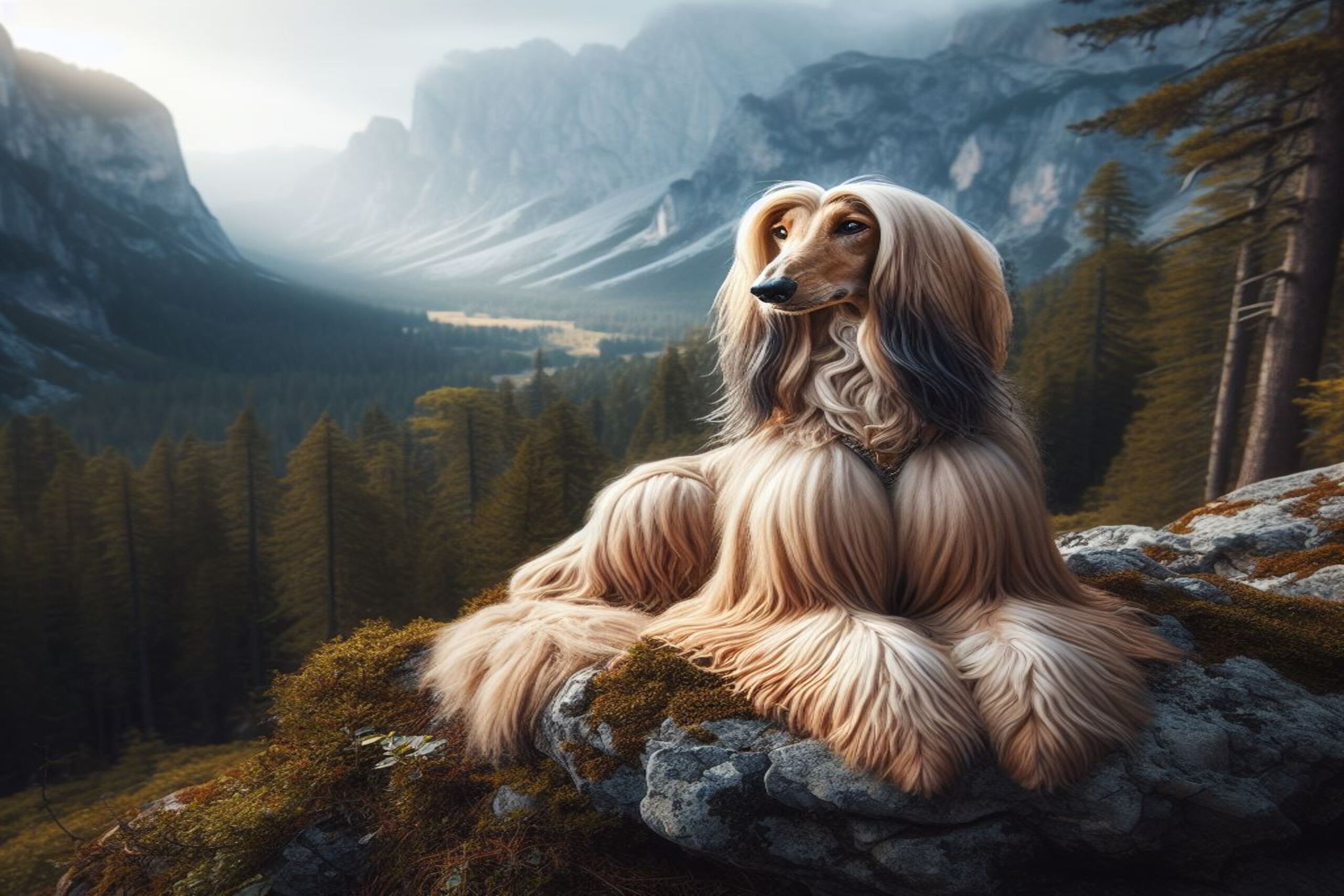
The most striking feature of the Afghan Hound is undoubtedly its luxurious coat. This silky, fine-textured hair flows elegantly from the dog’s body, creating a dramatic visual effect that’s instantly recognizable. The coat serves a practical purpose as well – it originally developed as protection against the extreme temperature variations in the Afghan mountains, providing insulation against both heat and cold.
Unlike many other long-haired dog breeds, the Afghan’s coat has a unique texture that’s more similar to human hair than typical dog fur. It grows continuously and requires significant maintenance to keep it in good condition. The coat typically features a shorter, more dense undercoat on the back and ribs, with the characteristic long, flowing hair on the sides, front, and rear of the dog.
Distinguished Physical Build and Features
Beyond their famous coat, Afghan Hounds possess several distinctive physical characteristics:
- Height and Build: Standing between 25-27 inches tall at the shoulder (males) and 23-25 inches (females), with a lean, athletic frame weighing between 50-60 pounds
- Head Structure: Long, refined head with a prominent topknot of silky hair
- Eyes: Dark, almond-shaped eyes that give an expression of dignity and mystery
- Ears: Long, feathered ears set low on the head
- Tail: Curved tail with a ring at the end, carried high when the dog is in motion
- Gait: Smooth, springy, and highly distinctive floating movement
This combination of features gives the Afghan Hound its unmistakable silhouette and regal bearing, making it one of the most visually striking dogs in the canine world.
Afghan Hound Temperament: Beyond the Elegant Exterior
The Playful Spirit Behind the Dignified Façade
While Afghan Hounds project an image of dignity and aloofness, owners of these majestic dogs often describe a completely different personality at home. Behind closed doors, Afghan Hounds reveal their playful, sometimes clownish nature. They enjoy interactive games and can be surprisingly silly, especially when comfortable with their family members.
This duality in their temperament—dignified in public but playful at home—makes the Afghan Hound a fascinating companion. They possess a wonderful sense of humor and can be quite entertaining with their antics, particularly during their younger years.
Independence and Intelligence
Afghan Hounds are renowned for their independent nature, a trait that developed from their history as hunting dogs that needed to make decisions on their own. This independence can sometimes be misinterpreted as stubbornness or aloofness, but it actually reflects their intelligent, self-sufficient character.
Their intelligence manifests differently than in breeds like Border Collies or German Shepherds. Rather than being eager to please and follow commands, Afghan Hounds approach training and tasks with a “what’s in it for me?” attitude. They think for themselves and consider whether your request is worth their effort, which can be either challenging or refreshing, depending on your perspective.
Loyalty and Relationships
Despite their independent streak, Afghan Hounds form deep, loving bonds with their families. Their loyalty is unwavering once they’ve accepted you as their person. However, they tend to be selective with their affections and may be reserved with strangers, a quality that adds to their aristocratic persona.
With children, Afghan Hounds can be gentle and patient, though their size and exuberance during play mean that interactions with very young children should always be supervised. They generally get along well with other dogs if socialized properly, but their strong prey drive means they may not be suitable for homes with small pets like cats or rabbits.
Caring for Your Afghan Hound: A Comprehensive Guide
Grooming Requirements: Managing the Magnificent Coat
Owning an Afghan Hound means committing to a significant grooming routine. Their legendary coat requires regular attention to maintain its health and beauty:
- Daily Brushing: A thorough brushing session of at least 30 minutes daily is necessary to prevent mats and tangles
- Bathing: Regular baths every 1-2 weeks using high-quality dog shampoo and conditioner
- Professional Grooming: Many Afghan Hound owners opt for professional grooming every 4-6 weeks
- Special Tools: Invest in proper grooming tools including slicker brushes, wide-toothed combs, and detangling sprays
Many Afghan Hound enthusiasts find the grooming process therapeutic and a wonderful bonding opportunity with their dog. However, it’s important to be realistic about the time commitment before bringing one of these dogs home.
Exercise Needs: Honoring Their Athletic Heritage
Despite their elegant appearance, Afghan Hounds are athletic dogs with significant exercise requirements:
- Daily Exercise: At least 1-2 hours of physical activity daily
- Secure Areas: Always exercise in fenced areas or on leash, as their prey drive can cause them to chase and potentially not return when called
- Types of Exercise: Long walks, jogging (once fully grown), and play sessions in secure areas
- Mental Stimulation: Puzzle toys, training sessions, and lure coursing can provide excellent mental exercise
Afghan Hounds excel at lure coursing competitions, which allow them to use their natural hunting abilities in a controlled environment. Many owners find this sport an excellent outlet for their dog’s energy and instincts.
Health Considerations for Afghan Hounds
While generally healthy, Afghan Hounds are predisposed to certain health issues that potential owners should be aware of:
- Hip Dysplasia: A genetic condition affecting the hip joints
- Thyroid Issues: Hypothyroidism is relatively common in the breed
- Eye Problems: Including cataracts and progressive retinal atrophy
- Allergies: Skin allergies and sensitivities can affect some individuals
- Cancer: Certain types of cancer appear at higher rates in Afghan Hounds
Regular veterinary checkups, maintaining a healthy weight, and providing proper nutrition can help mitigate these health risks. The average lifespan of an Afghan Hound is 12-14 years, though many live longer with proper care.
Training Your Afghan Hound: Strategies for Success
Understanding the Afghan Hound’s Learning Style
Training an Afghan Hound requires patience, consistency, and creativity. Their independent nature means they won’t simply obey commands without understanding the purpose or benefit. Effective training approaches include:
- Positive Reinforcement: Rewards-based training yields the best results
- Consistency: Clear, consistent rules and expectations
- Short Sessions: Keep training sessions brief (5-15 minutes) but frequent
- Variety: Change up routines to keep their interest
- Early Socialization: Expose them to different people, places, and situations from puppyhood
Afghan Hounds respond poorly to harsh corrections or repetitive drills. Their sensitivity means they may shut down or become disinterested if training methods are too stern or boring.
Socialization: Cultivating a Well-Adjusted Afghan Hound
Proper socialization is crucial for developing a well-rounded Afghan Hound. These naturally reserved dogs benefit greatly from early and ongoing exposure to:
- Different People: Various ages, appearances, and behaviors
- Other Animals: Both dogs and non-canine pets (with supervision)
- Environments: Urban settings, rural areas, different floor surfaces, etc.
- Sounds and Situations: Thunderstorms, fireworks, car rides, crowds
A well-socialized Afghan Hound will be more confident and adaptable, while still maintaining their dignified demeanor in public settings.
Afghan Hound vs. Other Long-Haired Breeds: A Comparison
When considering an Afghan Hound, it’s helpful to understand how they compare to other long-haired dog breeds:
| Characteristic | Afghan Hound | Borzoi | Saluki | Rough Collie |
|---|---|---|---|---|
| Temperament | Independent, dignified, playful at home | Independent, quiet, gentle | Reserved, loyal, sensitive | Outgoing, responsive, eager to please |
| Exercise Needs | High (1-2 hours daily) | Moderate-High (needs sprinting opportunities) | High (requires running) | Moderate (1 hour daily) |
| Grooming Requirements | Very High (daily brushing) | Moderate (weekly brushing) | Low (occasional brushing) | High (several times weekly) |
| Trainability | Challenging (independent thinker) | Moderate (food motivated) | Challenging (independent) | High (very responsive) |
| Size | 25-27 inches, 50-60 lbs | 26-32 inches, 60-105 lbs | 23-28 inches, 40-60 lbs | 22-26 inches, 50-75 lbs |
| Lifespan | 12-14 years | 9-14 years | 12-14 years | 12-14 years |
This comparison highlights the Afghan Hound’s unique combination of traits among long-haired breeds, particularly their exceptional grooming needs and independent nature.
Is an Afghan Hound Right for You? Practical Considerations
Ideal Living Situations for Afghan Hounds
Afghan Hounds adapt well to various living environments, provided their exercise and grooming needs are met:
- Houses with Yards: A securely fenced yard is ideal, though not mandatory
- Apartments: Can adapt to apartment living if given sufficient daily exercise
- Climate Considerations: Their coat provides insulation in both hot and cold weather, though extreme heat can be challenging
- Family Composition: Best suited for homes with older children or adults who understand their sensitive nature
Financial Considerations of Afghan Hound Ownership
Owning an Afghan Hound involves significant financial commitments:
- Purchase/Adoption: $1,000-$2,500 from reputable breeders
- Grooming: $75-150 per professional session, plus home grooming supplies
- Food: High-quality dog food for a large breed ($60-100 monthly)
- Veterinary Care: Regular checkups plus potential breed-specific health issues
- Additional Costs: Training, equipment, potential dog shows or sporting events
Prospective owners should realistically assess whether they can commit to these expenses throughout the dog’s 12-14 year lifespan.
Pros and Cons of Afghan Hound Ownership
Pros:
- Striking, elegant appearance that turns heads
- Loyal and affectionate with family members
- Generally quiet (not prone to excessive barking)
- Clean and typically odor-free
- Fascinating, complex personality
- Long lifespan compared to other large breeds
Cons:
- Extensive grooming requirements
- Independent nature can make training challenging
- High exercise needs
- Strong prey drive (not suitable for homes with small pets)
- Can be destructive if bored or under-exercised
- Potential health issues requiring expensive veterinary care
Living with an Afghan Hound: Day-to-Day Life
Daily Routine for a Happy Afghan Hound
A typical day for a well-cared-for Afghan Hound might include:
- Morning: Brief walk and breakfast
- Mid-day: Longer exercise session (walk, run, or play)
- Evening: Family time, another short walk, dinner
- Throughout the Day: Periods of rest (Afghan Hounds enjoy their downtime)
- Weekly Schedule: Include grooming sessions, training practice, and socialization opportunities
Consistency helps Afghan Hounds thrive, though they’re adaptable enough to handle occasional changes in routine.
Afghan Hounds and Other Pets
Afghan Hounds have a strong prey drive, which can complicate relationships with smaller pets:
- Other Dogs: Generally get along well, especially if raised together
- Cats: Can coexist if introduced properly as puppies, but caution is advised
- Small Animals: Not recommended for homes with rabbits, guinea pigs, or other small pets
Early socialization can help mitigate these tendencies, but the hunting instinct remains strong in many individuals.
Finding Your Afghan Hound: Adoption and Purchasing Options
Responsible Breeding vs. Rescue
When looking to add an Afghan Hound to your family, you have several options:
- Reputable Breeders: Research breeders who health test their dogs, participate in confirmation or performance events, and prioritize temperament
- Breed-Specific Rescues: Organizations like Afghan Hound Rescue (Afghan Hound Club of America Rescue) specialize in finding homes for these dogs
- General Shelters: Afghan Hounds occasionally appear in general rescue organizations
Regardless of source, expect a thorough screening process. Responsible sources want to ensure their dogs go to homes prepared for the breed’s specific needs.
Are Afghan Hounds good family pets?
Afghan Hounds can make excellent family pets for the right households. They’re loyal, generally quiet, and form strong bonds with family members. However, they’re best suited to families with older children who can respect their sensitive nature and won’t pull on their long coat. Their independent temperament and significant grooming and exercise needs mean they’re not ideal for first-time dog owners or families looking for an easily trainable, low-maintenance pet.
Questions to Ask Before Bringing Home an Afghan Hound
Before committing to an Afghan Hound, ask yourself:
- Can I commit to daily grooming for the next 12-14 years?
- Do I have time for proper exercise and mental stimulation?
- Am I patient enough to work with an independent-minded dog?
- Can I afford the ongoing costs of food, grooming, and veterinary care?
- Is my home environment suitable for a large, active dog?
If you can confidently answer “yes” to these questions, an Afghan Hound might be the perfect addition to your life.
Conclusion: The Timeless Appeal of the Afghan Hound
The Afghan Hound represents a fascinating paradox: an ancient breed with thoroughly modern appeal, a dignified aristocrat with a clown’s heart, a hunter’s spirit in a supermodel’s body. Their combination of beauty, athleticism, and complex personality continues to captivate dog lovers around the world.
While not the right breed for everyone, those who appreciate their unique qualities and can meet their specific needs will find in the Afghan Hound a loyal, fascinating companion unlike any other dog. Their regal presence brings a touch of elegance to everyday life, while their playful spirit ensures there’s never a dull moment.
Have you ever encountered an Afghan Hound in person? What aspect of this magnificent breed intrigues you most? Share your thoughts and experiences in the comments below or read about other dog breeds.