

The Akita dog breed is one of the most loyal, dignified, and powerful dogs in the canine world. Originating from Japan, the Akita has a long history as a hunting companion, a guardian, and a national treasure. Known for its plush double coat, curled tail, and regal presence, the Akita captures hearts with both beauty and personality. But owning an Akita isn’t just about having a majestic dog—it’s about understanding their unique needs, temperament, and care requirements.
Whether you’re considering bringing an Akita into your family or simply want to learn more about this fascinating breed, this guide covers everything you need to know—from history and traits to training, grooming, and health.

History and Origin
The Akita hails from the northern mountainous regions of Japan, particularly the Akita Prefecture—hence the name. Historically, Akitas were bred to hunt large game such as elk, boar, and even bears. Their strength, intelligence, and bravery made them highly valued by hunters and aristocrats.
The breed’s fame skyrocketed thanks to the story of Hachikō, an Akita who famously waited every day at a Tokyo train station for his deceased owner—continuing his vigil for nearly 10 years. This heartwarming tale solidified the Akita’s reputation as a symbol of loyalty in Japanese culture.
There are now two recognized types of Akita:
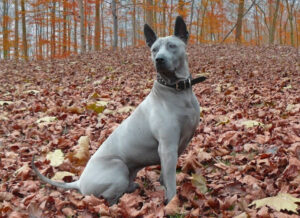
- Japanese Akita Inu – Known for its elegance and fox-like features, this variety has a narrower face, almond-shaped eyes, and a refined, graceful build. Coat colors are limited to white, red fawn, and brindle, and markings follow strict breed standards in Japan. The Akita Inu is often considered more reserved in temperament, with a dignified and loyal nature that reflects its traditional role as a companion and guardian in Japanese culture.
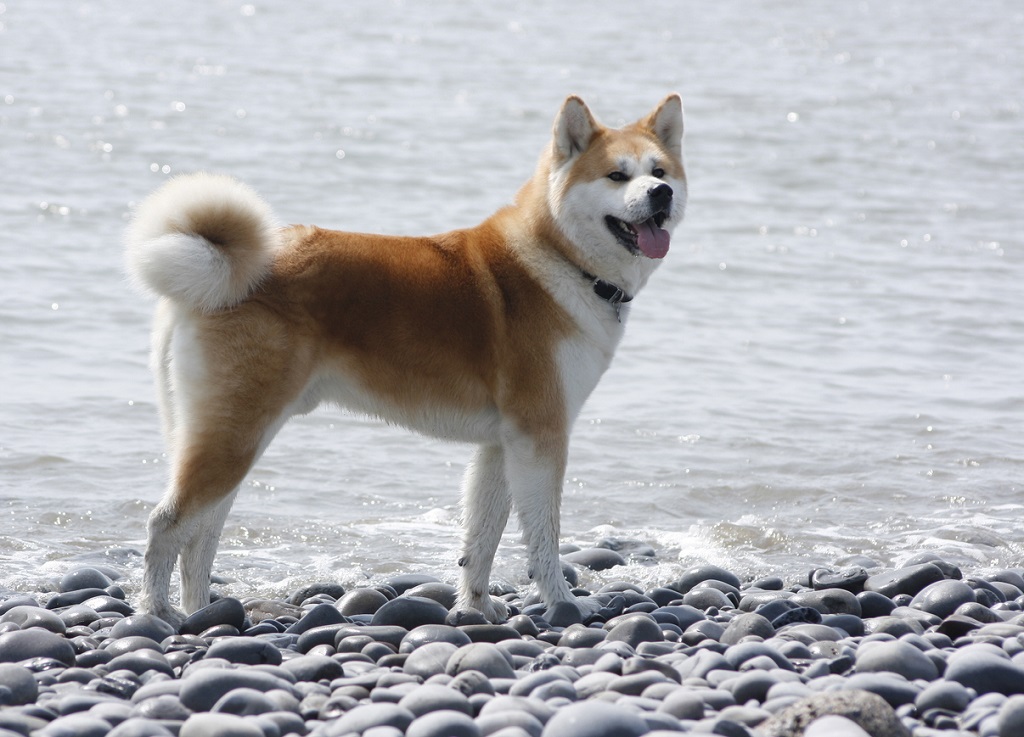
- American Akita – Larger, more robust, and bear-like in build, the American Akita has a broader head, heavier bone structure, and a dense, plush double coat. This type comes in a much wider range of coat colors and markings, including pinto, black mask, and solid patterns. Bred in the United States after World War II, the American Akita is generally more imposing in size and presence, while still sharing the loyalty, protectiveness, and intelligence that define the breed as a whole.

Physical Appearance
The Akita dog breed is a picture of power and grace. Key features include:
-
Size: Males stand about 26–28 inches tall and weigh between 100–130 pounds; females are slightly smaller.
-
Coat: Thick double coat with a soft undercoat and straight outer layer.
-
Colors: Japanese Akitas come in red fawn, sesame, brindle, and white; American Akitas can have nearly any color combination.
-
Tail: Plumed and curled over the back.
-
Face: Strong muzzle, dark almond-shaped eyes, and erect triangular ears.
Temperament and Personality
The Akita’s temperament is a fascinating blend of affection and independence:
-
Loyal and Devoted – They form deep bonds with their families and are famously protective.
-
Reserved with Strangers – Akitas are naturally suspicious of unfamiliar people, making them excellent watchdogs.
-
Quiet but Alert – They don’t bark unnecessarily, but they’ll make their presence known if something’s amiss.
-
Independent Thinkers – They have a mind of their own and may require extra patience in training.
Akitas thrive in homes where they’re given a clear role, structure, and respect. They are generally not suited for off-leash play unless in a secure area due to their high prey drive.
Training and Socialization
Early and consistent training is non-negotiable for the Akita dog breed.
Here are key training tips:
-
Start Early – Begin socialization as a puppy, exposing them to various people, animals, and environments.
-
Positive Reinforcement – Akitas respond best to rewards and praise, not harsh corrections.
-
Be Confident and Consistent – This breed respects firm but kind leadership.
-
Teach Impulse Control – Commands like leave it and stay are essential.
-
Socialize with Other Dogs – Akitas can be dog-selective, especially with same-sex dogs, so gradual introductions are important.
Obedience training isn’t just about control—it helps channel the Akita’s intelligence into positive behavior.
Exercise Needs
Akitas are moderately active dogs that benefit from:
-
Daily Walks – At least 45–60 minutes total per day.
-
Mental Stimulation – Puzzle toys, scent games, and obedience practice.
-
Structured Play – Fetch, agility training, or flirt pole sessions.
While they enjoy exercise, they’re not hyperactive. Overexertion should be avoided in hot weather due to their thick coat.
Grooming and Coat Care
The Akita’s double coat is both beautiful and high-maintenance. Grooming essentials include:
-
Brushing – At least once a week, daily during seasonal shedding (“blowing coat”).
-
Bathing – Every 8–12 weeks, or as needed.
-
Nail Trimming – Monthly to prevent discomfort.
-
Ear Cleaning – Weekly to avoid infections.
-
Teeth Brushing – Several times a week for dental health.
Twice a year, Akitas shed heavily—so prepare for fur tumbleweeds around your home.
Health and Lifespan
The Akita dog breed generally lives 10–13 years. While they’re robust dogs, they can be prone to certain health conditions:
-
Hip Dysplasia – A genetic joint disorder affecting mobility.
-
Hypothyroidism – Causes weight gain, lethargy, and coat changes.
-
Progressive Retinal Atrophy (PRA) – Gradual vision loss.
-
Autoimmune Disorders – Including pemphigus and lupus.
-
Bloat (Gastric Dilatation-Volvulus) – A life-threatening condition requiring immediate veterinary attention.
Regular vet checkups, a healthy diet, and preventive care can help maintain your Akita’s health.
Diet and Nutrition
A well-balanced diet is crucial for an Akita’s health and energy. Key feeding tips:
-
High-Quality Protein – From meat, fish, or poultry.
-
Controlled Portions – To prevent obesity, especially since Akitas are prone to hypothyroidism.
-
Avoid Bloat Risks – Feed smaller meals twice a day instead of one large meal.
-
Fresh Water Access – Always available.
-
Supplements – Consult your vet about omega-3 fatty acids for coat health and joint supplements for large breeds.
Living Environment
Akitas can adapt to various living situations but need:
-
Secure Fencing – They’re escape artists and can be territorial.
-
Indoor Time with Family – Akitas are not meant to live outdoors full-time.
-
Space – A yard is ideal, but daily walks and exercise can suffice for apartment living with a committed owner.
Fun Facts About the Akita Dog Breed
-
The Akita is considered a national treasure in Japan.
-
Helen Keller brought the first Akita to the United States in 1937.
-
In Japan, Akitas are often given as gifts to symbolize good health and happiness.
-
Their dense coat is water-resistant, aiding them in snowy and wet environments.
-
Despite their size, Akitas are surprisingly clean and often groom themselves like cats.
Is the Akita Dog Breed Right for You?
The Akita is a remarkable companion for the right owner—one who understands their independent nature, commits to early socialization, and can meet their exercise and grooming needs. They’re ideal for experienced dog owners seeking a loyal, protective family member.
However, they may not be the best choice for first-time dog owners or households with multiple same-sex dogs.
Key Takeaways
-
Loyal & Protective – The Akita will guard its family with quiet confidence.
-
Requires Training – Early and consistent socialization is crucial.
-
Moderate Exercise – Enough to keep them fit but not overworked.
-
Grooming Commitment – Regular brushing is a must.
-
Health Monitoring – Stay proactive with vet visits.
Final Thoughts
The Akita dog breed is more than just a beautiful canine—it’s a loyal protector, a dignified friend, and a symbol of devotion. If you’re ready to invest time, patience, and love, the Akita can be a lifelong companion who embodies strength, grace, and unshakable loyalty.