

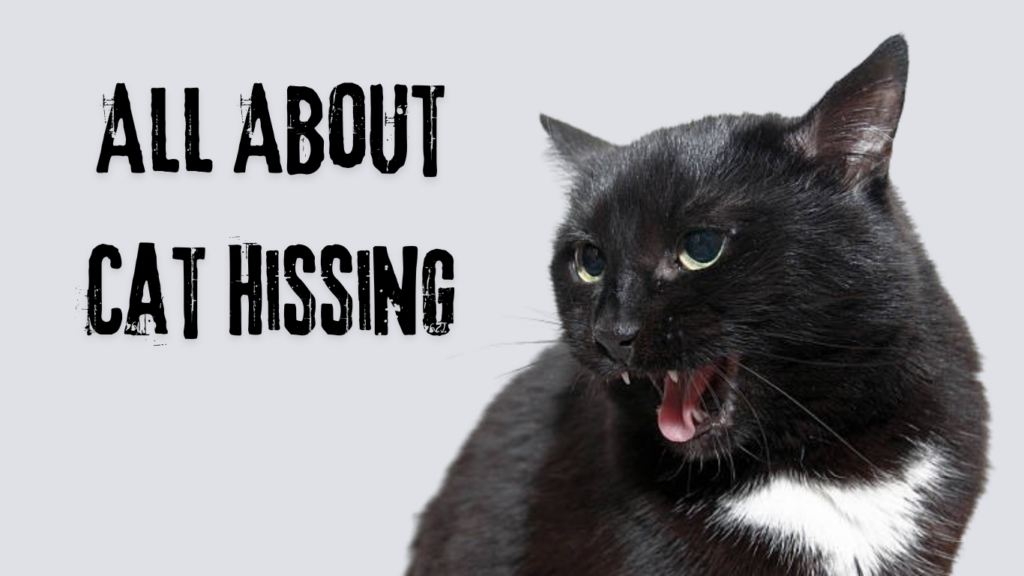


As a cat owner, few sounds are as startling or concerning as cat hissing. It’s that sharp, snake-like sound that signals something’s wrong—and often leaves us wondering what just happened and why. Whether it’s directed at a fellow feline, a dog, a guest, or even you, hissing is a clear message. But what exactly is your cat trying to say?
In this guide, we’ll explore the behavior of cat hissing, what it means, why it happens, and—most importantly—how you should respond to keep both you and your feline friend safe and stress-free.
What Is Cat Hissing?
Cat hissing is a defensive vocalization that sounds like a sudden, forceful exhale. It may be accompanied by a variety of other signs: arched back, flattened ears, dilated pupils, exposed teeth, or even a swipe of the paw. It’s a cat’s way of saying, “Back off!” or “I’m scared!”—not necessarily “I’m going to attack you.”
Hissing is a normal part of feline communication, especially in situations where the cat feels threatened or overstimulated.
Why Do Cats Hiss?
Understanding the reasons behind cat hissing can help you identify triggers and prevent future incidents. Here are the most common causes:
1. Fear or Threat
Hissing is primarily a fear response. When a cat feels cornered, surprised, or threatened, hissing is used as a warning. It’s not a sign of aggression but of self-defense.
Common fear triggers include:
-
New people or animals
-
Sudden loud noises
-
Unfamiliar environments
-
Fast or rough handling
2. Pain or Illness
If your usually calm cat suddenly starts hissing, it could be a sign they’re in pain. Cats with injuries or illnesses might hiss when touched or approached, especially near sore spots.
If the hissing is new and consistent, a veterinary check-up is recommended to rule out conditions like arthritis, dental pain, or urinary tract issues.
3. Territorial Behavior
Cats are territorial creatures, and hissing can be a way of defending their space from other animals—particularly other cats. This is especially common during initial introductions between pets or if your cat sees a stray outside through the window.
4. Overstimulation
Some cats enjoy being petted—until they don’t. When a cat gets overstimulated, it may hiss as a warning to stop. You might notice this during long petting sessions when the cat’s tail starts twitching or their ears tilt back.
5. Maternal Instinct
A mother cat may hiss to protect her kittens, especially if she feels that her litter is being threatened. Even a familiar person or animal could trigger this defensive response.
How to Respond to Cat Hissing
It can be upsetting or even a little scary when a cat hisses at you, but your response plays a key role in resolving the tension and preventing escalation.
1. Don’t Punish the Cat
It’s essential to remember that hissing is a warning, not an act of aggression. Never yell, hit, or spray water at a hissing cat. This will only increase their fear and damage your relationship.
2. Give Them Space
If your cat is hissing, back off immediately. Give them time to calm down in a safe, quiet area. Never try to force interaction when your cat is displaying signs of stress.
3. Identify and Remove the Trigger
Look around—what might have caused the hiss? Another animal? A visitor? Loud music? Once you identify the trigger, remove or distance your cat from it if possible.
4. Use Calming Techniques
-
Speak in a soft, soothing voice.
-
Avoid direct eye contact, which can seem confrontational.
-
Provide a cozy hiding spot or retreat area where your cat can feel secure.
-
Consider using pheromone diffusers like Feliway to reduce stress.
5. Reintroduce Slowly
If the hissing is due to a new pet or person, slow introductions are key. Use scent swapping, feeding in the same room (but at a safe distance), and supervised play sessions to gradually build comfort.
When to See a Vet or Behaviorist
While occasional hissing is normal, repeated or escalating hissing—especially from a previously friendly cat—could be a sign of a deeper issue. You should consult a veterinarian or a feline behaviorist if:
-
The hissing is sudden and frequent.
-
It occurs during gentle handling.
-
It’s accompanied by hiding, aggression, or changes in eating and grooming habits.
-
The cat shows signs of injury or illness.
A professional can rule out medical causes and help develop a behavior management plan tailored to your cat’s needs.
How to Prevent Cat Hissing
Though you can’t eliminate cat hissing entirely—it’s part of a cat’s natural vocabulary—you can reduce its frequency with a proactive approach:
-
Respect your cat’s body language. Stop petting when you notice tail flicks, skin twitching, or ears flattening.
-
Socialize kittens early. Introduce them to people and other pets while they’re young and impressionable.
-
Maintain a routine. Cats love predictability. Feed, play, and rest at consistent times to reduce anxiety.
-
Create vertical space. Cat trees and shelves let your cat observe from a distance when they’re feeling unsure.
-
Avoid forcing interactions. Let your cat choose when they want to engage.
Cat hissing is not a sign of a bad cat—it’s a natural, healthy form of communication. Your feline friend is simply trying to tell you they’re uncomfortable or afraid. By listening to the hiss, respecting your cat’s space, and using gentle techniques to build trust, you’ll strengthen your bond and help your cat feel safe.
Understanding the “why” behind the hiss helps you respond with compassion instead of frustration. And when your cat sees you as someone who respects their boundaries, you’ll both be on the path to a calmer, more harmonious home.
If you’d like help with a hissing cat or advice on introducing new pets, consult your vet or a certified cat behaviorist. The more you understand your cat, the better you can meet their needs—hiss and all.