


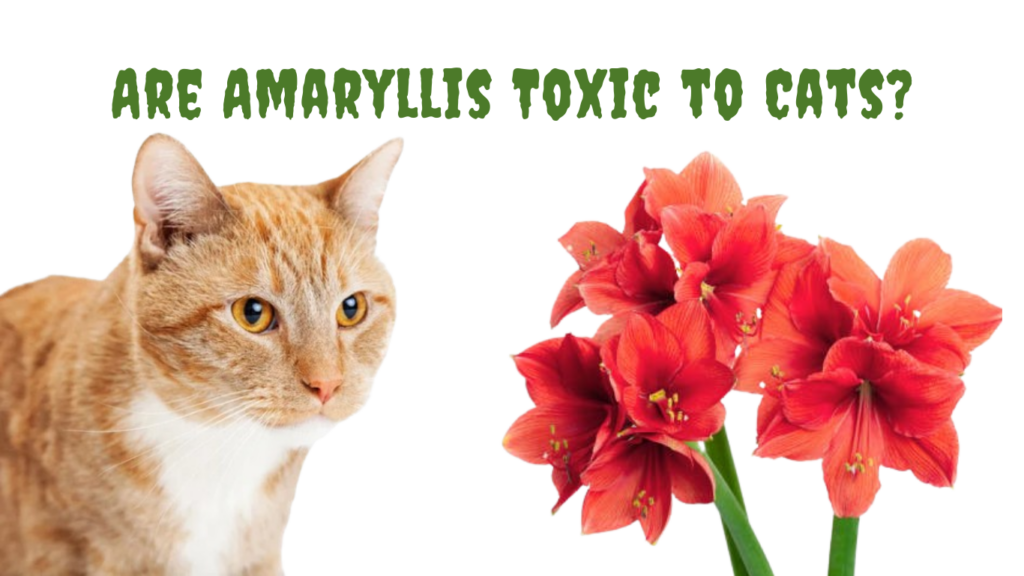
Amaryllis is toxic to cats, and if you’re a cat parent and a plant lover, you might be surprised to learn that some of the most beautiful plants in your home could pose a serious threat to your feline friend. Among them is the vibrant and festive amaryllis. With its stunning trumpet-shaped blooms and popularity during the holidays, it might look harmless—but it’s not. Knowing the risks is crucial to keeping your pet safe.
In this post, we’ll uncover the dangers of amaryllis, what symptoms to watch for, and how to protect your cat from accidental poisoning.
What Is Amaryllis?
Amaryllis is a popular flowering plant often seen in homes during the winter months. It’s a part of the Amaryllidaceae family and is prized for its bold, colorful blooms. While it brings beauty to any space, it also brings danger for pets—especially cats.
Amaryllis contains lycorine, a toxic alkaloid that can trigger a wide range of unpleasant and potentially serious symptoms in cats.


Why Is Amaryllis Toxic to Cats?
The main culprit is lycorine, which affects the gastrointestinal system. All parts of the plant are considered toxic—especially the bulb, which holds the highest concentration of toxins. Ingestion of even small amounts can cause health issues, and in larger doses, it can be fatal without prompt treatment.
According to the ASPCA, amaryllis is classified as toxic to cats, dogs, and horses. Cats are particularly at risk due to their curious nature and habit of nibbling on plants.
Symptoms of Amaryllis Poisoning in Cats
If your cat has ingested amaryllis, symptoms may appear within a few hours. Keep an eye out for the following signs:
-
Drooling or excessive salivation
-
Lethargy
-
Loss of appetite
-
Abdominal pain
-
Tremors
-
Hypotension (low blood pressure)
In severe cases, ingestion may lead to more dangerous complications like dehydration or organ failure. The earlier you seek help, the better your cat’s chances of recovery.
What to Do If Your Cat Eats Amaryllis
1. Act Quickly
Time is critical. If you suspect your cat has eaten any part of the amaryllis plant, contact your veterinarian immediately or call a pet poison helpline such as the ASPCA Animal Poison Control Center (888-426-4435).
2. Do Not Induce Vomiting on Your Own
Unless instructed by a vet, don’t try to induce vomiting. Home remedies can sometimes make the situation worse.
3. Gather Information
Take note of how much your cat might have eaten and which part of the plant was consumed. Bring a sample of the plant with you if you’re going to the vet.
4. Follow Through with Veterinary Care
Your vet may administer treatments like activated charcoal, IV fluids, anti-nausea medications, or other supportive therapies to help your cat recover.
How to Keep Cats Safe from Amaryllis
1. Avoid Bringing Amaryllis into Cat Homes
The simplest solution is to not have amaryllis in homes with cats. Opt for pet-safe flowers and plants instead.
2. Place Plants Out of Reach
If you already have an amaryllis, place it in a room or location your cat cannot access. However, this is not foolproof—cats are expert climbers and explorers.
3. Educate Family and Friends
Let anyone who may gift you plants or flowers know that you have a cat and prefer non-toxic options. Many people don’t realize certain plants are harmful to pets.
4. Use Pet-Safe Deterrents
You can use citrus sprays or motion-activated pet deterrents around off-limit plant areas. Cats generally dislike citrus scents.
5. Create a Cat-Safe Garden or Plant Space
Consider planting cat-friendly greenery like cat grass, catnip, or spider plants that are non-toxic and satisfying for curious kitties to chew on.
Safe Alternatives to Amaryllis
Love the look of amaryllis but want something safer for your pet? Here are a few pet-friendly flowering alternatives:
-
Orchids
-
African violets
-
Rosemary
-
Spider plants
-
Boston ferns
These plants can brighten your home without putting your feline family members in harm’s way.
Amaryllis toxic to cats is a serious concern for pet parents. While these flowers are stunning and festive, they’re best kept out of reach—or out of the house altogether—if you share your space with a cat. Being proactive and informed is the best way to protect your fur baby from accidental poisoning.
Always read labels, research plants before bringing them into your home, and keep your vet’s number handy just in case.
FAQs: People Also Ask
Q: Can cats die from eating amaryllis?
Yes, in severe cases, ingestion of a large amount of amaryllis—especially the bulb—can be fatal if left untreated.
Q: Are amaryllis toxic to other pets too?
Yes. Amaryllis is also toxic to dogs and horses, though symptoms may vary slightly across species.
Q: What should I do if I want to keep both cats and flowers at home?
Stick to non-toxic plants and place them where your cat cannot reach. Always double-check a plant’s safety with the ASPCA toxic plant list.
Q: How long does it take for poisoning symptoms to show?
Symptoms may appear within hours after ingestion. Immediate vet care is crucial.