

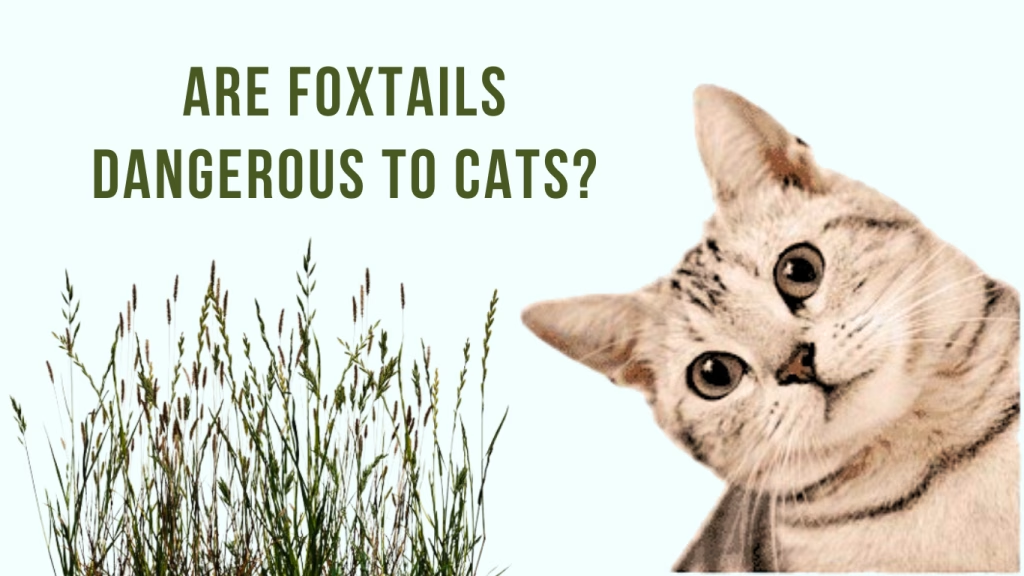


Letting your cat roam the outdoors or explore the backyard seems harmless—until nature hides a threat in plain sight. One of the most overlooked dangers for outdoor cats is a sneaky little plant known as the foxtail. While it might sound cute, foxtails and cats are a dangerous combination every pet owner needs to understand.
Foxtails are more than just a seasonal annoyance—they can be life-threatening. These barbed grass awns can burrow into your cat’s skin, ears, eyes, nose, and even internal organs. If left untreated, they can cause infections, abscesses, and serious medical complications.
This guide will help you recognize foxtails, understand why they’re so hazardous, and learn how to protect your feline friend from these hidden spikes of danger.
What Exactly Are Foxtails?
Foxtails are the seed-bearing spikes of certain wild grasses, commonly found in dry, grassy areas of North America, especially in the spring and summer months. These grasses include Hordeum murinum (wild barley), Bromus species, and Festuca varieties.
When mature, these seeds dry out and become sharp, barbed structures that detach easily from the plant. Their shape and texture allow them to move only in one direction—deeper into your cat’s body. That’s what makes them so dangerous.
You’ll recognize a foxtail by its brush-like appearance, which resembles the bushy tail of a fox. They look innocent at first glance but act like tiny arrows once embedded in fur, skin, or tissue.


Why Are Foxtails Dangerous to Cats?
Foxtails don’t just get stuck—they penetrate. Unlike a burr or a thorn that stays put, foxtails are designed by nature to keep moving forward, especially when your cat licks, scratches, or walks around. This leads to:
-
Inflammation
-
Abscess formation
-
Infections
-
Internal damage if not detected in time
Common Trouble Spots:
-
Nose: Cats may inhale foxtails while sniffing. This can cause sneezing, nasal discharge, and even respiratory distress.
-
Ears: Foxtails can enter the ear canal, causing head shaking, pawing, or even hearing loss.
-
Eyes: Embedded foxtails can lead to squinting, redness, swelling, or ulcers on the cornea.
-
Paws: Between the toes is a classic hiding spot. You may notice limping, licking, or swelling.
-
Skin: Foxtails can enter the skin and migrate deep into the body, forming painful abscesses.
Unlike other foreign objects, foxtails don’t break down in the body. Once inside, they continue to move, and in severe cases, they can reach vital organs—making veterinary intervention essential.
Signs Your Cat May Have a Foxtail Problem
Early detection can make a huge difference. Watch out for these warning signs that could indicate a foxtail is embedded:
-
Sneezing fits or nasal discharge (may be bloody)
-
Head shaking, ear scratching, or tilting
-
Red, watery, or swollen eyes
-
Limping or excessive licking of paws
-
Swelling, redness, or sores on the skin
-
Loss of appetite or lethargy
If your cat exhibits any of these symptoms, don’t wait it out—schedule a vet visit immediately. The longer a foxtail remains in the body, the more difficult and dangerous it becomes to remove.
How Vets Treat Foxtail Injuries in Cats
If a foxtail is lodged in a visible area like the paw or outer ear, your vet may be able to remove it manually using forceps or tweezers. However, in more complex cases, such as when the foxtail has migrated deeper or is lodged in a sensitive area (like the lungs or eyes), sedation or even surgery may be required.
Treatment often includes:
-
Sedation or anesthesia for proper inspection and removal
-
Antibiotics to prevent or treat infection
-
Drainage of abscesses
-
Flushing of the ear, eye, or nasal passages
-
Imaging tools (like X-rays or ultrasound) in advanced cases
Prompt treatment usually results in full recovery, but delayed care can lead to serious complications or chronic infections.
How to Prevent Foxtail Injuries in Cats
Prevention is always better (and cheaper) than treatment. While it’s impossible to eliminate every foxtail in the wild, you can take proactive steps to keep your cat safe.
1. Avoid Foxtail Hotspots
Foxtails grow in:
-
Dry grassy fields
-
Roadsides
-
Parks
-
Hiking trails
Try to avoid letting your cat roam in these areas, especially during late spring through early fall when foxtails are most active.
2. Regular Grooming and Inspection
Check your cat daily, especially if they go outside. Focus on:
-
Paws and between toes
-
Ears
-
Eyes
-
Armpits and belly
-
Tail and backside
Brushing your cat after outdoor time can help catch any loose foxtails before they burrow in.
3. Keep Your Yard Safe
If you have a backyard:
-
Mow regularly to prevent grasses from maturing and seeding
-
Remove weeds and foxtail-prone grasses
-
Consider using pet-safe landscaping alternatives like clover, artificial turf, or ornamental ground covers
4. Use Protective Gear (if necessary)
While more common for dogs, there are protective boots and clothing designed for pets that may also help adventurous cats avoid injury—especially if they hike or explore rough terrain with you.
5. Consider Making Your Cat an Indoor-Only Pet
While it may not be ideal for everyone, transitioning to an indoor lifestyle with plenty of enrichment, toys, window perches, and catios can dramatically reduce exposure to foxtails and other outdoor hazards.
Protecting Your Cat from Foxtail Dangers
While it might be tempting to let your cat explore freely, it’s essential to weigh that freedom against real risks like foxtails. The sharp, barbed nature of these grass seeds makes them a serious health hazard, capable of causing infections, pain, and costly vet visits.
By staying alert, regularly inspecting your cat, and taking precautions in your yard and on walks, you can help avoid the heartbreak—and the vet bills—that come with foxtail injuries.
Remember:
When it comes to foxtails and cats, awareness is your first line of defense.