

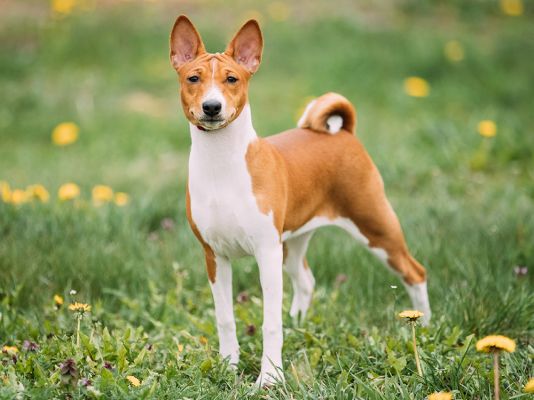

If you’re looking for a dog that’s intelligent, elegant, and refreshingly quiet, meet the Basenji dog—a truly one-of-a-kind companion. Known as the “barkless dog,” the Basenji doesn’t yap like other breeds, but don’t let that fool you—this breed is bursting with personality, charm, and energy. Originating from Central Africa and revered for its hunting prowess and unique vocalizations, the Basenji is one of the most ancient and intriguing dog breeds in the world.
In this comprehensive Basenji dog breed profile, you’ll discover its origins, temperament, care needs, and some of the most unusual traits that make this dog a standout among canine companions.
History and Origins of the Basenji Dog
The Basenji dog is believed to have originated in Central Africa, specifically in the Congo region. This breed was developed for hunting small game in dense forest environments. African tribes prized the Basenji for its speed, intelligence, and ability to track prey silently—qualities that have carried through to the modern-day Basenji.
The breed’s ancient lineage is often supported by historical artifacts—images of Basenji-like dogs have been found in Egyptian tombs and sculptures, suggesting the breed has existed for thousands of years.
The Basenji was introduced to England and North America in the early 20th century. While it remains relatively rare compared to more mainstream breeds, it has earned a dedicated following among dog lovers who appreciate its elegance, independence, and clean nature.
Physical Characteristics
The Basenji dog has a regal and refined appearance, often described as cat-like in its cleanliness and movement. Here’s a quick look at its defining features:
-
Size: Small to medium-sized
-
Height: 16 to 17 inches at the shoulder
-
Weight: 22 to 24 pounds
-
Lifespan: 12 to 16 years
-
Coat: Short, fine, and low-shedding
-
Colors: Chestnut red, black, tricolor (black and tan with white), and brindle—all with white on the chest, feet, and tail tip
Its almond-shaped eyes, tightly curled tail, and expressive face give the Basenji a striking and intelligent look. Their upright ears and proud stance only add to their graceful charm.
The Barkless Wonder: Why Doesn’t the Basenji Bark?
Perhaps the most fascinating trait of the Basenji dog is its lack of a traditional bark. Instead, the Basenji makes a series of unique vocalizations that are often described as yodels or howls. This sound, known as a “baroo,” is a result of the breed’s uniquely shaped larynx.
This doesn’t mean the Basenji is silent—far from it! They can be quite vocal when excited, anxious, or trying to communicate. But you won’t have to worry about excessive barking disturbing your neighbors, which makes the breed ideal for apartment dwellers or those seeking a quieter canine companion.
Personality and Temperament
The Basenji is an intriguing mix of aloofness, curiosity, and playfulness. Their personality is both cat-like and canine, offering a refreshing twist for experienced dog owners. Here’s what to expect:
1. Independent Thinker
Basenjis are incredibly intelligent, but they’re also independent. They often prefer to do things their way, which can be mistaken for stubbornness. Training requires patience, positive reinforcement, and a good sense of humor.
2. Loyal but Not Clingy
Basenjis form strong bonds with their families but aren’t typically clingy. They may follow you from room to room, but they won’t constantly demand attention. They’re affectionate in their own subtle way.
3. Highly Energetic and Playful
This breed thrives on mental stimulation and physical exercise. They love to run, play, and explore. Without proper outlets for their energy, Basenjis can become bored—and a bored Basenji is often a destructive one.
4. Alert and Curious
Basenjis are naturally curious and always on alert. They love to investigate smells, sights, and sounds. This trait makes them good watchdogs, though not aggressive.
Unique Traits That Set the Basenji Dog Apart
The Basenji dog is far from ordinary. Here are some of the standout traits that make this breed truly one of a kind:
-
Barkless but Vocal: Their yodel-like sounds are unlike anything you’ll hear from another breed.
-
Cat-Like Grooming: Basenjis groom themselves like cats and have minimal odor.
-
Climbing and Jumping Skills: Don’t be surprised if your Basenji finds creative ways to scale furniture or fences.
-
Clean and Tidy: Their fastidious grooming and low-shedding coat make them great for people with allergies or those who want a low-maintenance home.
-
Escape Artists: Their intelligence and agility make them prone to escaping fenced yards if left unsupervised.
Basenji Dog Care Guide
Caring for a Basenji is rewarding, but they are not ideal for first-time dog owners. Here’s how to meet their physical and emotional needs:
1. Exercise Needs
Basenjis are high-energy dogs that require daily physical activity. Long walks, playtime in secure fenced areas, and mentally stimulating games are essential.
-
Suggested Activities: Agility training, scent games, fetch, puzzle toys, and supervised off-leash running in secure areas
2. Training and Socialization
Early socialization and consistent, positive training are vital. Basenjis respond best to reward-based methods. Harsh discipline will only make them shut down or resist.
-
Start Young: Expose your Basenji to various people, pets, and environments early on.
-
Keep Training Fun: Incorporate toys and treats to hold their attention.
3. Diet and Nutrition
Feed your Basenji a high-quality dog food appropriate to their age and energy level. Because of their active nature, a protein-rich diet helps maintain lean muscle mass.
-
Portion Control: Basenjis can be picky eaters but also prone to weight gain if overfed.
4. Grooming
Minimal grooming is needed for a Basenji.
-
Brushing: Once a week with a soft-bristle brush
-
Bathing: Only occasionally, unless they get into something messy
-
Dental and Nail Care: Brush teeth regularly and trim nails every few weeks
5. Health and Wellness
Basenjis are generally healthy, but like all breeds, they can be prone to certain conditions:
-
Fanconi Syndrome: A serious kidney disorder; early detection through genetic testing is crucial.
-
Hip Dysplasia
-
Progressive Retinal Atrophy (PRA)
Routine veterinary care and genetic screening from responsible breeders can help avoid many of these issues.
Is the Basenji Dog Right for You?
The Basenji dog is best suited for experienced dog owners who appreciate a challenge and enjoy a quirky, independent pet. They’re great for:
-
Active individuals or families
-
People who enjoy outdoor activities
-
Those living in noise-sensitive environments
-
Multi-pet households (with proper introductions)
On the flip side, Basenjis might not be ideal if you:
-
Want a dog that obeys instantly or is easy to train
-
Need a cuddly lap dog
-
Can’t provide daily exercise and mental enrichment
Where to Find a Basenji
Due to their rarity, finding a Basenji dog may take time. Reputable breeders who perform genetic health testing are your best bet. You can also check with breed-specific rescues or shelters.
-
Rescue Organizations: Basenji Rescue & Transport (BRAT) and other breed-specific rescues often have adults available for adoption.
-
Breeder Checklist: Look for breeders affiliated with national Basenji clubs or organizations like the AKC or UKC.
The Basenji dog is a fascinating and ancient breed that defies the norm. From its barkless vocalizations to its independent spirit and cat-like grooming habits, this dog is full of surprises. While not for everyone, the Basenji is a loyal, intelligent, and endlessly curious companion for those who understand and appreciate its unique needs.
If you’re ready to share your life with a dog that combines elegance, energy, and just the right amount of mischief, the Basenji may be your perfect match.