


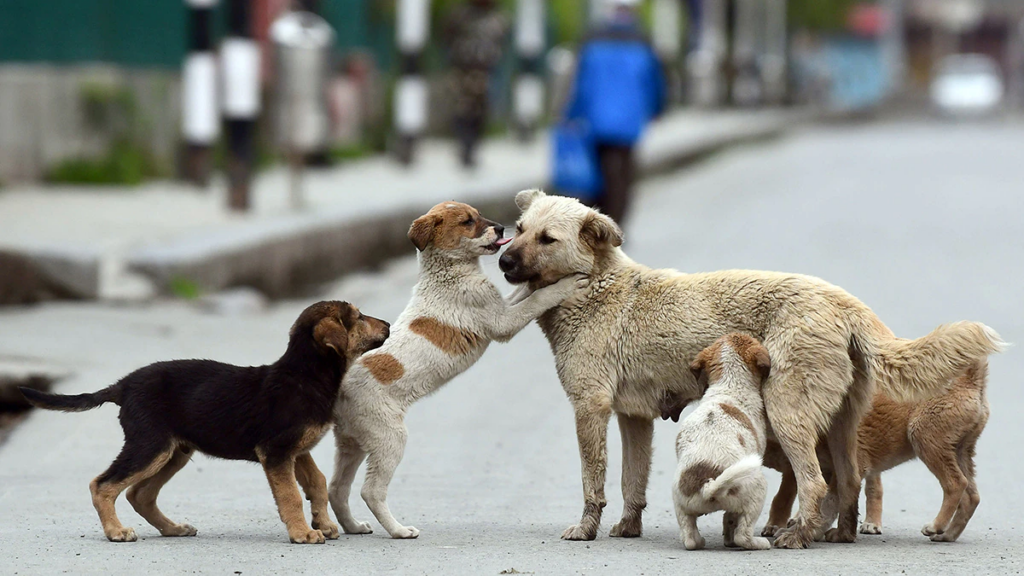


When you encounter a stray dog on the street, have you ever wondered what drives their actions? Understanding the behaviors of stray dogs is crucial for both your safety and their well-being. Whether these dogs were born on the streets or became separated from their homes, their behaviors differ significantly from those of household pets.
Street dogs have developed remarkable survival instincts that shape every aspect of their daily lives. From scavenging for food to forming social bonds, these animals navigate a complex world that most domesticated dogs never experience. This comprehensive guide will explore the fascinating psychology behind stray dog behavior and help you understand what makes these resilient animals tick.
The Psychology Behind Stray Dog Behavior
Survival Instincts vs. Domestic Conditioning
The most significant difference between stray dogs and pets lies in their mental conditioning. Street dogs operate on heightened survival instincts, while domestic dogs rely more on learned behaviors from human interaction. This fundamental difference influences every aspect of how strays act in their environment.
According to the American Veterinary Medical Association, stray dogs develop specific behavioral adaptations to survive without human care. These adaptations include:
- Enhanced vigilance and awareness of surroundings
- Quick decision-making abilities
- Increased territorial awareness
- Resourceful scavenging techniques
- Complex social hierarchies
Common Behaviors of Stray Dogs in Different Situations
1. Fear and Anxiety Responses


Stray dogs frequently experience fear and anxiety in unfamiliar situations. These emotions manifest through:
- Defensive posturing (lowered head, tucked tail)
- Avoidance behaviors (hiding, fleeing)
- Stress signals (yawning, lip licking, whale eye)
- Potential aggression when cornered
Understanding these fear responses is crucial for safely interacting with street dogs. The ASPCA recommends giving strays plenty of space and avoiding direct eye contact initially.
2. Roaming and Territorial Behaviors
Street dogs typically establish territories and regular roaming patterns. These behaviors include:
- Patrolling specific neighborhoods or areas
- Marking territory with urine
- Defending resources like food sources and shelter
- Following established routes during daily activities
A study by the World Animal Protection found that most strays maintain territories of 2-5 square kilometers, depending on resource availability.
3. Social Interaction and Pack Formation
Contrary to popular belief, not all stray dogs live in packs. However, many do form social groups for survival benefits:
| Social Structure | Characteristics | Frequency | Benefits |
|---|---|---|---|
| Solitary | Single dogs who avoid groups | 30-40% | Less competition for resources |
| Pairs | Two dogs traveling together | 20-30% | Mutual protection, companionship |
| Small Packs | 3-6 dogs with loose hierarchy | 20-25% | Enhanced security, shared resources |
| Large Packs | 7+ dogs with strict hierarchy | 5-10% | Maximum protection, coordinated hunting |
Why Do Stray Dogs Form Packs?
Stray dogs form packs primarily for survival advantages including protection from threats, increased hunting success, warmth during cold weather, and social companionship. Pack formation allows strays to defend territories more effectively and locate food sources through cooperative behavior.
Scavenging and Resource Management


Scavenging behaviors represent a core aspect of street dog psychology. These behaviors include:
-
Systematic searching patterns
- Following regular routes to known food sources
- Checking garbage bins at specific times
- Monitoring restaurant back alleys
-
Resource guarding
- Protecting valuable food finds
- Establishing hierarchy around resources
- Caching excess food for later
-
Opportunistic feeding
- Accepting handouts from humans
- Hunting small prey when available
- Eating diverse food items for survival
Reproduction and Maternal Behaviors
Reproductive behaviors significantly impact stray dog populations. According to Humane Society International, a single unspayed female stray can produce up to 67,000 descendants in six years.
Key reproductive behaviors include:
- Seasonal mating patterns
- Protective maternal instincts
- Communal puppy rearing in some packs
- Early socialization of puppies to street life
Aggression Patterns in Stray Dogs
Understanding aggression in street dogs helps prevent conflicts:
Types of Aggression:
-
Fear-based aggression
- Occurs when dogs feel threatened
- Usually preceded by warning signs
- Can be avoided by giving space
-
Resource guarding
- Protecting food, shelter, or territory
- Common in areas with limited resources
- More intense in competitive environments
-
Predatory behavior
- Directed at small animals
- Part of natural hunting instincts
- Serves survival purposes
How to Safely Interact with Stray Dogs
Do’s and Don’ts
| Do | Don’t |
|---|---|
| Move slowly and calmly | Make sudden movements |
| Allow the dog to approach you | Force interaction |
| Speak in soft, gentle tones | Use loud or harsh voices |
| Offer food from a distance | Hand-feed unknown strays |
| Contact local animal services if concerned | Attempt to capture the dog yourself |
The Impact of Human Interaction on Stray Dog Behavior


Human interaction significantly influences how strays act. Regular positive interactions can lead to:
- Increased trust in humans
- Reduced fear responses
- More predictable behavior patterns
- Better integration into communities
The International Companion Animal Management Coalition emphasizes that community-based approaches to stray dog management yield the best results for both humans and animals.
Health and Behavioral Concerns
Stray dogs face numerous health challenges that affect their behavior:
- Malnutrition leading to increased aggression over food
- Parasites causing discomfort and irritability
- Injuries resulting in defensive behaviors
- Disease transmission risks affecting social patterns
Rehabilitation and Adaptation to Domestic Life
When street dogs are rescued, their behaviors gradually change:
-
Initial adjustment period (1-3 months)
- High anxiety levels
- Resource guarding
- Difficulty with house training
-
Intermediate phase (3-6 months)
- Developing trust
- Learning house rules
- Reduced survival behaviors
-
Long-term adaptation (6+ months)
- Increased comfort with humans
- Normalized eating patterns
- Integration into family life
Community Solutions for Stray Dog Management
Effective approaches to managing stray dog populations include:
- Trap-Neuter-Return (TNR) programs
- Community feeding stations
- Education about responsible pet ownership
- Vaccination campaigns
- Foster and adoption initiatives
Conclusion
Understanding the behaviors of stray dogs reveals the remarkable adaptability of these animals. Their actions, driven by survival instincts and shaped by their environment, demonstrate both the challenges they face and their incredible resilience. By recognizing these behavioral patterns, we can better coexist with street dogs and work toward humane solutions for their welfare.
Whether you’re encountering a stray on your daily walk or considering rescuing one, knowledge of street dog psychology is invaluable. These insights help create safer interactions and more effective community management strategies.
What experiences have you had with stray dogs in your neighborhood? Share your stories and insights in the comments below, or read some other blogs.