



Among the world’s shepherd dogs, the Berger Picard stands out—not just for its scruffy good looks, but for its rarity, intelligence, and charm. Hailing from the Picardy region of France, this rustic breed has survived wars, near extinction, and decades of obscurity. Today, the Berger Picard is gaining popularity with dog lovers who appreciate its loyalty, versatility, and low-maintenance appeal.
If you’re curious about this rare gem of a dog—or considering one as your next four-legged companion—read on to learn everything you need to know about the Berger Picard, including its origins, unique traits, and how to care for it.
The Origins of the Berger Picard
The Berger Picard, also known as the Picardy Shepherd, is one of the oldest French herding breeds. It likely dates back to at least the 9th century and shares ancestry with other European sheepdogs. Originating in the northern French region of Picardy, the breed was used by farmers to herd sheep and cattle across rugged terrain.
Despite its long history, the Berger Picard nearly disappeared during both World Wars, as battles ravaged northern France. Its numbers dwindled, and the breed remained largely unknown outside its native region. Thanks to a small but dedicated group of enthusiasts, the Berger Picard has made a quiet comeback in recent decades.
The breed was officially recognized by the French Kennel Club in 1925 and later by the American Kennel Club (AKC) in 2015 under the herding group.


What Makes the Berger Picard Unique?
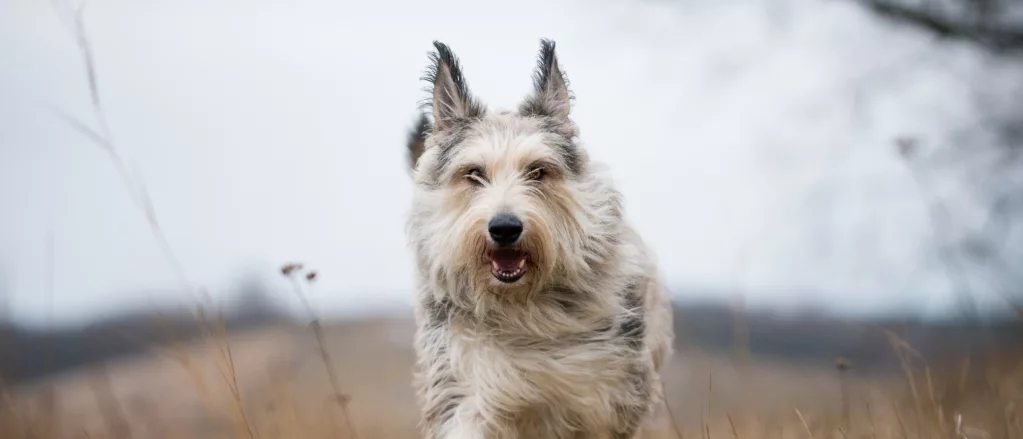
The Berger Picard doesn’t look like your typical shepherd dog. With a tousled coat, expressive eyes, and upright ears that look a bit too big for its head, the Picard has a rough-hewn charm that’s impossible to miss.
Physical Characteristics
-
Size: Medium-sized dogs, males stand about 23.5–25.5 inches tall at the shoulder and weigh 60–70 pounds; females are slightly smaller.
-
Coat: The coat is harsh and wiry, about 2–3 inches long, with a slight wave. It’s weather-resistant, ideal for farm life.
-
Colors: Berger Picards come in fawn or brindle variations, with darker shading on the ears and muzzle.
-
Eyes: Dark and oval, giving the dog a kind, alert expression.
-
Tail: Long and slightly curved, carried low when relaxed.
Their appearance is natural and unrefined—no sculpted haircuts or excessive grooming required here!
Temperament and Personality
Beneath their scruffy exterior, Berger Picards are intelligent, loyal, and deeply devoted to their families. Bred as working dogs, they are naturally alert and quick learners, but they also have a sensitive side.
Key Temperament Traits:
-
Loyal: They form strong bonds with their humans and don’t do well if left alone for long periods.
-
Reserved with Strangers: Not aggressive, but naturally cautious—early socialization is key.
-
Playful and Energetic: Especially with children and other dogs they know well.
-
Independent: Like many herding breeds, they can have a stubborn streak. Consistent training is important.
They thrive on human interaction and mentally stimulating tasks. While they’re not typically clingy, a Berger Picard will always want to be where you are—and will often quietly observe until it’s time to jump into action.
Is a Berger Picard Right for You?
While absolutely charming, Berger Picards aren’t for everyone. They need structure, activity, and attention to truly shine. Here’s a breakdown of what to consider:
Pros:
-
Low grooming needs despite their rough coat
-
Natural watchdog instincts
-
Great with active families
-
Adaptable to rural or suburban living
-
Generally healthy and long-lived
Cons:
-
Reserved with strangers (not ideal for social butterflies)
-
Needs daily physical and mental exercise
-
May chase smaller animals due to herding instinct
-
Not common—harder to find breeders or rescues
If you’re looking for a rare, intelligent companion with rustic charm, and you can provide time, space, and training, the Berger Picard may be the perfect fit.
How to Care for a Berger Picard
Owning a Berger Picard means committing to its physical, mental, and emotional well-being. Here’s a care breakdown to help you keep your Picard happy and healthy.
1. Exercise Needs
Berger Picards are herders at heart. They require at least 60–90 minutes of daily exercise, including walks, playtime, and structured training.
Great activities for Berger Picards:
-
Agility and obedience classes
-
Herding trials or sports
-
Long hikes or jogs
-
Fetch or tug-of-war in the backyard
Without sufficient activity, they may become bored or destructive.
2. Grooming
The Berger Picard’s coat may look wild, but it’s surprisingly easy to maintain.
-
Brushing: Once or twice a week with a slicker brush or comb to remove dirt and prevent mats.
-
Bathing: Rarely needed—only when dirty. Too much bathing can strip their natural oils.
-
Shedding: Moderate. Seasonal shedding increases during spring and fall.
They don’t need haircuts or frequent visits to the groomer. Bonus: they don’t drool or have a strong “doggy” odor.
3. Diet and Nutrition
Feed your Berger Picard a high-quality, balanced diet. Choose dog food that’s appropriate for their size, age, and energy level.
-
Portion control is key to prevent obesity.
-
Fresh water should always be available.
-
Treats are fine in moderation, especially during training.
If you’re unsure about what food to choose, consult your vet for guidance.
4. Health and Lifespan
The Berger Picard is generally a healthy breed with a lifespan of 12–14 years. However, they can be prone to a few genetic issues, such as:
-
Hip dysplasia
-
Progressive retinal atrophy (PRA)
-
Eye disorders
Ask your breeder for health clearances, and schedule regular vet visits for early detection of issues.
Training Your Berger Picard
Intelligent and eager to learn, the Berger Picard responds well to positive reinforcement training. However, they can also be sensitive and independent, so harsh correction doesn’t work.
Training Tips:
-
Start young: Puppy classes and early socialization are vital.
-
Be consistent: Use clear commands and reward-based methods.
-
Mix it up: Keep sessions short and engaging to avoid boredom.
-
Socialize: Expose them to people, places, and other animals early on.
This is a breed that wants to work with you—just make sure the work is interesting!
Where to Find a Berger Picard
Because the breed is rare, you’ll likely need to seek out responsible breeders or breed-specific rescues.
Finding a Reputable Breeder:
-
Look for breeders affiliated with national kennel clubs or the Berger Picard Club of America (BPCA).
-
Visit in person when possible.
-
Ask about health screenings, socialization, and early training.
Adoption may also be an option—some Berger Picards end up in rescues due to their unique needs. Check breed-specific groups and herding dog rescues for potential matches.
Why the Berger Picard is Truly One of a Kind
The Berger Picard is more than just a rare breed with a funny name and shaggy coat—it’s a loyal, loving, and intelligent dog that makes a wonderful companion for the right person. With a rich history, a low-maintenance coat, and a heart full of devotion, this shepherd dog has finally begun to get the recognition it deserves.
If you’re an experienced dog owner with the time, energy, and patience to raise a smart and spirited pup, the Berger Picard may just be the hidden gem you’ve been searching for.