

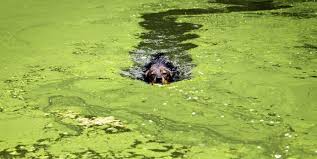

Picture this: a serene day by the lake, your furry friend splashing around in the water without a care in the world. Sounds idyllic, right? But lurking beneath the surface lies a perilous threat – blue-green algae dogs. While it may seem harmless, this microscopic menace can wreak havoc on your beloved canine companion’s health.
Understanding the Hazard: What is Blue-Green Algae?
So, what exactly is blue-green algae? Despite its pleasant, almost harmless-sounding name, blue-green algae is far from your average pond scum. In fact, it’s not algae at all. It’s a type of bacteria known as cyanobacteria—microscopic organisms that thrive in freshwater environments like lakes, ponds, and slow-moving rivers. When conditions are right, such as warm temperatures and an abundance of nutrients like phosphorus and nitrogen, these bacteria can multiply rapidly and form what’s known as a “bloom.” These blooms can spread across the surface of the water, giving it a thick, greenish appearance that may resemble spilled paint or pea soup.
What makes cyanobacteria especially concerning is their ability to produce toxins, some of which are highly dangerous to both humans and animals. These toxins can affect the liver, nervous system, or skin, and exposure—whether through drinking, swimming, or even just breathing in water droplets—can lead to serious health issues. Pets and livestock are particularly vulnerable, often attracted to the scummy water and suffering fatal consequences after ingestion. Because these blooms can develop quickly and aren’t always easy to detect visually, it’s important to stay informed and cautious when spending time near bodies of water, especially during hot summer months.
Spotting the Signs: Recognizing Blue-Green Algae Dogs Poisoning
Detecting blue-green algae poisoning in dogs isn’t always straightforward, and that’s what makes it so dangerous. This toxic algae, commonly found in warm, stagnant water like lakes, ponds, or slow-moving streams during the summer and early fall, can produce harmful toxins that pose serious health risks to pets. The term “Blue-Green Algae Dogs” often comes up in awareness campaigns, as more pet owners learn about this potentially fatal threat.
Symptoms can vary greatly depending on the type and amount of toxin ingested, as well as the size and overall health of the dog. In some cases, exposure may lead to mild skin irritation or allergic reactions, especially if the dog swims in or drinks the contaminated water. However, more severe poisoning can result in rapid-onset symptoms such as vomiting, diarrhea, excessive drooling, muscle tremors, disorientation, weakness, and even seizures.
Some toxins target the liver and can cause jaundice, abdominal pain, or potentially fatal liver failure. Others may affect the nervous system, leading to respiratory distress and difficulty breathing, which can become life-threatening within minutes to hours.
Because symptoms can appear quickly, early detection and immediate veterinary care are crucial. Staying informed about Blue-Green Algae Dogs could save your pup’s life.
Prevention is Key: How to Keep Your Dog Safe
Now that you’re aware of the dangers that harmful algae blooms can pose, it’s crucial to take proactive measures to protect your furry companion. These blooms, often found in lakes, ponds, and other still bodies of water, may contain toxins that are extremely dangerous to dogs—even in small amounts. Avoid allowing your pooch to swim, wade, or drink from water that appears discolored, has a scummy surface, or smells unpleasant. These are often signs of blue-green algae, which can be fatal if ingested.
Instead, always carry fresh, clean drinking water when heading outdoors and offer it frequently to discourage your dog from drinking from unsafe sources. Make it a habit to check for warning signs or advisories posted near recreational water areas, as local authorities often monitor and report the presence of hazardous conditions.
After any outdoor excursion, especially one that involves hiking, swimming, or playing near water, take the time to thoroughly rinse your dog’s coat and paws with clean water. This helps remove any potential contaminants that may have come into contact with their skin or fur. Staying informed and vigilant can go a long way in keeping your pet safe, happy, and healthy for many adventures to come.
Taking Action: What to Do if Your Dog is Exposed
Even with the most careful precautions, accidents can still happen—especially when it comes to hidden dangers like blue-green algae. These harmful algal blooms may appear as scum or a film on the surface of ponds, lakes, or other still water bodies. While they might look harmless, they can produce potent toxins that pose a serious threat to pets, particularly dogs who enjoy swimming, drinking from natural water sources, or even just licking their fur after exposure.
If you suspect your dog has come into contact with water contaminated by blue-green algae, it’s absolutely critical not to delay. Do not wait to see if symptoms develop or assume your dog will be fine. Immediate veterinary care is essential. Blue-green algae can cause severe illness and even death in a very short amount of time. Symptoms can appear rapidly—sometimes within minutes or hours—and may include vomiting, diarrhea, excessive drooling, weakness, disorientation, tremors, seizures, and in severe cases, respiratory failure.
Time is of the essence in these situations. Swift medical intervention can mean the difference between a full recovery and a heartbreaking outcome. Always err on the side of caution. If there’s any doubt, act fast—your furry friend’s life may depend on it.
Spreading Awareness: Educating Fellow Dog Owners
Knowledge is power, especially when it comes to keeping our beloved pets safe. Blue-green algae dogs, also known as cyanobacteria, can pose a serious threat to dogs, especially during the warmer months when it thrives in stagnant bodies of water like lakes, ponds, and even puddles. What makes it even more dangerous is how quickly it can affect a dog—sometimes within minutes of exposure. That’s why raising awareness about this hidden hazard is so important.
By sharing information about the dangers of blue-green algae, you’re not just protecting your own pet—you’re potentially saving the lives of many others. Talk about it with fellow dog owners during walks, at the dog park, or in your local pet community. Share articles, photos, or warnings on social media. Consider bringing it up at local community events or pet-focused gatherings. Even a simple conversation could make a difference.
Education is one of the strongest tools we have. The more people who know what to look for—like scummy, greenish water and warning signs posted near lakes—the more likely they are to avoid dangerous situations. Together, we can create a safer environment for all our four-legged friends through awareness, vigilance, and care.
Conclusion: Safeguarding Your Canine Companion
In conclusion, while the allure of a refreshing dip in the lake can be irresistible—especially during the warmer months—it’s essential for pet owners to remain cautious and informed when it comes to protecting their furry companions from the dangers of blue-green algae. This toxic algae, often found in stagnant or slow-moving bodies of freshwater, poses serious health risks to dogs, including vomiting, seizures, liver failure, and in severe cases, even death. What may look like a harmless swim can quickly turn into a life-threatening situation for blue-green algae dogs—those at risk of exposure due to their love of water.
Prevention is the key to safety. Always check local water advisories before allowing your dog to swim, and steer clear of water that appears discolored, has a foul odor, or contains visible scum or foam. Carry fresh water for your pet to drink, as even a few laps of contaminated lake water can be dangerous. If your blue-green algae dog does come into contact with questionable water, rinse them thoroughly and seek veterinary care at the first sign of illness.
By staying informed, taking proactive precautions, and acting quickly when potential exposure occurs, you can protect your pet from harm. With vigilance and care, blue-green algae dogs can continue to enjoy outdoor adventures safely for many happy, healthy years to come.