


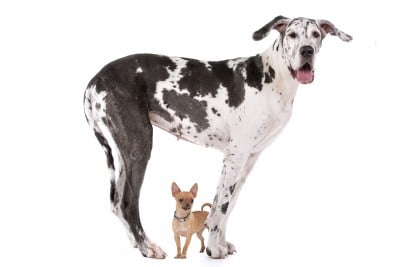


You’d think that size equals confidence—but that’s not always the case. If your big dog is afraid of small dogs, you’re not alone. It may seem funny at first, but fear-based behavior in dogs can escalate quickly if not addressed. In this guide, we’ll explore why your large pup might be intimidated by tiny canines and what you can do to help.
Why Your Big Dog Is Afraid of Small Dogs
1. Lack of Socialization
Big dogs that haven’t been properly socialized during their early months might be confused or scared by small dogs. They may not know how to interpret their high-pitched barks, frantic movements, or assertive energy.
2. Negative Past Experiences
If your big dog has ever been snapped at or bullied by a small dog, that memory can stick. Dogs don’t forget negative encounters easily, and even one incident can create lasting fear.
3. Small Dogs Move Differently
Small dogs often move faster, bark more frequently, and may dart around erratically. This unpredictability can startle or stress out bigger dogs, especially if they’re more mellow in temperament.
4. Protective Instinct Gone Awry
Some large dogs are naturally protective. When a small dog charges up to them yapping, your big pup might not know how to respond without feeling like they’re under threat—resulting in either retreat or fear.
5. Mismatched Play Styles
Play styles between big and small dogs can be drastically different. Large dogs may prefer rough-and-tumble games, while small dogs can be more alert and vocal. Your big dog may sense this disconnect and opt to avoid confrontation altogether.


Signs Your Big Dog Is Nervous Around Small Dogs
Watch for these behaviors:
-
Tail tucked between legs
-
Cowering or backing away
-
Avoiding eye contact
-
Lip licking or yawning (stress signals)
-
Whining or barking
-
Attempting to hide behind you
These signals indicate discomfort—and your dog is trying to communicate that they feel unsafe or overwhelmed.
How to Help Your Big Dog Overcome Their Fear
1. Go Slow with Socialization
Introduce your big dog to calm, friendly small dogs in controlled settings. Keep early sessions short and positive. Use treats and praise to reinforce good behavior and calm reactions.
2. Use Desensitization Techniques
Gradually expose your dog to small dogs from a distance, rewarding calm behavior. Slowly decrease the distance over time as your dog gains confidence.
3. Teach Alternative Behaviors
Use basic commands like “sit,” “look at me,” or “leave it” to redirect your dog’s focus when small dogs are nearby. This builds trust and helps your dog feel more in control.
4. Don’t Force Interaction
Never push your dog into a fearful situation. Let them approach at their own pace. Forcing contact with a small dog can increase anxiety and create a setback.
5. Consider a Professional Trainer
If your dog’s fear is intense or escalating, it’s time to consult a professional. Certified behaviorists or positive-reinforcement trainers can create a customized plan for your dog’s specific needs.
Do’s and Don’ts for Managing Fearful Big Dogs
Do:
-
Stay calm—your dog mirrors your energy.
-
Praise and reward good behavior.
-
Keep small dog encounters positive and non-threatening.
Don’t:
-
Punish your dog for being afraid.
-
Laugh at or dismiss their fear—it’s real to them.
-
Let small dogs rush or bark at your big dog.
Training Tips to Build Confidence
-
Practice obedience skills in neutral environments.
-
Introduce agility games or puzzle toys to challenge your dog mentally.
-
Take your dog on structured walks to encounter different sights, sounds, and scents.
-
Use positive reinforcement every step of the way.
Building confidence in general helps reduce fear-based behaviors, even those involving small dogs.


When to Worry: Signs of Aggression or Anxiety
Sometimes, a big dog’s fear of small dogs goes beyond mild discomfort or hesitation. If your dog begins to show more intense or concerning behaviors, it could indicate deeper emotional distress that requires professional attention.
Watch out for these serious red flags:
-
Growling or lunging at small dogs: This could mean your dog feels cornered or threatened and is preparing to defend itself. Even if your dog doesn’t bite, this reactive behavior can escalate quickly if not addressed.
-
Shaking uncontrollably: Trembling, especially when accompanied by wide eyes or tucked tails, is a clear sign of fear. It may also signal that your dog is having a panic response, which can affect their physical and emotional health.
-
Refusing to eat around other dogs: If your dog stops eating or loses interest in treats or meals in the presence of small dogs, this is a classic symptom of stress. Fear often suppresses appetite, especially in anxious or overstimulated environments.
-
Showing stress at the sight of any small breed: If just seeing a small dog from a distance causes pacing, panting, drooling, or whining, it could signal a fear-based phobia. Your dog may be associating small dogs with a past trauma or overwhelming encounters.
-
Destructive or avoidant behavior: Some dogs may scratch at doors, pull away hard on the leash, or even try to escape when they sense a small dog nearby. Others may freeze entirely or hide behind their owner—both signs of serious discomfort.
-
Increased barking or vocalization: Constant barking when a small dog is around isn’t just annoying—it may be your big dog’s way of saying, “I’m scared, keep away!” Vocalizing can be a stress outlet, and over time, it may become a learned behavior pattern.
These behaviors go beyond typical fear—they’re symptoms of anxiety, reactivity, or even canine phobia, which can deeply affect your dog’s well-being and relationships with other animals.
en phobia. Seeking help from a veterinary behaviorist is highly recommended at this stage.
Big Dogs Can Be Sensitive Too
Just because your dog is large doesn’t mean they’re fearless. Just like humans, dogs come with their own personalities, pasts, and sensitivities. What matters most is how you, as their trusted pet parent, respond.
With patience, positive reinforcement, and gradual exposure, you can help your big dog feel safe—even in the tiniest company.
Final Thoughts
Fear is nothing to be ashamed of—especially not for your gentle giant. By understanding why your big dog is afraid of small dogs, you can empower them to face those fears in a positive, supportive environment.
Remember: Big hearts can come with big worries. But with your help, they’ll conquer even the yappiest of challenges.