
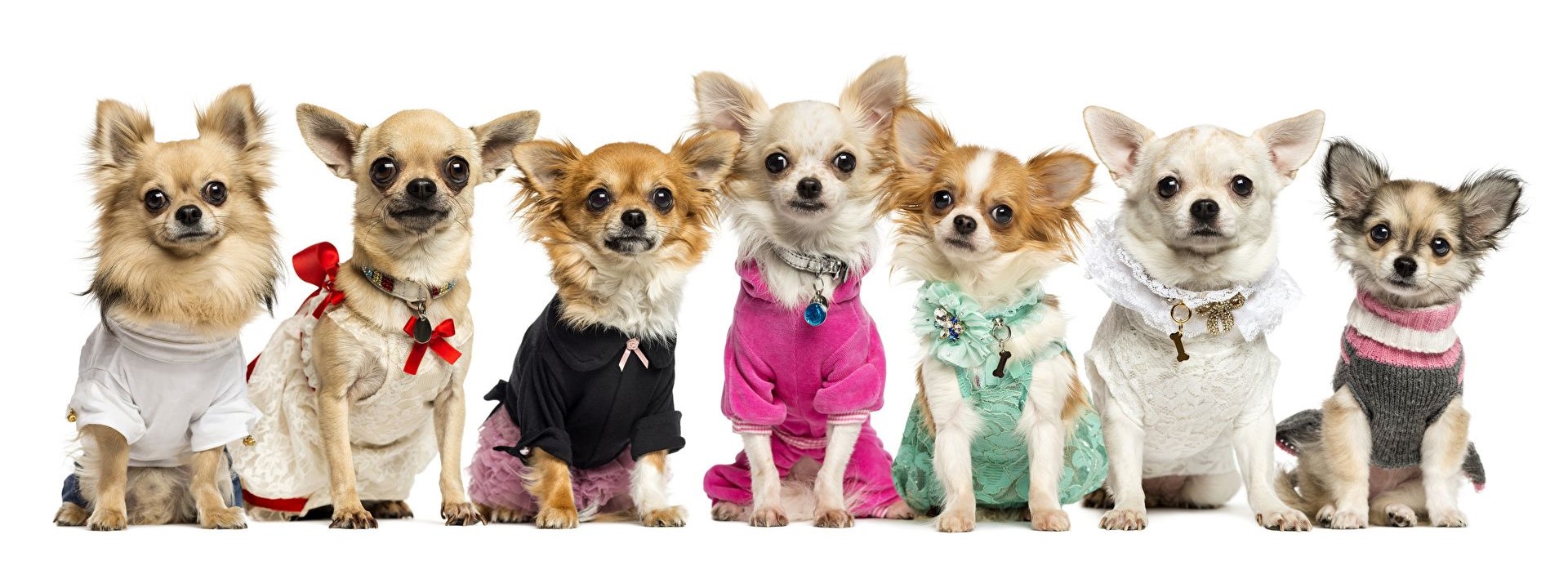

Looking to transform your feisty Chihuahua into an obedient companion? This comprehensive guide covers everything from basic commands to addressing common behavioral challenges. Discover proven techniques for training your Chihuahua effectively!

Introduction: Understanding Your Chihuahua’s Unique Personality
Don’t be fooled by their tiny size and adorable eyes—Chihuahuas pack big personalities into small packages! Training your Chihuahua properly is essential for developing a well-mannered companion who’s a joy to live with. Despite their reputation for being stubborn or yappy, Chihuahuas are intelligent dogs capable of learning commands and exhibiting excellent behavior with the right approach.
As the smallest dog breed in the world, Chihuahuas often develop what trainers call “small dog syndrome” when owners fail to set proper boundaries. This guide will walk you through proven methods for training your Chihuahua while nurturing their confidence and respecting their spirited nature.
Why Training Your Chihuahua Matters More Than You Think
Before diving into training techniques, it’s important to understand why dedicated training is particularly crucial for this breed. Chihuahuas might be small, but without proper guidance, they can develop problematic behaviors that affect both their quality of life and yours.
Benefits of Proper Chihuahua Training:
- Prevents small dog syndrome and associated behavioral issues
- Reduces anxiety and reactivity toward strangers and other animals
- Builds confidence in various environments and situations
- Strengthens the bond between you and your pet
- Creates safer interactions with children and other pets
- Prevents nuisance behaviors like excessive barking and nipping
- Ensures your small companion can be safely taken to public places
According to the American Kennel Club, Chihuahuas are among the longest-living dog breeds, potentially providing 14-16 years of companionship. Investing time in proper training early creates a foundation for years of harmonious living.
Chihuahua Traits: Understanding What You’re Working With
Before beginning training, it helps to understand typical Chihuahua characteristics that influence how they learn and respond to training methods.
| Trait | Description | Training Implication |
|---|---|---|
| Intelligence | High cognitive ability | Can learn complex commands but may get bored with repetition |
| Loyalty | Extremely devoted to owners | Responds well to praise but may develop protective behaviors |
| Independence | Self-sufficient attitude | May challenge authority or test boundaries |
| Energy Level | Moderate to high | Needs mental and physical stimulation to prevent destructive behaviors |
| Sensitivity | Highly perceptive to emotions | Responds poorly to harsh correction; needs positive reinforcement |
| Alertness | Vigilant and observant | Excellent for training awareness but prone to excessive barking |
| Longevity | 14-16 year lifespan | Consistent training needed throughout life stages |
Getting Started: Essential Equipment for Training Your Chihuahua
Before beginning your training journey, gather these supplies to ensure success:
- Properly-sized harness: Avoid collar-only walking to protect their delicate necks
- Lightweight, 4-6 foot leash: Provides control without adding unnecessary weight
- Tiny, high-value treats: Small pieces of chicken, cheese, or specialized training treats
- Clicker (optional): For precision marking of desired behaviors
- Appropriately sized crate: Should allow standing, turning, and lying down comfortably
- Potty pads: Especially helpful for initial indoor training
- Puzzle toys: For mental stimulation during alone time
- Enzyme cleaner: For accident cleanup without lingering scents
The Foundation: Starting with Basic Obedience
Setting Up for Success
When training your Chihuahua, consistency is key. Choose a quiet, distraction-free environment for initial training sessions and keep them brief—5-10 minutes maximum. Chihuahuas have short attention spans and may become overwhelmed or bored with lengthy sessions.
The Veterinary Centers of America recommends establishing a consistent command word list that all family members use identically to avoid confusing your pet.
Essential Commands Every Chihuahua Should Know
1. Sit Command
- Hold a treat close to your Chihuahua’s nose
- Move your hand up, causing their head to follow and bottom to lower
- Once in sitting position, say “sit” clearly
- Immediately reward with the treat and verbal praise
- Repeat 5-10 times per session
2. Stay Command
- Ask your Chihuahua to “sit”
- Open your palm toward them like a “stop” signal
- Say “stay” firmly but calmly
- Step back one step, then return and reward if they remained in position
- Gradually increase distance and duration
3. Come Command
This potentially life-saving command requires consistent reinforcement:
- While your Chihuahua is a short distance away, crouch down
- Say “[Name], come!” in an enthusiastic voice
- Reward handsomely when they come to you
- Never punish a dog who finally comes after being called multiple times
4. Leave It Command
- Place a low-value treat in your closed hand
- Let your Chihuahua sniff and attempt to get it
- Once they stop trying, say “leave it” and open your hand
- Reward with a higher-value treat from your other hand
- Progress to placing treats on the floor
Housetraining Your Chihuahua: A Special Challenge
Potty training Chihuahuas requires extra patience due to their tiny bladders and sometimes stubborn nature. Many owners report this as the most challenging aspect of Chihuahua training.
Effective Potty Training Strategy:
- Establish a strict schedule: Take your Chihuahua out:
- Immediately after waking up
- Within 15 minutes after eating or drinking
- After play sessions
- Before bedtime
- Choose a specific bathroom spot: The scent will encourage repeat use
- Watch for signals: Circling, sniffing, or sudden restlessness often precede elimination
- Use consistent commands: Say “go potty” or similar phrase each time
- Reward success lavishly: Treat and praise immediately after they eliminate outdoors
- Consider indoor options: For apartment dwellers or areas with extreme weather, indoor potty areas with pee pads or artificial grass can be valuable
According to Small Dog Place, consistency is the key differentiator between quick potty training and ongoing struggles with indoor accidents.
Crate Training: Creating a Safe Haven
Contrary to what some believe, crate training isn’t cruel when done properly. For Chihuahuas, a properly introduced crate becomes a personal sanctuary while helping with housetraining and preventing destructive behaviors.

Crate Training Steps:
- Select the right size: Your Chihuahua should be able to stand, turn around, and lie down comfortably
- Create positive associations:
- Place treats and toys inside
- Feed meals in the crate with the door open
- Never use the crate as punishment
- Gradual introduction:
- Start with short periods while you’re home
- Slowly increase duration
- Avoid creating anxiety by rushing the process
- Nighttime crating: Place the crate in your bedroom initially so your Chihuahua doesn’t feel isolated
Remember that adult Chihuahuas shouldn’t be crated for more than 4-6 hours at a time during the day. Puppies require more frequent breaks based on their age in months plus one hour.
Addressing Common Chihuahua Behavior Challenges
Excessive Barking
Chihuahuas are notorious for their vocal nature. While some alerting is natural, excessive barking can become problematic.
Training techniques to reduce barking:
- Identify triggers: Is it strangers, other dogs, boredom, or attention-seeking?
- Teach the “quiet” command:
- When barking occurs, say “quiet” calmly
- When they pause (even to breathe), immediately reward
- Gradually increase the duration of quiet required for reward
- Counter-conditioning: Change their emotional response to barking triggers through positive associations
- Provide mental stimulation: A tired Chihuahua is less likely to bark excessively
- Avoid reinforcing the behavior: Don’t reward barking with attention, even negative attention
Leash Reactivity and Walking Manners
Many Chihuahuas become reactive on leash or pull despite their small size. The Association of Professional Dog Trainers offers these guidelines for improving leash behavior:
- Use a properly fitted harness: Prevents tracheal damage common with collar pulling
- Practice loose-leash walking:
- Stop moving when leash tightens
- Only proceed when slack returns
- Reward frequently for walking beside you
- Manage reactions to triggers:
- Maintain distance from known triggers initially
- Use high-value treats to redirect attention
- Gradually decrease distance as behavior improves
- Build confidence: Regular, positive walking experiences build confidence over time
Socialization: Preventing Fear and Aggression
Proper socialization is critical for Chihuahuas, who can become fearful or reactive without adequate exposure to different people, animals, and environments.
Effective socialization includes exposure to:
- People of different ages, appearances, and behaviors
- Various dogs (in controlled, safe settings)
- Different environments (urban, rural, indoor, outdoor)
- Various sounds, surfaces, and experiences
Each exposure should be positive and controlled, never forcing interactions that cause fear. For adult Chihuahuas with existing socialization issues, work with a professional trainer who specializes in small breeds.
Advanced Training: Beyond the Basics
Once your Chihuahua masters basic commands, consider advancing to more complex training:
Trick Training
Chihuahuas often excel at learning tricks, which provides mental stimulation and strengthens your bond:
- High five
- Spin
- Roll over
- Play dead
- Fetch specific toys by name
Agility Training
Despite their size, many Chihuahuas enjoy scaled-down agility activities:
- Jumping through hoops
- Weaving through poles
- Climbing small ramps
- Navigating tunnels
These activities build confidence while providing excellent exercise.
Nutrition and Exercise: Supporting Your Training Efforts
Proper nutrition and exercise complement your training efforts by keeping your Chihuahua mentally focused and physically healthy.
Nutritional Considerations:
- Feed high-quality small-breed formula
- Monitor treat intake during training (should not exceed 10% of daily calories)
- Keep fresh water available, especially during training sessions
- Consult your veterinarian about appropriate portion sizes
Exercise Requirements:
- 20-30 minutes of daily activity (divided into shorter sessions)
- Indoor play options for inclement weather
- Mental exercise through training, puzzle toys, and new experiences
- Avoid overexertion, especially in hot weather
Professional Help: When to Seek Additional Support
While many Chihuahua training challenges can be addressed at home, some situations warrant professional assistance:
- Aggression toward people or other animals
- Severe anxiety or fear-based behaviors
- Destructive behaviors that don’t improve with training
- Resource guarding (food, toys, people)
- Self-harming behaviors like excessive licking or chewing
The American College of Veterinary Behaviorists provides resources for finding qualified behavior specialists if needed.
Conclusion: Commitment to Lifelong Learning
Training your Chihuahua isn’t a one-time effort but an ongoing journey throughout your pet’s life. With consistent practice, positive reinforcement, and patience, your tiny companion can become a well-mannered, confident dog who’s a joy to live with.
Remember that Chihuahuas respond best to training methods that respect their intelligent, sensitive nature. Harsh corrections or punishment-based methods typically backfire, creating fear rather than cooperation. By investing time in understanding your Chihuahua’s unique personality and needs, you’ll develop a training approach that works for both of you.
Have you started training your Chihuahua? What challenges or successes have you experienced? Share your stories in the comments below or read more in our blog.