


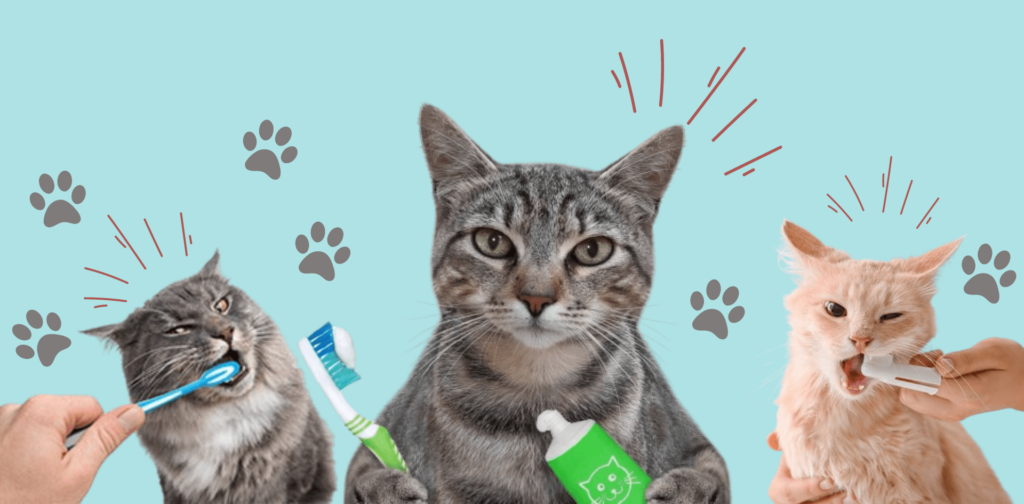


Brushing Cat’s Teeth: Yes, You Should! Here’s How to Do It Comfortably for Both of You
Feline dental health is often overlooked, yet it plays a crucial role in a cat’s overall well-being. Many pet owners focus on nutrition, grooming, and exercise but forget that oral hygiene is just as important. According to veterinary studies, between 50 and 90% of cats over the age of four suffer from some form of dental disease, such as gingivitis, periodontal disease, or tooth resorption. These conditions can cause pain, difficulty eating, and even lead to infections that may spread to other organs if left untreated. This alarming statistic highlights the need for proactive dental care as part of responsible pet ownership, with Brushing Cat’s Teeth being one of the best preventative steps.
Much like humans, cats benefit greatly from regular dental hygiene practices. Brushing Cat’s Teeth is one of the most effective ways to reduce plaque buildup and prevent dental issues before they become serious. While it may take time and patience to get your cat comfortable with the process, starting early makes Brushing Cat’s Teeth easier and more effective. Using cat-specific toothbrushes and toothpaste designed for pets ensures the process is safe and stress-free. In addition to Brushing Cat’s Teeth, providing dental treats, toys, or specialized diets can also support oral health. By making feline dental care a consistent routine, including Brushing Cat’s Teeth, you not only protect your cat’s smile but also contribute to a longer, healthier, and happier life.
Why Brush Your Cat’s Teeth?
Brushing your cat’s teeth is not just a luxury but a necessity for maintaining their oral health. It’s the most effective method for removing plaque and preventing tartar buildup, thereby reducing the risk of gum diseases like gingivitis and other periodontal issues. Moreover, regular brushing can combat bad breath, prevent tooth loss, and alleviate oral discomfort, contributing to your cat’s overall well-being. However, it’s essential to note that while brushing is crucial, it doesn’t replace professional dental examinations and cleaning by a veterinarian.
How Often Should You Brush?
Establishing a regular brushing routine is key to keeping your cat’s teeth clean and healthy. Ideally, aim for brushing your cat’s teeth twice a day, but even once a day or every other day can make a significant difference. You can easily incorporate toothbrushing into your cat’s daily schedule by associating it with meal times, such as brushing after breakfast and dinner.
Necessary Supplies for Tooth Brushing

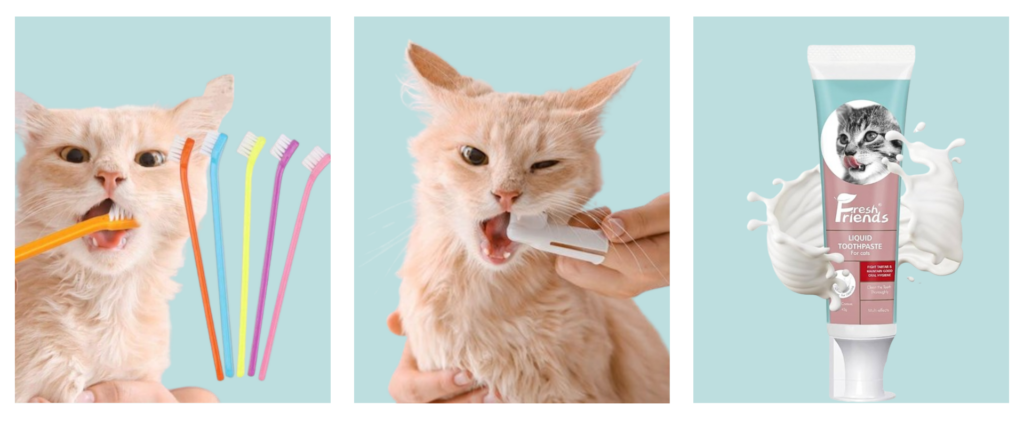
For proper toothbrushing, you’ll need the correct tools: a toothbrush and toothpaste formulated for cats. Cat toothbrushes typically come in two types: those resembling human toothbrushes with long handles and finger brushes with soft bristles that fit over your finger. Both options are effective, so choose based on your preference and your cat’s comfort. Importantly, never use human toothpaste for your cat, as it may contain harmful ingredients.
Introducing Your Cat to Tooth Brushing
Introducing tooth brushing to your cat should be done gradually and patiently. Begin by gently massaging and touching your cat’s cheeks and mouth area during cuddle sessions. Reward your cat with treats for allowing you to touch their mouth. Once they’re comfortable with this, gradually introduce the toothbrush by letting them sniff and explore it. Apply cat toothpaste to the brush and slowly brush their teeth, rewarding them for cooperation.

Exploring Alternatives
If your cat resists tooth brushing or finds it stressful, there are alternative dental care options available. Dental water additives, specific dry foods, and crunchy treats designed to clean teeth can complement brushing or serve as alternatives if brushing isn’t feasible. Consult your veterinarian to determine the best dental care regimen for your cat’s individual needs.
Prioritizing Your Cat’s Dental Health
Brushing Cat’s Teeth warrants serious attention from pet owners, as it is one of the most common yet often overlooked health concerns in felines. Poor oral hygiene can lead to plaque buildup, gingivitis, and even periodontal disease, which may cause pain, tooth loss, or infections that can spread to other parts of the body. By making Brushing Cat’s Teeth a regular part of your cat’s care routine, you actively support not only their oral hygiene but also their overall long-term well-being.
The process of Brushing Cat’s Teeth should begin with gentle exposure, allowing your cat to become comfortable with mouth handling. Start slowly—lift their lips, touch their gums, and reward them with praise or a small treat. Once they are at ease, you can gradually progress to introducing a feline-specific toothbrush and toothpaste. Human toothpaste should never be used, as it contains ingredients harmful to cats.
Consistency and patience are key. Even Brushing Cat’s Teeth a few times per week can significantly reduce tartar buildup and freshen your cat’s breath. Pairing the experience with positive reinforcement helps your cat view tooth brushing as a routine bonding activity rather than a stressful event. With time and dedication, Brushing Cat’s Teeth ensures your beloved feline enjoys optimal dental health, reduced risk of disease, and a brighter, healthier smile for years to come.