

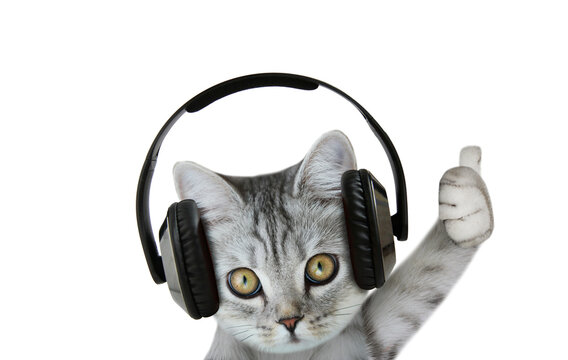

Have you ever noticed your cat perking up their ears during certain songs or relaxing when soft music plays in the background? You’re not imagining things—our feline companions are indeed responsive to music, though their preferences differ significantly from our own. In this comprehensive guide, we’ll explore how calming music for cats can transform your pet’s mood, reduce anxiety, and create a more harmonious household for both of you.
The Science Behind Calming Music for Cats
Unlike humans who might unwind to the sounds of Ed Sheeran or classical symphonies, cats experience music through a completely different auditory lens. Their unique hearing capabilities mean that what sounds pleasing to us might be jarring or even stressful to them.
How Cats Hear Differently
Cats possess extraordinary hearing abilities that far surpass human capabilities:
- They can hear frequencies up to 64,000 Hz (compared to humans’ maximum of about 20,000 Hz)
- Their ears contain 32 muscles that can rotate independently to pinpoint sounds
- They can detect tiny variations in sound that humans miss entirely
- Their hearing develops as early as 5 days after birth
This advanced auditory system evolved to help cats detect the high-frequency sounds made by their prey, particularly small rodents. It also explains why your cat might suddenly become alert even when you haven’t heard anything unusual.
Cat-Specific Music Research
Pioneering research by animal behaviorists and musicians has revealed fascinating insights into feline music preferences:
Dr. Charles Snowdon, a psychologist at the University of Wisconsin-Madison, collaborated with composer David Teie to create music specifically designed for cats. Their research, published in the journal Applied Animal Behaviour Science, found that cats showed significantly more positive responses to species-specific music than to classical human music.
The key elements that make music “cat-appropriate” include:
- Tempos that mirror purring frequencies (approximately 25 Hz) or suckling sounds (around 50 Hz)
- Higher pitches similar to bird vocalizations that naturally interest cats
- Sliding notes rather than abrupt changes (mimicking natural cat vocalizations)
- Absence of heavy bass elements, which can feel threatening
When exposed to cat-specific compositions, felines displayed more positive behaviors such as purring, approaching speakers, and rubbing against them—all indicators of relaxation and enjoyment.
Benefits of Calming Music for Cats

Incorporating calming music into your cat’s environment can yield numerous benefits:
Stress and Anxiety Reduction
Cats experience stress from various sources—environmental changes, loud noises, new pets, or visitors. Appropriate calming music can:
- Lower cortisol levels (the stress hormone)
- Decrease heart and respiratory rates
- Reduce nervous behaviors like excessive grooming or hiding
- Create a sense of security during thunderstorms or fireworks
A 2019 study published in the Journal of Feline Medicine and Surgery found that cats undergoing veterinary examinations showed significantly reduced stress markers when species-appropriate music was played, compared to either pop music or silence.
Behavior Modification
Regular exposure to calming music can help address problematic behaviors:
- Decrease aggression between multiple cats
- Reduce excessive vocalization
- Minimize destructive behaviors triggered by anxiety
- Help with separation anxiety when you’re away
Many cat behaviorists now recommend specialized feline music as part of treatment plans for cats with behavioral issues.
Health and Wellbeing Improvements
The benefits extend beyond just behavioral changes:
- Enhanced immune function through stress reduction
- Better sleep quality and duration
- Increased appetite in anxious cats
- Faster recovery from illness or surgery
Dr. Susan Wagner, a veterinary neurologist and author of “Through a Cat’s Ear,” notes that appropriate auditory enrichment can be as important for cats as proper nutrition and exercise.
Creating Calm During Challenging Situations
Calming music proves particularly beneficial during typically stressful events:
- Veterinary visits: Playing familiar calming tracks can reduce the stress of examinations
- Car travel: Music can help distract from the unsettling motion and confined space
- New environments: When moving homes or introducing your cat to a new space
- Grooming sessions: Creating a peaceful atmosphere during nail trims or brushing
- Introduction of new pets: Establishing a calm baseline during potentially tense meetings
The Ultimate Calming Music Playlist for Cats
Based on feline auditory research and observed cat preferences, we’ve curated the perfect playlist to help your cat relax and unwind:
1. Purring Pianos
Gentle, high-register piano compositions with steady rhythms around 25-50 Hz create sounds that mimic a mother cat’s purring—an inherently comforting sound for all felines. These pieces feature:
- Soft, sustained notes without jarring changes
- Minimal bass elements
- Natural decay between notes (similar to breath patterns)
Recommended tracks:
- “Feline Serenity” by David Teie
- “Kitty Concerto” from Music for Cats album
- Selected pieces from Teie’s “Calm Kitty” collection
2. Nature’s Lullabies
Compositions that incorporate gentle nature sounds hold particular appeal for cats:
- Soft bird chirping (non-predatory species)
- Light rainfall (without thunderclaps)
- Gentle stream sounds
- Subtle wind through leaves
These natural soundscapes tap into cats’ innate interest in their environment while maintaining a peaceful atmosphere. The key is selecting recordings without sudden, startling sounds that might trigger hunting instincts.
Recommended tracks:
- “Dawn Chorus with Stream” (from various nature sound libraries)
- “Gentle Forest Morning” soundscapes
- “Spring Meadow” ambient recordings
3. Classical Comfort
While most human music isn’t specifically designed for feline ears, certain classical pieces have shown positive effects on cats due to their structure and tone:
- Solo harp compositions
- Light string quartets (particularly higher register violin sections)
- Selected Bach pieces featuring consistent, predictable patterns
The key is choosing pieces without dramatic dynamic shifts or heavy percussion.
Recommended pieces:
- Selected movements from Debussy’s “Suite Bergamasque”
- Bach’s “Air on the G String” (played on higher register instruments)
- Satie’s “Gymnopédies” (particularly No. 1)
4. Specialized Feline Frequencies
Several composers have created music specifically designed for cats’ unique hearing and preferences:
- Compositions matched to feline vocal ranges
- Tempos aligned with cats’ resting heart rates
- Special attention to frequencies cats find soothing
Recommended albums:
- David Teie’s “Music for Cats” album
- iCalmCat’s “Through a Cat’s Ear” series
- Various tracks from the “Relaxmycat” project
5. Ambient Soundscapes
Gentle ambient music with minimal percussion and subtle melodic elements can create a peaceful atmosphere:
- Sustained synthesizer pads without harsh edges
- Soft drone compositions
- Gentle, flowing soundscapes without dynamic surprises
Recommended artists/tracks:
- Selected Brian Eno ambient works
- Specific tracks from Moby’s “Long Ambients” collection
- Harold Budd’s piano ambient pieces
How to Introduce Calming Music to Your Cat

Successfully incorporating music into your cat’s environment requires patience and observation:
Start Low and Slow
- Begin with volume levels barely audible to you
- Introduce music for just 15-20 minutes initially
- Gradually increase both volume and duration as your cat shows comfort
Watch for Feedback
Your cat will tell you what they think of the music through their behavior:
Positive signs include:
- Relaxed posture with slow blinking
- Approaching the music source
- Settling near speakers
- Purring or kneading
- Normal grooming behavior
Signs your cat isn’t enjoying the selection:
- Flattened ears or dilated pupils
- Tail twitching or lashing
- Moving away from the sound source
- Excessive vocalization
- Hiding behaviors
Create a Consistent Routine
Cats thrive on predictability. Consider creating a music routine:
- Morning relaxation sessions while you prepare for work
- Calming evening sessions as part of a pre-bedtime ritual
- Special sessions before known stressful events
Many cat owners report that consistent use of calming music creates a Pavlovian response—cats begin to associate certain music with relaxation time.
Pair Music with Positive Experiences
Enhance the effectiveness by combining music with other pleasant activities:
- Play calming tracks during gentle grooming sessions
- Have music on during treat time or feeding
- Create a dedicated “relaxation zone” with their favorite bed and calming music
Consider Your Sound System
The quality and placement of your speakers matter:
- Avoid bass-heavy systems that might create unsettling vibrations
- Place speakers at cat level rather than high up
- Consider portable options you can move to your cat’s preferred locations
- Smart speakers with programmable routines can help maintain consistency
Creating a Calming Environment Beyond Music
While music provides excellent auditory enrichment, combining it with other calming elements maximizes effectiveness:
Complementary Scents
Consider adding cat-safe aromatherapy:
- Valerian (appeals to many cats in small amounts)
- Catnip (calming in small doses for many cats)
- Lavender (use pet-safe products specifically formulated for cats)
Always place scents where cats can approach or withdraw as they choose, and consult your veterinarian before introducing any new scents.
Visual Calming Elements
Create visually peaceful spaces:
- Soft, indirect lighting
- Cozy hiding spots with good visibility
- Window perches with bird feeders for natural entertainment
- Minimized visual chaos (cats can be sensitive to clutter)
Tactile Comfort
Don’t forget the power of touch:
- Provide various textures (soft beds, different fabric types)
- Consider pressure wraps like the Thundershirt for extremely anxious cats
- Offer self-grooming options like wall-mounted brushes
When to Use Calming Music for Cats

While calming music can benefit cats daily, certain situations particularly warrant its use:
Daily Relaxation
- During alone time when you’re at work
- Evening wind-down periods
- During thunderstorms or fireworks
- When construction or loud activities occur nearby
Special Situations
- Veterinary visits: Begin playing familiar music 20-30 minutes before leaving home, continue with portable speakers in the carrier
- New pet introductions: Create a calm baseline environment during the adjustment period
- Moving homes: Maintain acoustic consistency during times of change
- Recovery periods: After surgery or during illness when rest is crucial
Geriatric Support
Senior cats with cognitive changes often benefit from consistent calming music:
- Helps reduce confusion and vocalization in cats with cognitive dysfunction
- Provides orientation cues through consistent sound patterns
- Can improve sleep cycles disrupted by age-related changes
Creating Custom Playlists for Your Cat
Every cat is unique, and their musical preferences may vary. Consider creating tailored playlists based on your observations:
Personality-Based Selection
- Active, curious cats might prefer slightly more engaging compositions
- Nervous, shy cats typically benefit from very minimal, predictable pieces
- Social cats often respond well to music with elements similar to cat vocalizations
Age Considerations
- Kittens typically respond to slightly faster tempos (matching their higher heart rates)
- Senior cats generally benefit from more consistent, predictable patterns
- Middle-aged cats often fall somewhere between these preferences
Adaptive Playlists
Create situation-specific collections:
- “Vet Visit Calm” playlist for medical appointments
- “Home Alone” selections for when you’re away
- “Thunderstorm Soothers” for weather events
- “Evening Unwind” for pre-bedtime relaxation
Technological Solutions for Cat Music
Modern technology offers numerous ways to deliver calming music to your feline friend:
Smart Home Integration
- Program routines on smart speakers to play cat music at specific times
- Use motion sensors to activate calming sounds when your cat enters certain areas
- Create automated playlists that adapt to your schedule
Dedicated Pet Music Systems
Several companies now offer specialized audio systems designed specifically for pets:
- iCalmPet devices with pre-loaded feline music
- Pet acoustic comfort systems with timers and remote control
- Bluetooth-enabled pet relaxation speakers
Mobile Apps
Numerous smartphone applications offer specialized cat music:
- Relax My Cat app
- Music for Cats by David Teie
- Cat Relax Melodies
Many of these allow scheduling, track mixing, and even adaptation based on your feedback about what works for your specific cat.
Understanding What Doesn’t Work

Equally important is recognizing what types of music to avoid for cats:
Problematic Musical Elements
These components typically create stress rather than calm:
- Heavy bass lines (cats are sensitive to vibrations)
- Sudden dynamic changes (loud-soft-loud patterns)
- Heavy percussion or driving rhythms
- Human vocal ranges that overlap with threat sounds
- Electronic music with synthesized frequencies in sensitive cat hearing ranges
Common Misconceptions
- “My cat loves my music”: While some cats adapt to human music, studies show they generally prefer species-specific compositions
- “Louder is better for masking scary sounds”: Volume should always remain moderate; loud music becomes a stressor itself
- “All classical music is calming”: Many classical pieces contain dynamic shifts and instrumental combinations that can be jarring to cats
Case Studies: Success Stories with Calming Music
Veterinary professionals and animal behaviorists have documented numerous success stories using appropriate music therapy:
The Clinic Calmer
A busy veterinary practice in Portland implemented cat-specific music in their feline-only exam rooms, reporting:
- 30% reduction in stress behaviors during examinations
- Easier blood draws with less restraint needed
- Decreased recovery time after procedures
- Improved staff experience and reduced scratch/bite incidents
The Multi-Cat Peacemaker
One family with five cats experiencing tension and territorial disputes implemented a consistent music therapy program:
- Played species-appropriate music for 3 hours daily
- Created music-accompanied feeding stations
- Installed a dedicated “music relaxation room”
After eight weeks, they reported significantly reduced aggression, decreased marking behaviors, and improved social interactions between previously conflicting cats.
The Senior Support System
An 18-year-old cat with cognitive dysfunction and nighttime vocalization showed remarkable improvement with a specialized sound program:
- Consistent evening music routine
- Overnight low-volume nature sounds
- Morning “wake-up” playlist with gentle bird sounds
The owners reported reduced confusion, better sleep patterns, and a 70% reduction in distressed nighttime vocalizations.
Conclusion: Harmonizing Your Home for Feline Happiness
Incorporating appropriate calming music into your cat’s environment represents one of the simplest yet most effective ways to enhance their wellbeing. By understanding the science behind feline hearing and preferences, you can create a sonic landscape that helps your cat feel secure, relaxed, and content.
Remember that each cat is an individual with unique preferences. The key is careful observation and adaptation. What soothes one cat might not work for another, so be prepared to experiment with different sounds and styles until you find your cat’s perfect playlist.
Whether you’re addressing specific behavioral challenges, helping your cat through stressful situations, or simply enhancing their daily quality of life, the right music can create harmony in both the literal and figurative sense. In a world filled with potentially stressful stimuli for our sensitive feline companions, providing an appropriate soundscape is a gift of calm that benefits both cats and their human families.
Have you tried playing calming music for your cat? Share your experiences in the comments below, including any particular songs or sounds that seem to resonate with your feline friend!
Disclaimer: While music therapy can be beneficial for many cats, it should not replace veterinary care for cats showing signs of illness or severe behavioral issues. Always consult your veterinarian if you have concerns about your cat’s health or behavior.