


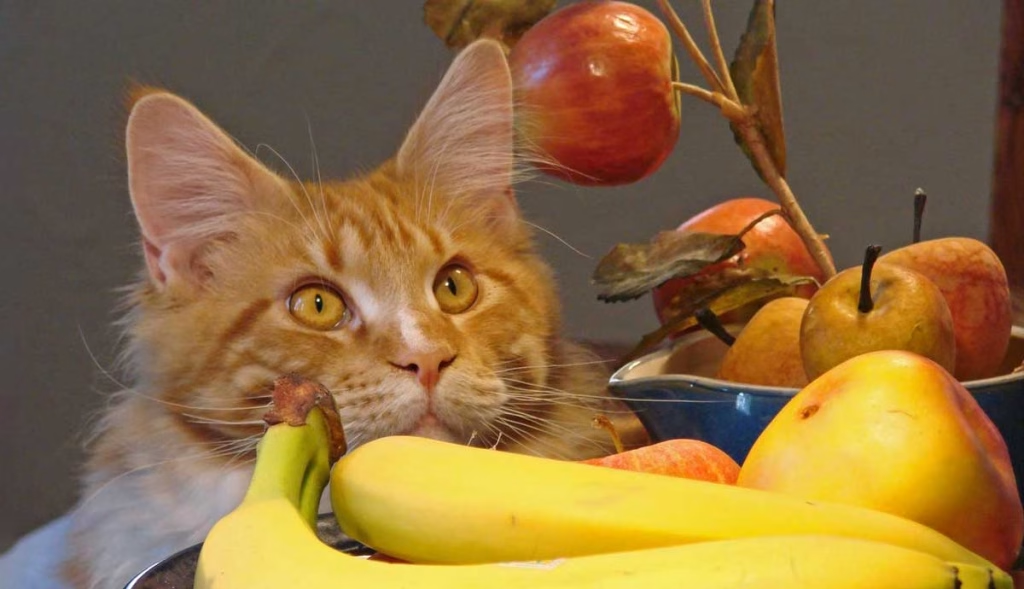


If you’ve ever sliced up an apple or peeled a banana and noticed your cat eyeing it with curiosity—or even swiping a bite—you may have wondered: Can cats eat fruit? The short answer is yes, some fruits are safe for cats in small amounts, but not all are created equal. While cats are obligate carnivores (meaning they need meat to survive), a tiny taste of certain fruits can be a fun and safe treat.
However, there are also fruits that are toxic to cats, and giving them the wrong kind—even in small doses—can lead to serious health issues. So before you share your snack with your feline friend, here’s what every cat owner needs to know.
Are Fruits Safe for Cats?
Can cats eat fruit? Yes, but only certain types and in very small quantities. Fruits should never replace your cat’s main protein-based diet, but an occasional nibble of something sweet and juicy can be a safe indulgence if you choose the right kind.
Cats lack taste receptors for sweetness, so while fruit may not excite them the way it excites dogs (or humans), some cats are still curious about textures and smells. Always monitor your cat the first time you introduce a new food to ensure there’s no allergic reaction or upset stomach.
Cat-Safe Fruits (In Moderation)
Here are several fruits that are non-toxic and generally safe for cats to try occasionally:
1. Banana


Rich in potassium and fiber, bananas are safe for cats in small bites. Avoid giving them the peel.
Serving tip: A small sliver mashed or chopped into tiny pieces.
2. Apple


Apples are high in fiber and vitamins A & C. Remove the core and seeds, as they contain cyanide and are toxic to cats.
Serving tip: Peeled and diced flesh only.
3. Watermelon


This refreshing fruit is mostly water and can help with hydration, especially in hot weather.
Serving tip: Seedless and rind-free pieces only.
4. Strawberry


Strawberries are rich in antioxidants and vitamin C. Cats might enjoy the texture more than the flavor.
Serving tip: Washed and chopped into small bites.
5. Blueberries


Packed with antioxidants, blueberries are one of the safest fruit options for cats. Some cats even enjoy swatting them around like toys!
Serving tip: Whole or halved berries, offered sparingly.
6. Pear


Pears are safe when fully ripe and seedless. Like apples, the seeds and core must be avoided.
Serving tip: Peeled and cut into tiny chunks.
Fruits to Avoid Completely
Not all fruits are safe. Some can cause toxicity, kidney failure, or digestive problems in cats. Never feed your cat the following:
Grapes & Raisins


These can cause acute kidney failure in cats (and dogs). Even a small amount can be dangerous.
Cherries


Contain cyanogenic compounds in the pit, leaves, and stems that can be toxic to cats.
Citrus Fruits (Oranges, Lemons, Limes)


Citrus fruits contain oils and compounds that can cause vomiting, diarrhea, and even central nervous system depression in cats.
Pineapple (With Skin or Core)


While small bits of ripe pineapple flesh are safe, the tough skin and core can cause choking or digestive issues.
Mango (With Pit)


Only the soft fruit is safe. The pit is toxic, and the skin can be hard to digest.
How Much Fruit Is Too Much?
Even safe fruits should be considered occasional treats, not daily staples. Since cats are meat-eaters by nature, their digestive systems aren’t designed to process carbohydrates or sugars from fruits regularly.
A good rule of thumb:
Fruit should make up no more than 2% of your cat’s overall diet. That means just a few tiny bites once or twice a week is more than enough.
Too much fruit can cause:
-
Upset stomach
-
Diarrhea
-
Increased blood sugar (especially dangerous for diabetic cats)
Can Kittens Eat Fruit?
Kittens have even more sensitive digestive systems than adult cats, and their nutritional needs are very specific. It’s best to avoid giving fruit to kittens under 12 weeks old. Stick to a vet-recommended kitten formula or food until they’re older and their systems are more developed.
Best Practices for Feeding Fruit to Cats
If you’re planning to let your cat try a new fruit, follow these important safety tips:
-
Wash thoroughly to remove pesticides or chemicals.
-
Remove pits, seeds, stems, rinds, and skins that may be toxic or hard to digest.
-
Cut into very small pieces to avoid choking hazards.
-
Serve plain. No sugar, syrup, whipped cream, or seasonings.
-
Monitor your cat closely for any signs of allergies or digestive upset.
Signs of a Bad Reaction
If your cat has eaten a fruit (especially one that’s on the “unsafe” list), watch for the following symptoms:
If any of these symptoms occur, contact your veterinarian immediately or go to the nearest emergency vet clinic.
So, can cats eat fruit? Yes—but only the right kinds, in small amounts, and with extra care. Fruits like apples, bananas, and blueberries can be fun little treats if offered occasionally and responsibly. But many fruits, like grapes and citrus, should be kept far from your feline friend.
Always treat fruit as a supplemental snack, not a regular part of their diet. Your cat’s health depends on a protein-rich, meat-based diet designed for their unique carnivorous needs.
If you’re ever unsure about a specific fruit or food item, check with your veterinarian first. When it comes to feeding your fur baby, it’s always better to be safe than sorry.