


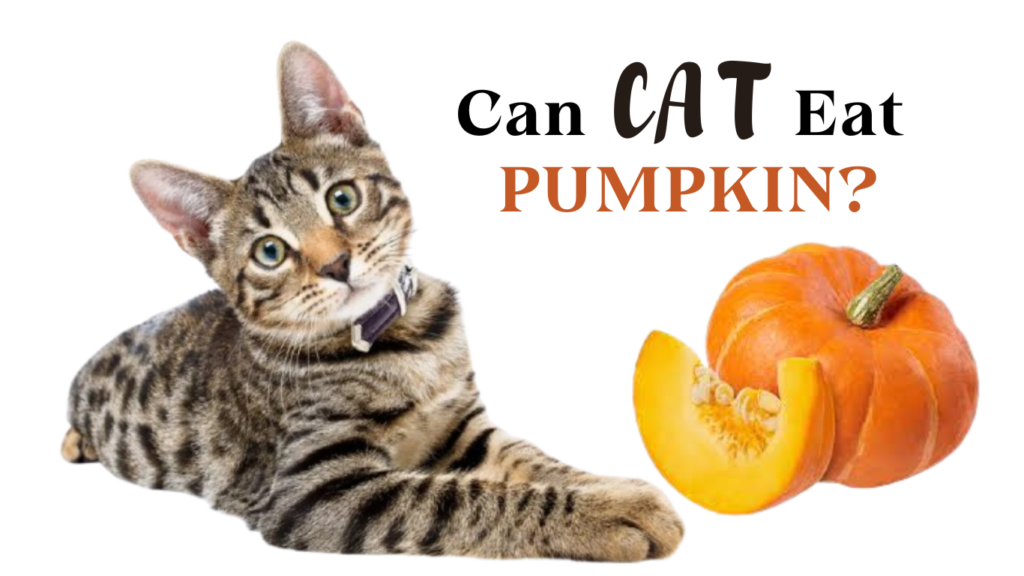


As a cat owner, it’s natural to wonder, can cats eat pumpkin, and what other foods your feline friend can and cannot eat. After all, we want to ensure our pets are not only safe but also healthy. One food that often comes up in discussions about pet diets is pumpkin. But can cats eat pumpkin safely? Many pet owners ask this question when exploring natural food options for their furry companions. The good news is that when prepared properly, pumpkin can offer digestive benefits—but understanding exactly can cats eat pumpkin in all forms is essential.
So, can cats eat pumpkin every day, or should it only be an occasional treat? In this comprehensive guide, we’ll break down the safety of feeding pumpkin to your cat, its potential digestive benefits, and how you can incorporate it into your pet’s diet. Let’s dive into everything you need to know about can cats eat pumpkin and its benefits for your feline friend.
Can Cats Eat Pumpkin? Is It Safe for Your Feline Friend?
The short answer is: Yes, pumpkin is safe for cats in moderation. Pumpkin is not toxic to cats, so you don’t have to worry about it being harmful when offered as an occasional treat. However, like with any new food, it’s essential to introduce it carefully and in the right quantities.
Canned vs. Fresh Pumpkin
When considering feeding your cat pumpkin, it’s important to know that fresh pumpkin and canned pumpkin are both safe for cats. However, you should always choose plain canned pumpkin—not the spiced or sugary varieties used in pies, which can contain harmful additives like sugar, cinnamon, and nutmeg. These spices can be toxic to cats.
Fresh pumpkin is also a great option and can be cooked and pureed for easy consumption. Avoid feeding your cat raw pumpkin as it may be difficult for them to digest.
Digestive Benefits of Pumpkin for Cats
One of the main reasons pumpkin is often recommended for cats is its digestive benefits. Pumpkin is rich in fiber, which plays an essential role in maintaining healthy digestion. Here’s how it can help:
1. Supports Healthy Digestion
Fiber aids in regulating the digestive system by adding bulk to your cat’s stool and promoting regular bowel movements. This is particularly beneficial if your cat is experiencing constipation or diarrhea. A small amount of pumpkin can help firm up loose stools and relieve constipation by making stools easier to pass.
2. Natural Remedy for Hairballs
Cats, especially those with longer coats, are prone to hairballs. When they groom, they ingest fur, which can cause clumps to form in their digestive tract. The fiber in pumpkin helps move these hairballs through their system, reducing the likelihood of blockages and discomfort. Regularly incorporating small amounts of pumpkin into your cat’s diet can help mitigate hairball issues.
3. Relieves Stomach Upset
If your cat has an upset stomach or has experienced vomiting, pumpkin’s high fiber content can offer relief. Fiber absorbs excess water in the intestines, helping to stabilize the stomach. It also has a soothing effect on the digestive tract. Just remember to feed it in moderation to avoid overloading their system.
How to Feed Pumpkin to Your Cat
If you want to start giving your cat pumpkin, there are a few ways to incorporate it into their diet. Here’s how:
1. Mix It with Their Regular Food
The simplest way to feed your cat pumpkin is by adding a small spoonful to their regular wet or dry food. Mixing it in ensures they eat it without even noticing, especially if they’re picky eaters.
2. Make a Pumpkin Treat
If your cat is more of a snack enthusiast, you can make homemade pumpkin treats. Puree the pumpkin, bake it into bite-sized treats, or freeze it in ice cube trays for a cool, refreshing treat. Just remember to keep portions small, especially if your cat isn’t accustomed to it.
3. Serve it Plain
For some cats, plain pumpkin is delicious enough on its own. Start with a small teaspoon and monitor your cat’s reaction. If they enjoy it, you can slowly increase the portion. Just be sure to avoid overfeeding, as too much pumpkin can lead to digestive upset.
How Much Pumpkin Should You Give Your Cat?
While pumpkin is healthy for cats, it’s important to feed it in moderation. Too much fiber can cause digestive discomfort, including gas or loose stools. The general guideline for adding pumpkin to your cat’s diet is:
-
For small cats (under 10 pounds): Offer no more than 1/2 to 1 teaspoon of pumpkin per meal.
-
For larger cats (over 10 pounds): A little more, around 1 to 2 teaspoons per meal, is fine.
Start with a small amount and observe your cat’s reaction. If they enjoy it and have no issues, you can continue offering it as an occasional treat.
Potential Side Effects of Pumpkin for Cats
While pumpkin is generally safe, there are a few things to watch out for. Overfeeding pumpkin can lead to digestive upset, including:
-
Diarrhea: Too much fiber can cause loose stools or diarrhea. Always monitor your cat after introducing pumpkin and adjust the portion size accordingly.
-
Gas or bloating: Excessive fiber intake may lead to gas, bloating, or stomach discomfort, especially if your cat isn’t used to high-fiber foods.
If you notice any adverse effects after introducing pumpkin to your cat’s diet, it’s best to cut back or discontinue the treat. Always consult with your veterinarian if you’re unsure or if your cat experiences severe digestive issues.
Other Health Benefits of Pumpkin for Cats
In addition to digestive benefits, pumpkin also provides a variety of nutrients that can contribute to your cat’s overall health.
Rich in Vitamins and Minerals
Pumpkin is packed with essential vitamins and minerals, including:
-
Vitamin A: Important for maintaining healthy vision and a strong immune system.
-
Vitamin C: Supports immune function and skin health.
-
Potassium: Vital for maintaining electrolyte balance and heart function.
-
Iron: Essential for red blood cell production and overall vitality.
These nutrients can enhance your cat’s overall well-being, but remember that pumpkin should be given as a supplement to a balanced diet, not as a substitute for their regular cat food.
When to Avoid Pumpkin for Cats
While pumpkin is generally safe for cats, there are times when it’s best to avoid feeding it to your feline friend. Before deciding can cats eat pumpkin, it’s important to understand when it might not be suitable.
-
If they have allergies: Some cats may be allergic to pumpkin. Watch for signs like itching, swelling, or digestive issues after consumption. In such cases, you may need to rethink the question, can cats eat pumpkin safely, for your particular pet.
-
If your cat has underlying health conditions: Cats with certain health conditions, such as kidney disease, should avoid high-fiber foods like pumpkin. Always consult with your vet if your cat has specific medical needs before asking again, can cats eat pumpkin as part of their diet.
So, can cats eat pumpkin? Absolutely! When served correctly and in moderation, pumpkin is a nutritious and beneficial addition to your cat’s diet. Its high fiber content supports digestion, helps prevent hairballs, and can soothe an upset stomach. Whether mixed with their food, served as a treat, or frozen into ice cubes, pumpkin is a versatile and healthy option for your cat.
Remember, though, that moderation is key. Too much of a good thing can lead to digestive problems, so always start small and monitor your cat’s response. If you ever wonder again can cats eat pumpkin every day, it’s best to keep portions small and occasional.
If you’re ever uncertain about your cat’s diet or introducing new foods, don’t hesitate to reach out to your veterinarian for personalized advice. Happy feeding!