
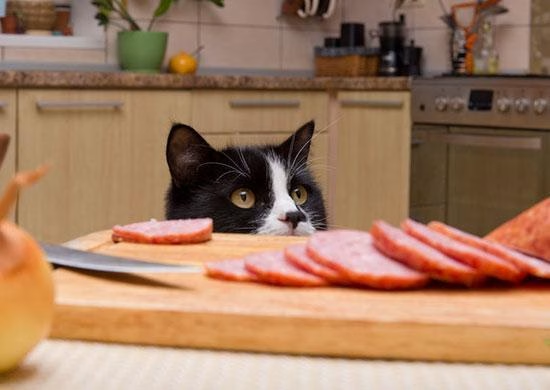

Your cat may have the instincts of a stealthy predator, but they often act like curious snack thieves—especially when the smell of meat fills the air. If you’ve ever found your feline eyeing your charcuterie board or pawing at a slice of salami, you’re not alone. But here’s the big question: Can cats eat salami? The answer might surprise—and even concern—you.
Let’s break down what’s actually in salami, what it means for your cat’s health, and whether it’s a treat or a threat for your furry companion.
What Is Salami, Really?
Salami is a type of cured sausage, typically made from pork or beef and seasoned with salt, garlic, herbs, and spices. It’s air-dried and fermented, which gives it a long shelf life and that bold, savory flavor. Popular in sandwiches and charcuterie spreads, salami is undeniably tasty—but it’s also heavily processed and high in sodium, fats, and preservatives.
While this makes it flavorful for humans, it also makes it questionable—or downright dangerous—for cats.

Can Cats Eat Salami?
Technically, cats can eat salami in very small amounts—but it is not recommended.
Here’s why:
-
Cats are obligate carnivores, meaning they need a diet rich in animal protein. While salami is made from meat, it’s also packed with additives that are not cat-friendly.
-
High sodium levels, preservatives like nitrates/nitrites, and spicy ingredients can cause short-term digestive issues and long-term health concerns.
So while a tiny nibble might not send your cat to the vet, feeding salami regularly—or in large amounts—is unsafe and potentially harmful.
Why Salami Is Dangerous for Cats
Let’s break down the specific ingredients in salami that pose a risk to your feline friend:
1. Salt (Sodium) Overload
Salami is loaded with salt to aid in curing and preservation. While salt is essential in tiny amounts, too much can lead to sodium ion poisoning in cats.
Symptoms of salt poisoning include:
In severe cases, it can even lead to coma or death.
2. Spices and Seasonings
Many types of salami contain garlic and onion powder—both of which are highly toxic to cats. These ingredients can damage red blood cells and lead to anemia, especially with repeated exposure.
Even other spices like black pepper, paprika, or chili flakes can irritate a cat’s digestive system and lead to vomiting or upset stomach.
3. Fat Content
Salami is high in saturated fat. While fat is an important part of a cat’s diet in moderate, biologically appropriate amounts, excessive intake of saturated fat can lead to:
-
Obesity
-
Pancreatitis
-
Digestive upset
Even a small slice contains far more fat than what your cat needs in a treat.
4. Nitrates and Preservatives
Most commercial salami contains sodium nitrite and other preservatives to keep it shelf-stable. These chemicals can be harmful to cats, especially when consumed frequently or in large quantities. Some studies even suggest a potential link between nitrites and cancer in pets.
What Happens If Your Cat Ate Salami?
If your cat manages to snag a small piece of salami, don’t panic. A tiny bite is unlikely to cause serious harm. However, you should:
-
Observe your cat for any symptoms like vomiting, diarrhea, drooling, or lethargy.
-
Ensure your cat has access to fresh water, especially since the sodium content in salami can cause dehydration.
-
Avoid giving more—no matter how much your cat begs!
If your cat consumes a larger amount or shows unusual symptoms, it’s best to contact your veterinarian immediately.
Safe Alternatives to Salami
You don’t have to deprive your cat of tasty treats—there are plenty of cat-safe meat options that are better suited to their health.
Safe Protein Snacks:
-
Cooked plain chicken or turkey (no seasoning)
-
Freeze-dried meat treats made specifically for cats
-
Cooked beef or fish (boneless and unseasoned)
-
Commercial cat treats made with real meat
These options provide the protein boost your cat craves without the harmful additives found in salami.
Can Cats Eat Turkey or Chicken Salami?
While turkey or chicken salami may sound healthier, they usually still contain preservatives, sodium, and spices. The risks remain the same—especially with store-bought, processed varieties. Always check the label, and if in doubt, don’t share.
If you want to give your cat a bite of cooked, unseasoned turkey or chicken, that’s a much safer and healthier option.
Can Cats Eat Salami?
Can cats eat salami? No—cats should not eat salami as a regular treat. While a small bite may not cause immediate harm, the high salt, fat, and toxic seasonings make it a risky choice. If you’ve ever wondered, can cats eat salami safely, the answer is clear: it’s best to avoid it altogether. If you truly love your cat (and we know you do!), stick to treats designed for feline consumption. Always prioritize nutrition and safety over sharing your snacks—even if those adorable eyes are begging for just one bite.
Key Takeaways
-
Salami is not safe for cats due to high sodium, fat, and harmful seasonings.
-
A tiny nibble won’t hurt, but regular feeding is dangerous.
-
Look for cat-safe meat options like plain cooked chicken or vet-approved treats.
-
Always consult your vet if your cat consumes a large quantity of salami or shows signs of illness.