


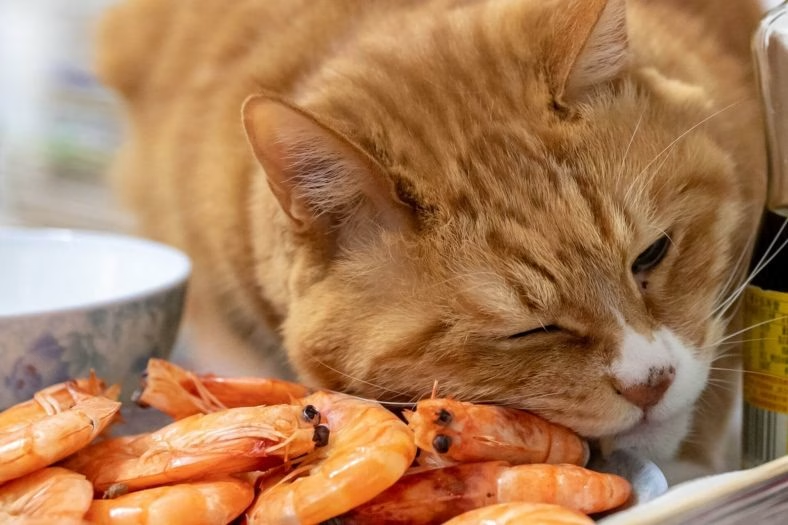


Shrimp may be a favorite seafood for many humans—but what about your feline friend? If you’ve ever found your cat staring longingly at your shrimp dinner or even trying to sneak a bite, you’re not alone. It’s natural to wonder: Can cats eat shrimp? Is it safe? Is it healthy? Many pet owners have the same question, especially when they notice how eagerly cats eat shrimp whenever given the chance.
The short answer: Yes, cats eat shrimp—in moderation and when prepared properly. But before you serve up a shrimp cocktail for your curious kitty, remember that while cats eat shrimp, it’s important to understand the safety, nutritional value, and feeding tips to keep them healthy and happy.
Is Shrimp Safe for Cats?
Shrimp is not toxic to cats, and in fact, many cats love the taste and aroma of it. When fed correctly, it can serve as a high-protein, low-calorie snack that’s rich in vitamins and minerals.
However, not all shrimp dishes are created equal. Raw, seasoned, or fried shrimp can pose health risks, so the key is to serve it plain and fully cooked.
Avoid These Forms of Shrimp:
-
Raw shrimp: May contain harmful bacteria like Salmonella or Listeria.
-
Seasoned shrimp: Garlic, onions, and heavy spices can be toxic to cats.
-
Fried or buttered shrimp: Excess oils and fats can upset your cat’s digestive system and contribute to obesity or pancreatitis.
Nutritional Benefits of Shrimp for Cats
Shrimp can actually offer several nutritional advantages when used as an occasional treat:
1. High in Protein
Cats are obligate carnivores, meaning they thrive on animal-based proteins. Shrimp offers a protein-packed bite to support muscle maintenance and energy levels.
2. Rich in Taurine
Shrimp contains taurine, an essential amino acid that cats need to prevent vision problems, heart issues, and reproductive issues.
3. Loaded with Vitamins and Minerals
Shrimp is a great source of:
-
Vitamin B12: Aids in digestion and brain function.
-
Phosphorus: Supports healthy bones and teeth.
-
Selenium: Boosts immunity and thyroid function.
-
Zinc: Enhances coat health and wound healing.
How to Safely Prepare Shrimp for Your Cat
If you’re going to treat your cat to some shrimp, follow these simple guidelines:
Do:
-
Cook the shrimp thoroughly (boiled or steamed, without oil or seasoning).
-
Remove shells, tails, and veins (the black digestive tract) before feeding.
-
Cut into small, bite-sized pieces to avoid choking.
-
Feed in moderation—just a few pieces once in a while.
Don’t:
-
Don’t feed your cat raw shrimp.
-
Don’t use garlic, onion, butter, or spices.
-
Don’t give shrimp every day or in large amounts.
How Much Shrimp Can Cats Eat?
Treats, including shrimp, should make up no more than 10% of your cat’s daily calorie intake. Cats Eat Shrimp occasionally as a tasty reward, but moderation is key. One or two small shrimp pieces once a week is typically safe for a healthy adult cat. Cats Eat Shrimp best when it’s cooked, plain, and free from added salt or seasoning.
Kittens, senior cats, or those with health conditions (like kidney disease or food allergies) should avoid shrimp unless cleared by a veterinarian, since not all Cats Eat Shrimp safely.
Potential Risks to Watch Out For
Even though shrimp is generally safe, there are a few things to keep in mind:
1. Allergic Reactions
While rare, some cats may develop food allergies. Signs include:
-
Excessive grooming
2. Digestive Upset
Too much shrimp or shrimp that’s too rich (e.g., cooked in oil) can lead to:
-
Upset stomach
-
Gas or bloating
-
Loose stool
3. Shell Hazards
Shells and tails are choking hazards and can irritate the digestive tract. Always remove them before serving.
Should Shrimp Be Part of a Cat’s Regular Diet?
No. Shrimp should never replace a balanced, commercial cat food diet. While shrimp is high in protein, it lacks other essential nutrients like calcium and certain vitamins that cats need to stay healthy.
Think of shrimp as a special snack, not a staple.
Bonus: Do Cats Even Like Shrimp?
Most cats are crazy about shrimp! The smell alone is irresistible to many felines because of the strong umami (savory) aroma. If your cat doesn’t like shrimp, that’s totally fine—some cats simply prefer different textures or flavors.
If your cat loves it, use shrimp as a training reward or an occasional treat to build positive experiences (like after grooming or vet visits).
Healthy Alternatives to Shrimp
If shrimp isn’t available—or you’re just looking for variety—here are other safe protein treats you can offer your cat:
-
Cooked chicken breast
-
Boiled turkey
-
Plain salmon (boneless)
-
Freeze-dried meat treats (check for cat-safe labels)
Avoid processed meats like ham, bacon, and sausages, which are too salty and fatty.
Can Cats Eat Shrimp?
Absolutely—cats can eat shrimp, and many love it! It’s a healthy, high-protein treat when served plain, cooked, and in moderation. Just make sure to avoid seasoning, remove shells, and feed responsibly.
If you’re ever unsure, it’s always a good idea to consult your veterinarian before introducing new foods into your cat’s diet.
Key Takeaways:
-
Shrimp is safe for cats when cooked and unseasoned.
-
It’s rich in protein, taurine, and key nutrients.
-
Always remove shells and serve in moderation.
-
Use shrimp as a treat, not a meal replacement.
-
Watch for allergies or digestive issues.