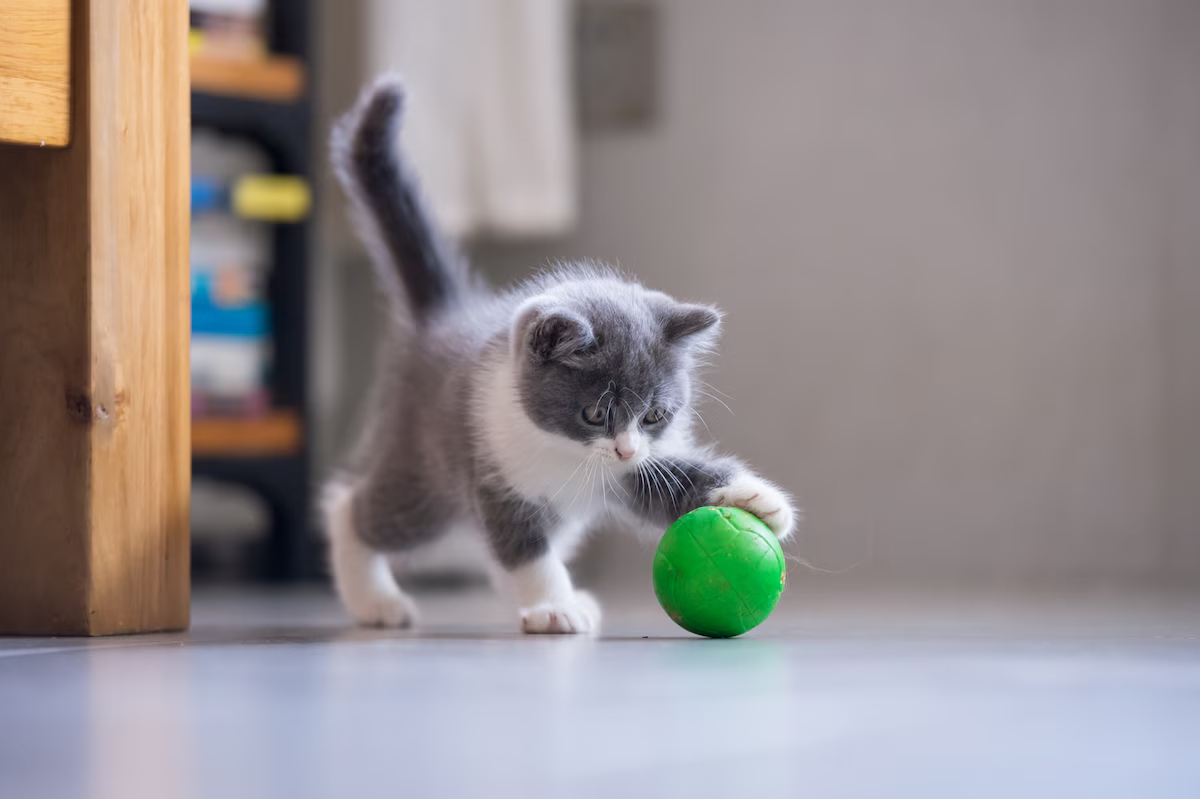

Can cats play fetch? When most people think of fetch, they picture a dog joyfully chasing after a ball or stick—but you might be surprised to learn that some cats enjoy this game too! That’s right — cats play fetch more often than you might think! While not every feline will take to this playful pastime, many cat owners are amazed to discover their kitty’s natural fetching instincts.
In this fun behavior and play activity article, we’ll dive into why cats play fetch, which cats are most likely to do it, and how you can encourage your kitty to join in the fun.
Why Do Some Cats Play Fetch?
It might seem strange at first, but cats playing fetch actually makes a lot of sense when you look at their natural instincts. Here’s why:
-
Hunting Behavior: Cats are natural hunters. Chasing, grabbing, and carrying prey back to a safe place are instinctive behaviors. When your cat fetches a toy and brings it back to you, they may be treating it like “captured prey.”
-
Affection and Bonding: Some cats view fetch as a bonding game with their favorite person. Bringing you the toy could be their way of sharing their “catch” with you as a sign of trust and affection.
-
Mental and Physical Stimulation: Fetch can be mentally and physically rewarding. Active cats, especially intelligent breeds, often need extra stimulation to stay happy and healthy.
-
Reinforcement: If you respond positively — praising, petting, or giving a treat — every time your cat brings the toy back, it reinforces the behavior. Over time, they learn that fetching = attention and rewards.
Breeds Most Likely to Fetch
While any cat can potentially learn to play fetch, some breeds are naturally more inclined toward this kind of playful, interactive behavior. Breeds known for their intelligence, energy, and curiosity are often the best fetch players.
Some top fetch-loving breeds include:
-
Siamese: Highly intelligent and energetic, Siamese cats often pick up games like fetch easily.
-
Bengal: With a wild streak and tons of energy, Bengals enjoy interactive play that taps into their hunting instincts.
-
Maine Coon: These gentle giants are known for their dog-like personalities and love of games.
-
Abyssinian: Curious and playful, Abyssinians often enjoy the challenge of fetching.
-
Turkish Van: This rare breed loves water and games, including a lively round of fetch.
Of course, breed isn’t everything. Plenty of mixed-breed domestic cats happily play fetch too!
How to Teach Your Cat to Play Fetch
Even if your cat doesn’t naturally fetch, you can encourage the behavior with some patience and positive reinforcement. Here’s a simple step-by-step guide:
1. Choose the Right Toy
Pick a toy your cat already loves. Small, lightweight toys work best — think crinkle balls, soft mice, or even hair ties (supervised only!).
2. Spark Interest
Toss the toy a short distance while your cat is already in a playful mood. Use excitement in your voice to encourage them to chase it.
3. Reward Chase and Carry
At first, just reward your cat for chasing and picking up the toy. Treats, pets, and praise help build a positive connection.
4. Encourage Returning the Toy
When your cat picks up the toy, call them back to you gently. If they approach, reward them again. You can even trade the toy for a treat to reinforce the idea.
5. Practice Short Sessions
Cats have short attention spans. Keep fetch sessions brief and fun — around 5-10 minutes — to avoid frustration or boredom.
6. Be Patient and Consistent
Not every cat will “get it” right away. Be patient, offer lots of encouragement, and celebrate small successes.
Benefits of Playing Fetch with Your Cat
Playing fetch isn’t just entertaining — it offers real benefits for your cat’s well-being:
-
Physical Exercise: Cats need daily exercise to stay healthy, and fetch provides a great cardio workout.
-
Mental Stimulation: Solving the “puzzle” of chasing and retrieving keeps your cat’s mind sharp.
-
Strengthened Bond: Interactive play strengthens the relationship between you and your cat, building trust and affection.
-
Reduced Behavioral Problems: Cats who are physically and mentally stimulated are less likely to develop destructive behaviors like scratching furniture or acting out.
Troubleshooting: If Your Cat Isn’t Interested
If your cat doesn’t seem into the idea of playing fetch, don’t worry — it doesn’t mean they don’t love you or aren’t smart! Every cat has their own personality. Some prefer solo play, others love interactive games like wand toys, and some simply enjoy cuddling.
Here are a few tips if fetch isn’t clicking:
-
Try different toys — a change in texture or shape can spark new interest.
-
Use a special toy that’s only for fetch time to make it exciting and unique.
-
Make sure your cat is in the right mood — after a nap or meal might not be ideal.
-
End sessions on a positive note, even if it’s not a full fetch. Praise and rewards keep the activity enjoyable.
The goal is always to have fun and engage with your cat in ways that make them happiest!
Cats and Fetch – A Playful Surprise
While it may not be as common as it is in dogs, Cats Play Fetch — and when they do, it’s endlessly adorable and rewarding! Whether your cat already loves carrying toys around or you want to teach them the game from scratch, fetch can be a fun, enriching activity for both of you.
Remember, the secret to success is patience, positivity, and lots of play. So grab your cat’s favorite toy, toss it across the room, and see if your feline friend is ready to show off their fetching skills!