


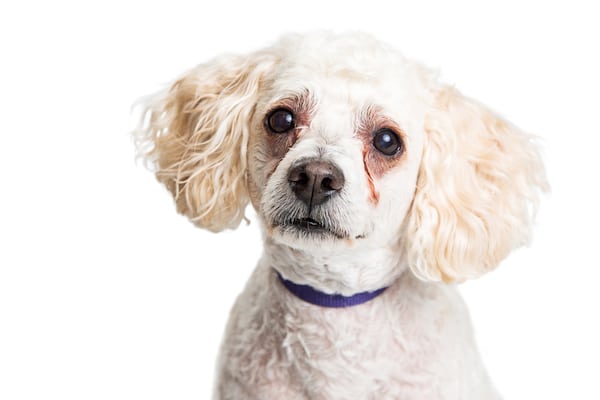


Dogs are known for their deep emotional connections with humans. They wag their tails in excitement, whimper when they’re anxious, and give soulful stares that seem to say everything without words. But one question has puzzled pet owners for years: Can dogs cry like humans—shedding tears of joy or sadness?
In this guide, we’ll explore what science says about canine tears, how dogs express emotions, possible medical concerns behind watery eyes, and ways to ensure your furry friend stays healthy and happy.
Do Dogs Actually Cry?
The short answer is no—dogs don’t cry emotional tears like humans do. While they can produce tears, those tears aren’t linked to feelings of happiness or sadness. Instead, dog tears are purely physiological—meant to keep their eyes lubricated, clean, and healthy.
Humans are unique in producing emotional tears. These tears contain stress hormones and other chemicals that help us regulate emotions. Dogs, on the other hand, rely on body language, vocalizations, and behavior to communicate their emotional state.
How Dogs Show Emotion Without Tears
Even though dogs don’t cry in the human sense, they have plenty of other ways to express joy, fear, sadness, and anxiety. Here are some of the most common signs:
-
Whining or Whimpering: A clear vocal cue of discomfort, stress, or longing.
-
Tail Position: Wagging generally shows excitement, while a tucked tail indicates fear or submission.
-
Ears and Eyes: Perked ears and bright eyes often signal alertness; drooping ears and half-closed eyes can suggest sadness or fatigue.
-
Body Posture: A loose, wiggly body indicates happiness; stiff or hunched posture can suggest discomfort or distress.
-
Licking and Nuzzling: Affectionate behaviors that show love and attachment.
Dogs are emotional beings, but their “crying” is silent—expressed through body language rather than teardrops.
The Science Behind Dog Tears
Dogs have tear ducts just like humans, but their function is different. Tears are produced by the lacrimal glands and serve three main purposes:
-
Lubrication: Prevents dryness and irritation.
-
Protection: Washes away dust, debris, and potential irritants.
-
Health Maintenance: Contains enzymes that help protect the eyes from infections.
Instead of falling down the face, a dog’s tears typically drain through the nasolacrimal ducts into the nasal cavity. This is why you rarely see a dog with tear streaks—unless something is wrong.
Why Is My Dog’s Face Wet?
If you’ve noticed moisture around your dog’s eyes, it’s usually due to a medical or environmental cause, not emotional crying. Common reasons include:
-
Allergies: Dust, pollen, or certain foods can cause watery eyes.
-
Eye Irritation: Debris, hair, or even strong winds can irritate the eyes.
-
Blocked Tear Ducts: Can lead to overflow, causing tear stains on the fur.
-
Infections: Conjunctivitis and other eye conditions can trigger excessive tearing.
-
Breed Traits: Some breeds—like Pugs, Bulldogs, and Shih Tzus—are prone to tear overflow due to facial structure.
If tearing is accompanied by redness, swelling, discharge, or behavioral changes, a vet visit is essential.
Can Dogs Experience Emotions Like Humans?
Absolutely—dogs have complex emotional lives. Research has shown that dogs produce oxytocin, the “love hormone,” when interacting with their owners. They can feel joy, fear, sadness, excitement, and even jealousy.
However, their emotions don’t trigger tear production the way ours do. Instead, dogs display feelings through actions—like greeting you with jumps and tail wags after you’ve been away or sulking when you leave the house.


Debunking the “Tears of Joy” Myth in Dogs
Some viral videos and personal stories claim that dogs cry tears of joy when reunited with their owners. While it’s tempting to believe, science tells us otherwise. These “tears” are likely coincidental—caused by an irritant, allergy, or temporary tear duct overflow at the same moment of an emotional reunion.
Dogs are indeed thrilled to see their owners, but their happiness is shown in ways like excited barking, tail wagging, and bouncing movements—not emotional teardrops.
When Watery Eyes Signal a Problem
While occasional moisture isn’t usually a concern, persistent watery eyes can indicate an underlying issue. Signs to watch for include:
-
Thick or colored discharge (yellow or green may indicate infection)
-
Persistent squinting or pawing at the eyes
-
Swelling or redness around the eyes
-
Frequent blinking
-
Sensitivity to light
These could point to conditions like conjunctivitis, corneal ulcers, glaucoma, or blocked tear ducts—all of which require veterinary care.
Caring for Your Dog’s Eye Health
Keeping your dog’s eyes healthy helps avoid discomfort and prevents more serious conditions. Here are some proactive steps:
-
Regular Grooming: Trim hair around the eyes to prevent irritation.
-
Clean the Eye Area: Use a soft, damp cloth to gently wipe away debris or tear stains.
-
Watch for Irritants: Keep your dog away from smoke, strong fragrances, and dusty environments.
-
Provide Proper Nutrition: Diets rich in omega-3 fatty acids support eye health.
-
Routine Vet Visits: Eye checks are part of a comprehensive health exam.
How to Comfort a Dog That Seems “Sad”
If your dog is displaying behaviors that suggest sadness—such as lethargy, loss of interest in play, or withdrawal—focus on emotional support:
-
Increase interaction: Spend more quality time together with walks, games, or training sessions.
-
Enrich their environment: Provide toys, puzzles, and new activities to stimulate their mind.
-
Maintain routines: Dogs feel secure with consistent feeding, walking, and play schedules.
-
Social opportunities: Arrange playdates or safe introductions with other dogs if they enjoy company.
If the behavior persists, consult your vet to rule out health issues or anxiety disorders.
Key Takeaways
-
Can dogs cry emotional tears? No—dog tears are purely for eye health, not tied to emotions.
-
Dogs show emotions through body language, vocalizations, and actions, not tears.
-
Watery eyes are usually caused by allergies, irritation, or health conditions.
-
Persistent or abnormal tearing requires veterinary attention.
-
Eye health care and emotional support go hand in hand for a happy, healthy dog.
Final Thought: While your dog may never shed emotional tears, they have countless other ways to show their love and devotion. Every tail wag, gentle nuzzle, and excited greeting is their version of “crying” with joy—just without the teardrops.