


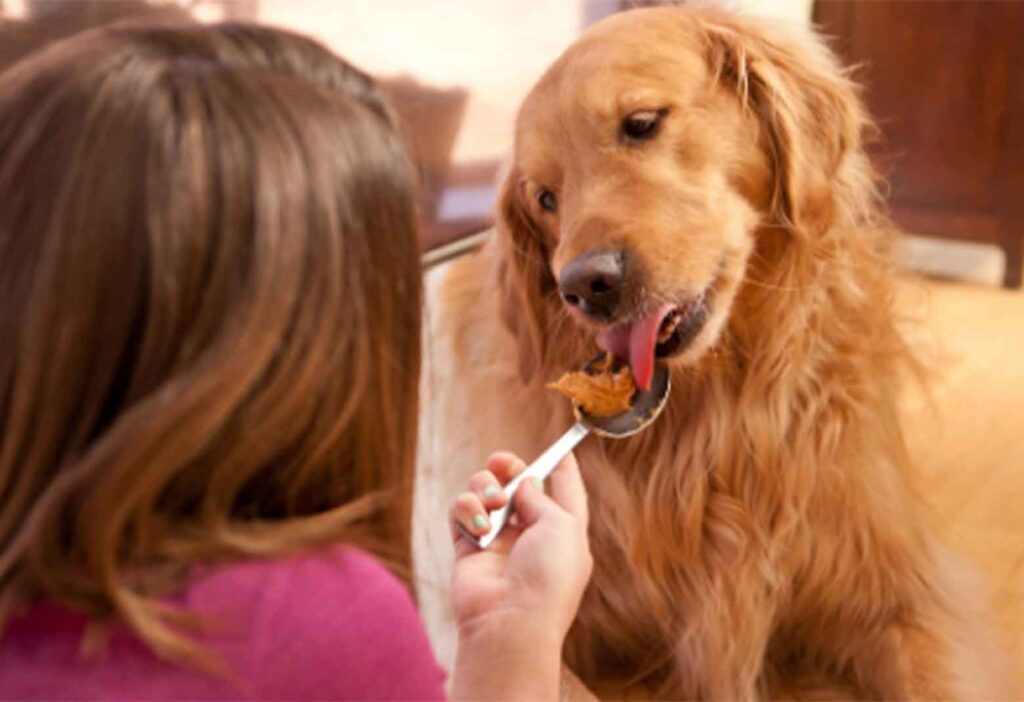


Peanut butter is a well-loved treat for many dogs. Can Dogs Eat Peanut Butter? The creamy or chunky spread is not only delicious but also packs a nutritional punch. Packed with protein, healthy fats, vitamins B and E, and niacin, peanut butter can be a healthy snack for your furry friend when given in moderation. Its rich, nutty flavor and smooth or crunchy texture make it an irresistible choice for many canines. Plus, it’s a great way to hide medications, making it a favorite among pet owners and veterinarians alike. Can Dogs Eat Peanut Butter? Whether smeared inside a treat-dispensing toy or offered as a spoonful of happiness, peanut butter can keep your dog entertained and satisfied.
However, not all peanut butter is created equal. Can Dogs Eat Peanut Butter? Some varieties contain harmful ingredients that can pose serious health risks to dogs. One of the most dangerous additives is xylitol, a sugar substitute commonly found in some peanut butter brands. Even a small amount of xylitol can be toxic to dogs, causing a rapid drop in blood sugar and potentially leading to liver failure. Therefore, it’s crucial to always check the ingredient list before sharing this tasty treat with your canine companion. Can Dogs Eat Peanut Butter?
Opt for natural or unsweetened peanut butter without additives, artificial sweeteners, or salt. By choosing the right product and giving it in moderation, Can Dogs Eat Peanut Butter? You can safely treat your dog to this creamy delight without compromising their health.
Xylitol: The Hidden Danger
Can Dogs Eat Peanut Butter? One of the most significant dangers in peanut butter is xylitol, an artificial sweetener commonly found in sugar-free products. While xylitol is considered safe for human consumption, it can be extremely toxic to dogs. Even small amounts can cause a rapid release of insulin in a dog’s body, leading to hypoglycemia (low blood sugar). This sudden drop in blood sugar can be life-threatening if not treated promptly, as it may result in irreversible damage or even death.
The effects of xylitol poisoning in dogs can appear within minutes to a few hours after ingestion. Can Dogs Eat Peanut Butter? Common symptoms include vomiting, weakness, lethargy, loss of coordination (ataxia), and even seizures. In severe cases, dogs may experience liver failure, which can occur within 24 to 48 hours and may present as jaundice, abdominal swelling, or abnormal clotting. Without immediate veterinary intervention, the outcome can be fatal.
To ensure your dog’s safety, always check the ingredient list on the peanut butter jar before offering it as a treat. Xylitol may also be labeled as “birch sugar” or “wood sugar.” Can Dogs Eat Peanut Butter? If any of these terms appear on the packaging, avoid giving it to your dog and opt for a safer, dog-friendly alternative. Natural, unsweetened peanut butter without additives is generally safe. Can Dogs Eat Peanut Butter? In the unfortunate event that your dog consumes xylitol, contact your veterinarian or an emergency animal poison control center immediately. Early treatment can make a critical difference in your dog’s recovery. Can Dogs Eat Peanut Butter?
Choosing the Right Peanut Butter
Now that we’ve covered the potential dangers, let’s focus on how to choose the right peanut butter for your dog. When selecting peanut butter, go for all-natural or organic options without added sugars, salt, or preservatives. These varieties are less likely to contain harmful ingredients and are healthier for your pet.
Additionally, always read the label carefully. Look for peanut butter that contains just peanuts, or peanuts and a small amount of salt. The fewer the ingredients, the better it is for your dog. Remember, moderation is key. Peanut butter should be an occasional treat, not a staple in your dog’s diet.
Creative Ways to Serve Peanut Butter
Peanut butter can be more than just a spoonful of goodness for your dog. Here are some creative ways to incorporate it into your pet’s treat regimen:
- Kong Toy Filler: Fill a Kong toy with peanut butter and freeze it. This makes for a fun and engaging treat that can keep your dog occupied for hours.
- Homemade Dog Treats: Mix peanut butters with oats and pumpkin to create delicious homemade dog biscuits.
- Training Rewards: Use small amounts of peanut butters as high-value rewards during training sessions to keep your dog motivated.
- Medication Masker: If your dog is reluctant to take pills, peanut butters can be an excellent way to disguise the taste of medication.
Potential Allergies and Alternatives
Just like humans, dogs can have allergies too. While peanut allergies are relatively rare in dogs, they can still occur. Signs of an allergic reaction include itching, swelling, hives, and in severe cases, anaphylaxis. If you suspect your dog has an allergy, discontinue the peanut butters immediately and consult your veterinarian.
If your dog is allergic to peanuts or you want to switch things up, there are plenty of other nut butters to consider. Almond butter, cashew butter, and sunflower seed butter can be great alternatives, provided they don’t contain harmful additives like xylitol. Always introduce new foods gradually and in small amounts to monitor your dog’s reaction.
The Verdict: Peanut Butter as a Treat
In conclusion, peanut butters can be a delightful and nutritious treat for dogs when chosen and served correctly. Always opt for all-natural, xylitol-free peanut butters and give it in moderation. Be mindful of your dog’s overall diet and health, and use peanut butters as an occasional treat rather than a regular part of their diet.
Remember, the key to a happy and healthy dog is balance and vigilance. By being informed and cautious, you can safely share the joy of peanut butters with your beloved pet.