


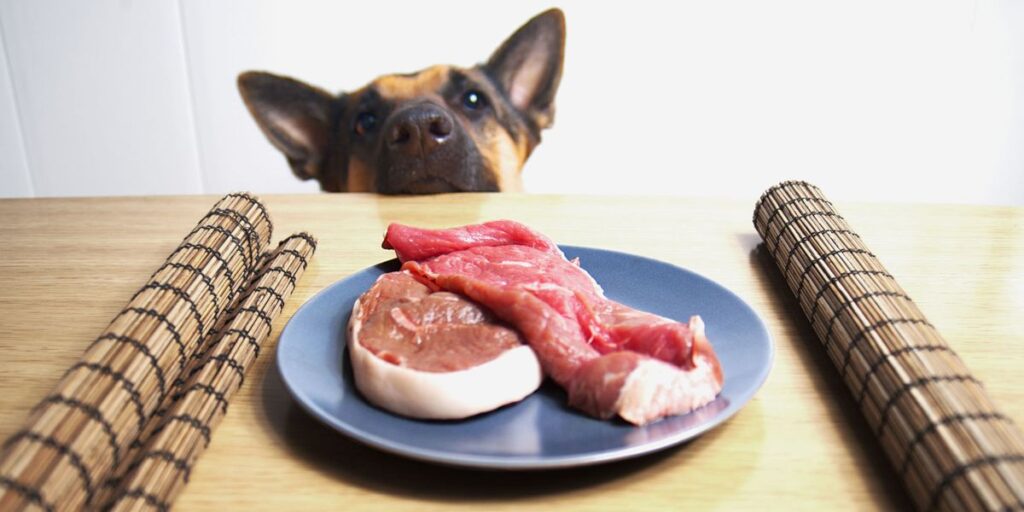


In recent years, the debate over whether dogs can safely consume raw meat has sparked considerable interest among pet owners, veterinarians, and animal nutritionists alike. Can Dogs Eat Raw Meat is a question that has gained momentum as more people seek natural, holistic approaches to pet care. Advocates of raw feeding argue that it mirrors the ancestral diet of wild dogs and wolves, consisting of raw meat, bones, and organs.
They believe this diet supports improved digestion, healthier skin and coat, increased energy levels, and better overall well-being. Many raw feeding proponents claim that commercial kibble contains fillers and preservatives that are not ideal for canine health. Can Dogs Eat Raw Meat remains a central point of discussion in these arguments.
On the other hand, critics of raw feeding emphasize the potential health risks associated with handling and consuming uncooked meat. These risks include exposure to harmful bacteria such as Salmonella and E. coli, which can affect not only dogs but also the humans who handle their food. Can Dogs Eat Raw Meat safely without risk of bacterial contamination is a key concern for skeptics. There is also concern that unbalanced raw diets may lead to nutritional deficiencies or excesses, particularly if not properly formulated. Veterinary organizations often caution against raw diets unless they are carefully planned and monitored. Can Dogs Eat Raw Meat as part of a balanced diet is something only expert guidance can help determine.
As interest in raw feeding continues to grow, it remains crucial for pet owners to thoroughly research and consult veterinary professionals before making significant dietary changes for their dogs. The question “Can Dogs Eat Raw Meat” continues to drive both inquiry and debate in the pet nutrition world.
Understanding the Raw Feeding Movement
Proponents of raw feeding advocate for a diet that consists primarily of raw meat, bones, and organs. They argue that this approach closely mirrors what wild canines consume in their natural habitats, promoting better digestion and overall health for domesticated dogs.
Potential Benefits of Raw Meat for Dogs
Advocates of raw diets often claim various health benefits for dogs, including shinier coats, healthier skin, improved dental health, and better digestion. They suggest that raw meat provides essential nutrients that are sometimes lost in commercial dog foods due to processing.
Risks Associated with Raw Meat Diets
Despite the perceived benefits, raw meat diets for dogs come with potential risks. These include bacterial contamination (such as Salmonella or E. coli), nutritional imbalances if not properly formulated, and the risk of bones causing choking or intestinal blockages.
Expert Insights from Veterinarians
Veterinarians frequently caution pet owners who are considering a raw meat diet for their dogs, urging them to be aware of potential health risks. While raw feeding has gained popularity among some pet owners, it’s important to remember that not all raw diets are created equal. A balanced diet tailored to the individual needs of a dog is crucial for ensuring optimal health. Dogs, like humans, require a variety of nutrients, including proteins, fats, carbohydrates, vitamins, and minerals, to maintain their overall well-being. Can Dogs Eat Raw Meat? Veterinarians stress that raw meat alone may not provide the necessary balance of nutrients, which could lead to deficiencies or imbalances over time.
Can Dogs Eat Raw Meat? Moreover, raw meats can carry pathogens, such as bacteria and parasites, that pose a risk to both the dog and the human household members. Can Dogs Eat Raw Meat? This risk is particularly concerning for dogs with compromised immune systems, as they may be more vulnerable to infections. Many veterinarians recommend consulting with a veterinary nutritionist before transitioning a dog to a raw or homemade diet.
Can Dogs Eat Raw Meat? A qualified nutritionist can help pet owners create a nutritionally complete and safe meal plan that meets their dog’s specific health needs. This ensures the dog receives the correct balance of nutrients, reducing the risks associated with a raw food diet while promoting long-term health and well-being.
Guidelines for Safely Feeding Raw Meat
For pet owners committed to feeding raw meat, following strict hygiene practices is crucial. This includes regularly cleaning food preparation surfaces, handling raw meats with care to avoid cross-contamination, and sourcing high-quality meats from reputable suppliers.
Making an Informed Decision
Ultimately, the decision to feed raw meats to your dog should be based on careful consideration of the potential benefits and risks, as well as consultation with a trusted veterinarian. Every dog is different, and what works well for one may not be suitable for another.
Can Dogs Eat Raw Meat?
From a veterinary standpoint, the question “Can Dogs Eat Raw Meat” is complex and depends on several factors, including the dog’s health, age, breed, and the quality of the meat. Pet owners frequently wonder, “Can Dogs Eat Raw Meat”, especially with the growing popularity of raw food diets. While some dogs may thrive on a well-balanced raw diet, it also carries risks such as bacterial contamination, nutritional imbalances, and potential harm to both pets and humans. Vets often urge caution and remind clients to consider, “Can Dogs Eat Raw Meat”, in the context of their specific pet’s needs.
Any raw feeding should be done under professional guidance with strict hygiene and balanced nutrition in mind. Before making a decision, it’s wise to ask again, “Can Dogs Eat Raw Meat”, and consult your veterinarian. Ultimately, the decision to feed raw meat should be based on informed discussion with your veterinarian to ensure the best outcome for your dog’s health. So if you’re still wondering, “Can Dogs Eat Raw Meat”, the answer depends on many important factors.