

Dogs are amazing companions, but a well-behaved dog takes training, patience, and understanding. If you want a happy, balanced dog who listens and responds in any situation, dog obedience training is your key. Whether you’re welcoming a new puppy or looking to improve your adult dog’s manners, this guide will walk you through proven steps, tips, and techniques to master the art of dog training.
Why Dog Obedience Training Is Essential
Training your dog goes far beyond teaching simple commands. It creates a foundation of communication, trust, and mutual respect. Here’s why obedience training matters:
- Safety: A trained dog is less likely to run into dangerous situations like traffic or aggressive animals.
- Behavior Management: It prevents and corrects undesirable behaviors such as excessive barking, jumping, or chewing.
- Mental Stimulation: Training engages your dog’s mind, reducing boredom and destructive tendencies.
- Stronger Bond: Training sessions build connection and understanding between dog and owner.
- Social Skills: Helps your dog behave well in public and around other people and animals.
Successful training is about guiding your dog to understand your expectations clearly while keeping the experience positive and rewarding.

When to Begin Dog Obedience Training
The best time to start is as early as possible. Puppies can begin learning simple commands like “sit” and “come” as early as eight weeks old. Early training taps into their natural learning phase, making habits easier to establish.
But don’t worry if your dog is older. Adult dogs and even seniors can learn and benefit from obedience training. It might take more patience and repetition, but the bond and behavior improvements will be worth it.
Step-by-Step Dog Obedience Training
Training a dog effectively requires a structured approach. Here’s a breakdown of key steps and tips:
Step 1: Establish Clear Rules and Boundaries
Before introducing commands, your dog needs a clear understanding of household rules:
- Consistent routines: Feeding, potty breaks, and playtime should follow regular schedules.
- Space management: Use crates or designated areas for your dog to rest and feel secure.
- Behavior expectations: Decide what behaviors are allowed (e.g., couch privileges) and stick to those rules consistently.
- Avoid mixed signals: Everyone in the household should enforce the same rules to prevent confusion.
Clear boundaries help your dog feel secure and understand expectations, making obedience training smoother.
Step 2: Use Positive Reinforcement
The cornerstone of modern dog obedience training is positive reinforcement. Rewarding good behavior encourages your dog to repeat it.
Types of rewards include:
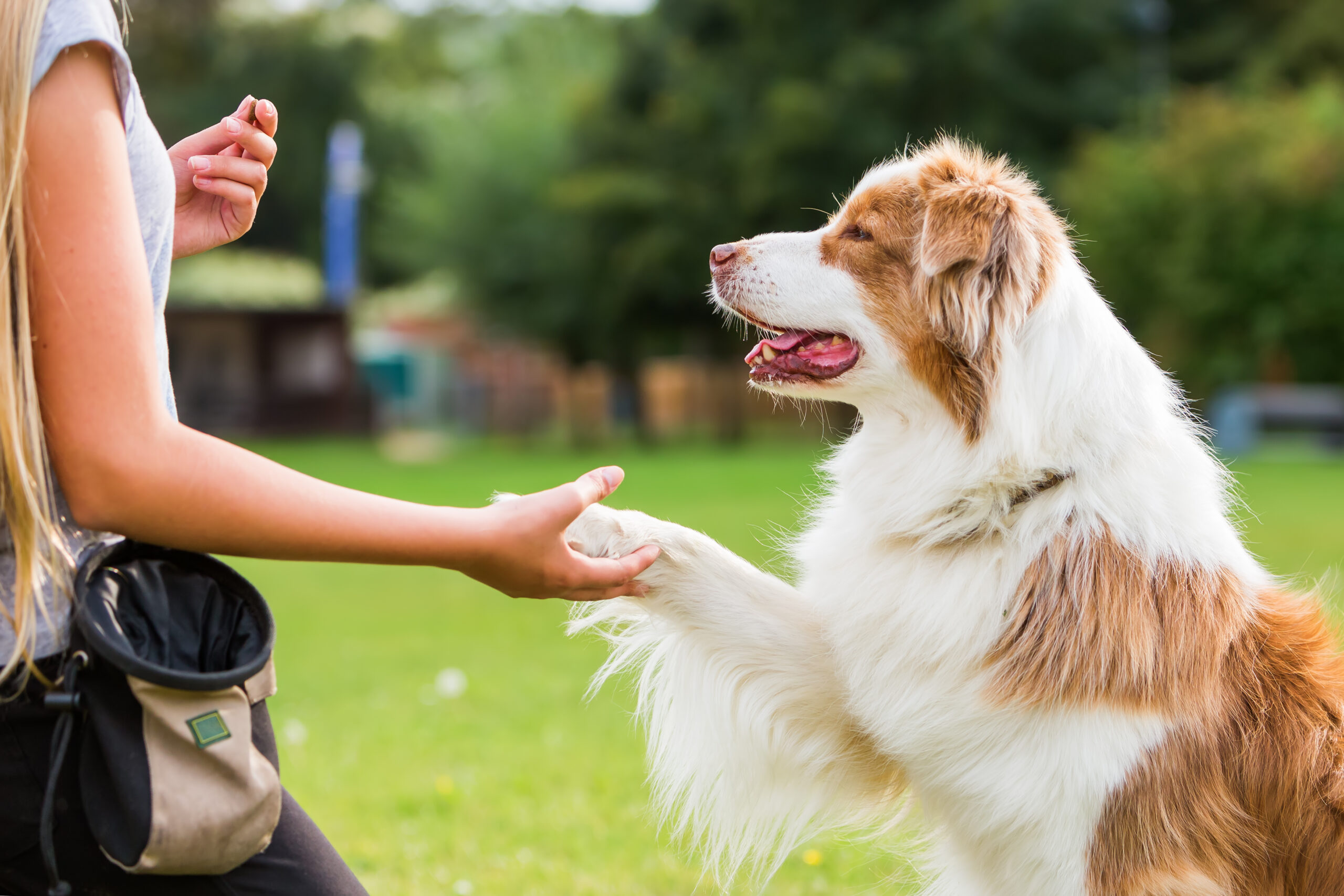
- Treats: Small, soft, and highly palatable (e.g., boiled chicken pieces, store-bought training treats)
- Praise: Cheerful words and happy tones like “Good boy!” or “Yes!”
- Play: A favorite toy or quick game of tug as a reward
- Affection: Petting or cuddling for dogs who respond well to physical praise
Avoid punishment or harsh methods; these can damage trust, cause fear, and lead to aggression or anxiety.
Step 3: Teach Basic Commands
Start with fundamental commands that create a foundation for good behavior.
1. Sit
- Hold a treat near your dog’s nose.
- Slowly move the treat back over their head.
- As their bottom naturally lowers, say “Sit.”
- Immediately reward with the treat and praise.
2. Stay
- Ask your dog to sit.
- Open your palm facing them and say “Stay.”
- Take one step back, pause briefly, then reward if they hold the position.
- Gradually increase distance and duration.
3. Come
- Use a happy voice to say “Come.”
- Kneel or crouch to appear inviting.
- Reward enthusiastically when your dog returns.
- Practice with a long leash to ensure safety during early stages.
4. Down
- From a sit, move a treat from the nose toward the floor.
- Encourage your dog to lie down while saying “Down.”
- Reward immediately once they comply.
5. Leave It
- Show your dog a treat in your closed fist.
- When they stop trying to get it and pull back, say “Leave it.”
- Reward with a different treat from your other hand.
Keep training sessions short (5–10 minutes) to maintain your dog’s attention and enthusiasm.
Step 4: Practice Consistently and Frequently
Training isn’t a one-time event—it requires frequent repetition.
- Train in short, frequent sessions (2–3 times per day).
- Always end on a positive note.
- Keep commands clear and consistent.
- Slowly introduce distractions (e.g., other dogs, noises) as your dog masters commands.
Consistency is key to helping your dog internalize commands.
Step 5: Socialization is Critical
Good obedience includes social manners.
- Introduce your dog to new people, animals, and environments gradually.
- Enroll in group training classes to practice around other dogs.
- Regular walks in busy places help your dog get comfortable with distractions.
Proper socialization reduces fear, anxiety, and reactivity.
Step 6: Troubleshoot Common Challenges
Even with patience, challenges may arise.
Dog ignores commands:
- Simplify the environment to reduce distractions.
- Use higher-value treats to increase motivation.
- Go back a few steps and practice earlier skills again.
Dog only listens at home:
- Train in multiple settings.
- Slowly add distractions and reward successes.
- Maintain consistent commands and tone everywhere.
Overexcitement:
- Pause training if your dog is too excited.
- Reward calmness.
- Avoid overly energetic praise if it escalates excitement.
Advanced Dog Obedience Training
Once basic commands are solid, consider advanced skills:
- Heel: Walk closely beside you without pulling.
- Place: Go to a designated spot and stay there.
- Wait: Similar to stay, but used for short pauses (e.g., before crossing doors or streets).
- Off-leash Recall: Reliable “come” even with high distractions.
Advanced commands improve safety, control, and enjoyment during outings.

Helpful Tools for Training
While the most important tool is your patience and consistency, these can enhance training:
- Clicker: Marks correct behavior precisely for timing rewards.
- Treat pouch: Keeps rewards handy during training sessions.
- Long training leash: Useful for teaching recall safely.
- Target stick: Guides dogs for more complex behaviors.
Avoid tools that cause pain or fear, such as choke collars or shock devices.
Maintaining Training Over Time
One of the most important—but often overlooked—aspects of dog obedience training is maintenance. Training is not a one-and-done event. Even after your dog has mastered basic commands, consistent practice is essential to keep those skills sharp and prevent old habits from creeping back.
Practice Regularly to Maintain Skills
Just like humans, dogs can forget if they don’t use what they’ve learned. Regularly revisiting commands helps reinforce the behavior. Incorporate short training sessions into your daily routine—whether before mealtime, during walks, or playtime. Consistency helps your dog understand that obedience is an ongoing expectation, not just a phase.
Continue Rewarding Good Behavior
Even once your dog reliably follows commands, continue to reward and praise them. This positive feedback strengthens their motivation and willingness to obey. Over time, you can gradually reduce the frequency of treats, but verbal praise and affection should always remain a staple. Remember, your tone and enthusiasm often mean as much as the treats themselves.
Add New Challenges and Environments
To keep your dog engaged and adaptable, introduce new distractions and environments. Practice obedience commands in different places—busy parks, pet-friendly stores, or new neighbors’ yards. This generalization ensures your dog understands commands apply everywhere, not just in the quiet comfort of your home. You can also increase difficulty by combining commands (e.g., “sit” then “stay” while you walk away), or adding duration (longer “stay” times).
Keep Sessions Fun and Engaging
Training should never become a chore for your dog or you. Vary the activities, use games, and keep sessions brief but frequent. Play hide-and-seek, teach new tricks, or incorporate agility exercises. A mentally stimulated dog is a happy dog, and training can be a source of joy and bonding rather than frustration.
Lifelong Training Supports a Happy, Obedient Dog
Dogs thrive when they have clear expectations and feel successful. Lifelong obedience training helps prevent behavior problems, keeps your dog mentally sharp, and deepens the trust between you. It also helps your dog adjust to life’s changes—moving, new family members, or aging—with confidence and calm.
Ultimately, think of training as a continuous journey, not a destination. The time and effort you invest in maintaining your dog’s obedience will pay dividends in a well-behaved, balanced, and joyful companion for years to come.
When to Seek Professional Help
If your dog has behavioral issues like aggression, anxiety, or stubbornness, or if you’re struggling to make progress, a professional dog trainer can help.
Look for trainers who:
- Use positive, force-free methods
- Are certified by organizations like IAABC or CCPDT
- Tailor training to your dog’s needs
Professional guidance can accelerate progress and improve your relationship.
Final Thoughts: Your Journey to Canine Mastery
Dog obedience training is a rewarding journey that strengthens your bond, enhances safety, and improves quality of life for both you and your dog. Whether starting with a tiny puppy or retraining an older dog, the right techniques, consistency, and patience make all the difference.
Remember to keep training positive, fun, and frequent—and celebrate every small success. Your dog will thank you with loyalty, love, and a lifetime of good behavior.
Start today, and watch your canine companion grow into a confident, well-mannered friend. You’re not just training commands—you’re mastering a lifelong partnership.