


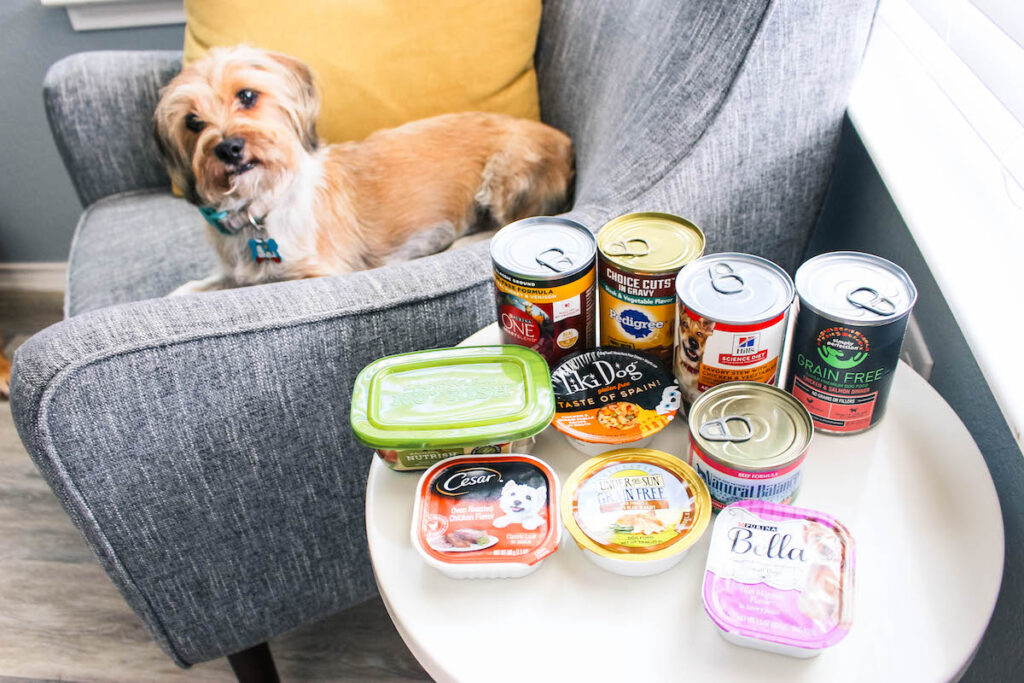


Canned dog food is one of the most popular feeding choices for pet owners, and it’s not hard to see why. It’s tasty, aromatic, and often contains more meat and moisture than dry kibble. Many dogs find it irresistible, making it a great option for picky eaters or those with dental issues.
However, there’s one challenge that comes with this tasty meal option—getting the portion right. Overfeeding your dog can lead to obesity, digestive problems, and long-term health issues. Underfeeding, on the other hand, can result in malnutrition, low energy, and poor coat health.
In this complete feeding guide, you’ll learn how to determine the right portion of canned dog food for your furry friend, how to read labels correctly, and what adjustments to make based on age, size, activity level, and health needs.


Why Portion Control Is Critical
Even though canned dog food is highly nutritious, feeding too much or too little can have serious consequences. Here’s why balance matters:
Overfeeding Risks:
-
Obesity – Excess weight puts strain on your dog’s joints, heart, and organs.
-
Digestive problems – Loose stools, gas, or bloating.
-
Diabetes risk – High body fat can cause insulin resistance.
-
Reduced lifespan – Overweight dogs live, on average, two years less than lean dogs.
Underfeeding Risks:
-
Nutritional deficiencies – Missing out on protein, vitamins, and minerals.
-
Low energy – Dogs may seem tired or unwilling to play.
-
Weak immune system – Making them prone to illness.
-
Poor coat quality – Dull fur, excessive shedding, and flaky skin.
Finding the right amount of canned dog food ensures your pet gets the energy and nutrients they need—without excess calories.
Understanding a Canned Dog Food Label
Before you can portion correctly, you need to know how to read the label on your dog’s food.
1. Feeding Guidelines
Most canned dog foods have a recommended feeding chart based on weight. For example:
| Dog Weight | Daily Amount |
|---|---|
| 10 lbs | ¾ to 1 can |
| 25 lbs | 1 ½ to 2 cans |
| 50 lbs | 3 to 4 cans |
Keep in mind, these are general guidelines—your dog’s actual needs may be higher or lower depending on their activity level, metabolism, and age.
2. Caloric Content
This is the most important number on the label. It’s usually written as “calories per can” or “kcal per can.”
Example: If one can contains 350 kcal and your dog needs 700 kcal/day, they’ll need about two cans per day.
3. Guaranteed Analysis
This section tells you the protein, fat, fiber, and moisture content. Moisture is high in canned food—usually around 75–80%—which makes it great for hydration but also means calorie density is lower than dry kibble.
4. Ingredient List
Look for real meat (like chicken, beef, or fish) as the first ingredient. Avoid unnecessary fillers, artificial colors, and excessive preservatives.
How Much Canned Dog Food Does Your Dog Need?
While the label gives you a starting point, the right portion depends on several factors:
1. Dog Size & Weight
Small dogs need fewer calories overall, but they burn energy faster, so their portion per pound is often higher.
2. Age
-
Puppies – Require 2–3 times more calories than adult dogs of the same weight.
-
Adult dogs – Need steady maintenance calories.
-
Senior dogs – Usually require fewer calories due to slower metabolism.
3. Activity Level
Active dogs that walk or run daily may need 20–40% more food than low-activity dogs.
4. Health Status
Dogs with medical conditions such as thyroid issues, kidney disease, or diabetes often require a customized feeding plan from a veterinarian.
Step-by-Step Portion Calculation
Here’s a simple way to estimate the correct portion using your dog’s weight and the canned food’s calorie count:
1. Calculate Resting Energy Requirement (RER)
RER = 70 × (body weight in kg)^0.75
2. Multiply for Maintenance Energy Requirement (MER)
-
Neutered adult dogs: RER × 1.6
-
Active dogs: RER × 2.0 or more
-
Puppies: RER × 2–3 depending on growth stage
Example Calculation:
-
Dog weight: 20 lbs (≈ 9 kg)
-
RER = 70 × (9^0.75) ≈ 350 kcal/day
-
MER for adult neutered = 350 × 1.6 ≈ 560 kcal/day
-
Canned food calories: 280 kcal/can
-
Portion: 560 ÷ 280 = 2 cans/day
Mixing Canned Dog Food and Dry Kibble
Many pet owners combine the two for texture variety, flavor, and balanced nutrition. If you do:
-
Adjust kibble portions when adding canned food to avoid overfeeding.
-
Keep the calorie count in mind—mixing doesn’t mean doubling the total amount.
-
Introduce changes gradually to avoid stomach upset.
Feeding Schedule Tips
-
Divide meals – Feed twice a day for adults, three to four times for puppies.
-
Stick to routine – Dogs thrive on consistency.
-
Don’t leave canned food out – It spoils quickly; discard uneaten portions after 2–4 hours.
How to Tell If You’re Overfeeding
Signs your dog may be eating too much canned food:
-
Rapid weight gain
-
Fat pads over ribs and hips
-
Less energy or reluctance to exercise
-
Loose stools or frequent bowel movements
How to Tell If You’re Underfeeding
Signs your dog isn’t getting enough:
-
Ribs, spine, and hips are easily visible
-
Constant begging for food
-
Lethargy and low stamina
-
Dull coat and flaky skin
Storage Tips for Canned Dog Food
-
Unopened cans – Store in a cool, dry place.
-
Opened cans – Refrigerate promptly and use within 3–5 days.
-
Serving tip – Warm refrigerated portions to room temperature to enhance flavor.
Common Mistakes to Avoid
-
Ignoring calorie content – Portion sizes should be based on calories, not just “one can.”
-
Overlooking treats – Keep treats under 10% of total daily calories.
-
Switching foods abruptly – Sudden changes can upset digestion.
-
Not consulting your vet – Especially if your dog’s weight changes unexpectedly.
Body Condition Scoring: A Visual Check
Vets often use a Body Condition Score (BCS) chart to evaluate weight. A healthy dog should have:
-
A visible waist from above
-
A slight tummy tuck from the side
-
Ribs easily felt but not protruding
If your dog is outside the ideal range, adjust their canned dog food portions accordingly.
Final Thoughts
Feeding your dog canned dog food can be a great way to provide hydration, flavor, and balanced nutrition. But the key is getting the portion size just right—enough to meet their energy needs without causing weight gain.
Start with the feeding guidelines on the label, adjust based on your dog’s body condition, activity level, and age, and always monitor their weight over time. If in doubt, your veterinarian can help fine-tune your dog’s diet for optimal health.
With the right approach to portion control, you’ll not only keep your dog in great shape—you’ll also ensure every meal is as satisfying and healthy as possible.