


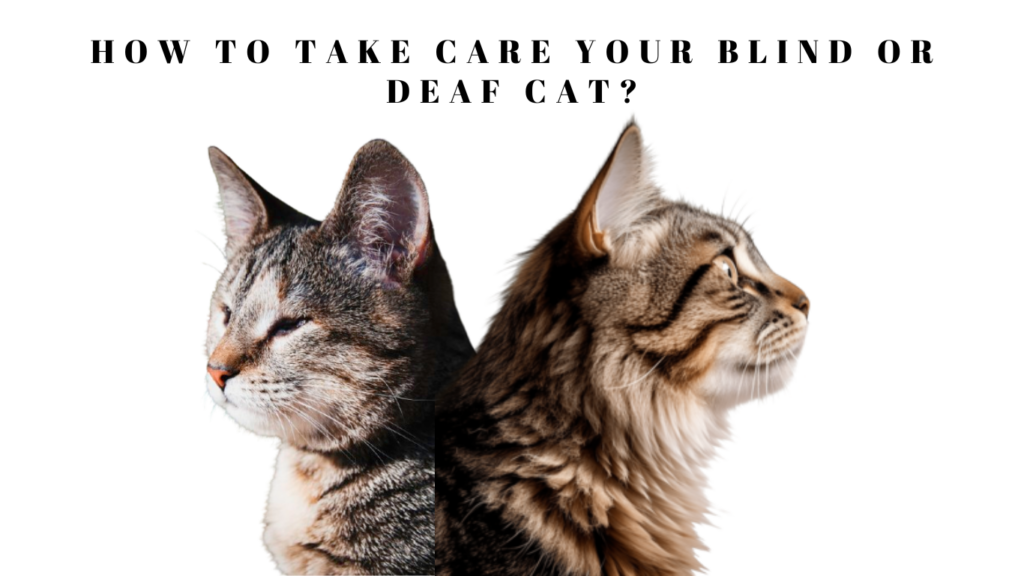


When you share your home with a blind or deaf cat, they quickly become an integral part of your family. But what happens when your cat becomes blind or deaf, or is born with one of these impairments? It can be overwhelming for pet parents, but with the right knowledge and tools, you can ensure that your blind or deaf cat lives a happy, healthy, and comfortable life.
In this comprehensive guide, we’ll explore everything you need to know about caring for blind or deaf cats. From recognizing signs of blindness or deafness to providing special accommodations, we’ll help you provide the best care for your feline companion.
1. Understanding Blindness and Deafness in Cats
Before diving into care tips, it’s essential to understand what it means for a cat to be blind or deaf. While some cats are born with these conditions, others may develop them due to aging, illness, or injury.
Blind Cats: Blindness in cats can occur due to a variety of reasons, including cataracts, retinal issues, or diseases like diabetes. Signs that your cat might be blind include bumping into furniture, disorientation, or hesitating to move through spaces. Keep in mind that some cats adjust remarkably well to blindness and can lead full, active lives with proper care.
Deaf Cats: Deafness in cats is often caused by genetics, age-related hearing loss, or injury. Signs of deafness may include a cat not responding to loud noises, such as a can opener or your voice. Cats with hearing impairments often rely on their sense of sight and smell, and some may become more vocal to compensate for their lack of hearing.
2. Creating a Safe Environment for Blind or Deaf Cats
One of the most important steps in caring for blind or deaf cats is ensuring their environment is safe and comfortable. Since these cats rely on their other senses more heavily, it’s crucial to modify their living space to suit their needs.
For Blind Cats:
-
Consistency is key: Blind cats rely on memory and routine. Keep furniture in the same place to prevent confusion. Avoid rearranging the home too often, as it can disorient them.
-
Use tactile markers: Adding texture to certain areas can help a blind cat navigate more easily. Consider using rugs, soft mats, or furniture with distinct textures. This will help them recognize familiar places.
-
Safety measures: Ensure there are no dangerous areas like stairs, steep ledges, or sharp objects that could harm your blind cat.
For Deaf Cats:
-
Vibration and touch cues: Deaf cats rely on vibration and touch to communicate and navigate their surroundings. You can use gentle vibrations from your feet or hands to signal your cat. Try stomping lightly on the floor before approaching them to avoid startling them.
-
Visual cues: Deaf cats respond well to visual cues. Consider using hand signals or flashing lights to call them or get their attention.
3. Feeding and Grooming Blind or Deaf Cats
Blind and deaf cats can still eat, drink, and groom themselves, but they may need some extra help and encouragement to do so.
Feeding Tips for Blind or Deaf Cats:
-
Use consistent feeding locations: Always place food and water bowls in the same spot so your cat knows where to find them. You may also want to use a raised bowl if your cat has trouble bending down.
-
Introduce scent or flavor changes: For deaf cats, you can use different scents or flavors to engage them during mealtime, making the process more enjoyable and stimulating.
Grooming Blind or Deaf Cats:
-
Brushing and bathing: Regular grooming is essential for both blind and deaf cats. Use soft brushes and check for tangles, mats, or skin conditions. Since they may not always be able to detect discomfort, it’s important to be gentle and thorough during grooming sessions.
-
Check for injuries: Blind or deaf cats may not always be aware of potential injuries or irritations. Check their paws, ears, and coat regularly for cuts, scratches, or infections.
4. Training and Communication with Blind or Deaf Cats
Training a blind or deaf cat can require some creativity, but it’s absolutely possible. These cats may not respond to verbal cues, but they can still learn and thrive with the right methods.
Training a Blind Cat:
-
Use touch and sound: Blind cats may rely on sound cues, such as a clicker, or even the sound of a toy, to engage them in training. Positive reinforcement, like treats and praise, will help them associate desired behaviors with rewards.
-
Encourage scent-based games: Scent-based toys and games are great for blind cats. Hide treats or toys around the house and encourage your cat to use their sense of smell to find them.
Training a Deaf Cat:
-
Visual cues: Deaf cats can be trained using visual cues like hand signals or flashing lights. Start with basic commands like “sit” or “come” and associate them with a gesture or a flash of light. Always use positive reinforcement.
-
Stomp on the floor: Deaf cats may respond to the vibrations caused by stomping. If you want to get your cat’s attention, gently stomp on the floor or tap the ground.
5. Special Products for Blind or Deaf Cats
There are various products designed to make life easier and safer for blind or deaf cats. Here are some recommendations:
For Blind Cats:
-
Automatic Litter Box: For blind cats, an automatic litter box can ensure that their bathroom habits are maintained with minimal hassle.
-
Interactive Toys: Toys with different textures or that emit sounds can be great for blind cats. Consider toys with bells or soft vibrations to help them engage and have fun.
-
Protective Furniture Covers: For blind cats that may bump into furniture, soft and cushioned furniture covers can prevent injury.
For Deaf Cats:
-
Vibration Collar: A vibration collar can help communicate with a deaf cat by sending gentle vibrations to get their attention.
-
Interactive Visual Toys: Consider toys that light up or have visible movement to engage your deaf cat.
-
Clap-on Lights: Use clap-on lights to signal your cat. These can help get their attention when you want them to come to you or signal that it’s time for a meal.
6. The Emotional Side of Caring for Blind or Deaf Cats
Caring for a blind or deaf cat requires patience, but it also creates a strong bond between you and your pet. These cats often become very in tune with their owners’ emotions and routines. They may rely more heavily on you for comfort and guidance, making the relationship all the more special.
Remember to always approach your cat with kindness, understanding, and positive reinforcement. They may have special needs, but they also have an immense capacity for love and affection. By providing a safe, stimulating environment and plenty of attention, you’ll ensure that your blind or deaf cat feels secure and loved.
Caring for a blind or deaf cat comes with its own set of challenges, but it also opens the door to a truly special bond between you and your feline companion. With a few adjustments to your home and lifestyle, along with the right tools and techniques, you can provide the best care for your blind or deaf cat. From visual cues and scent-based games to specialized products, you’ll have everything you need to ensure your cat lives a full and happy life.