


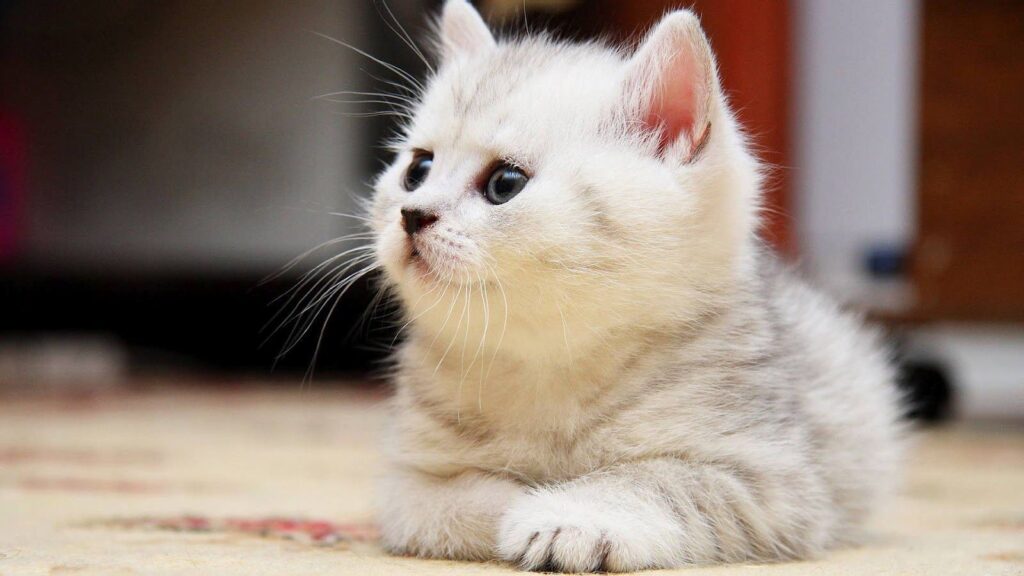


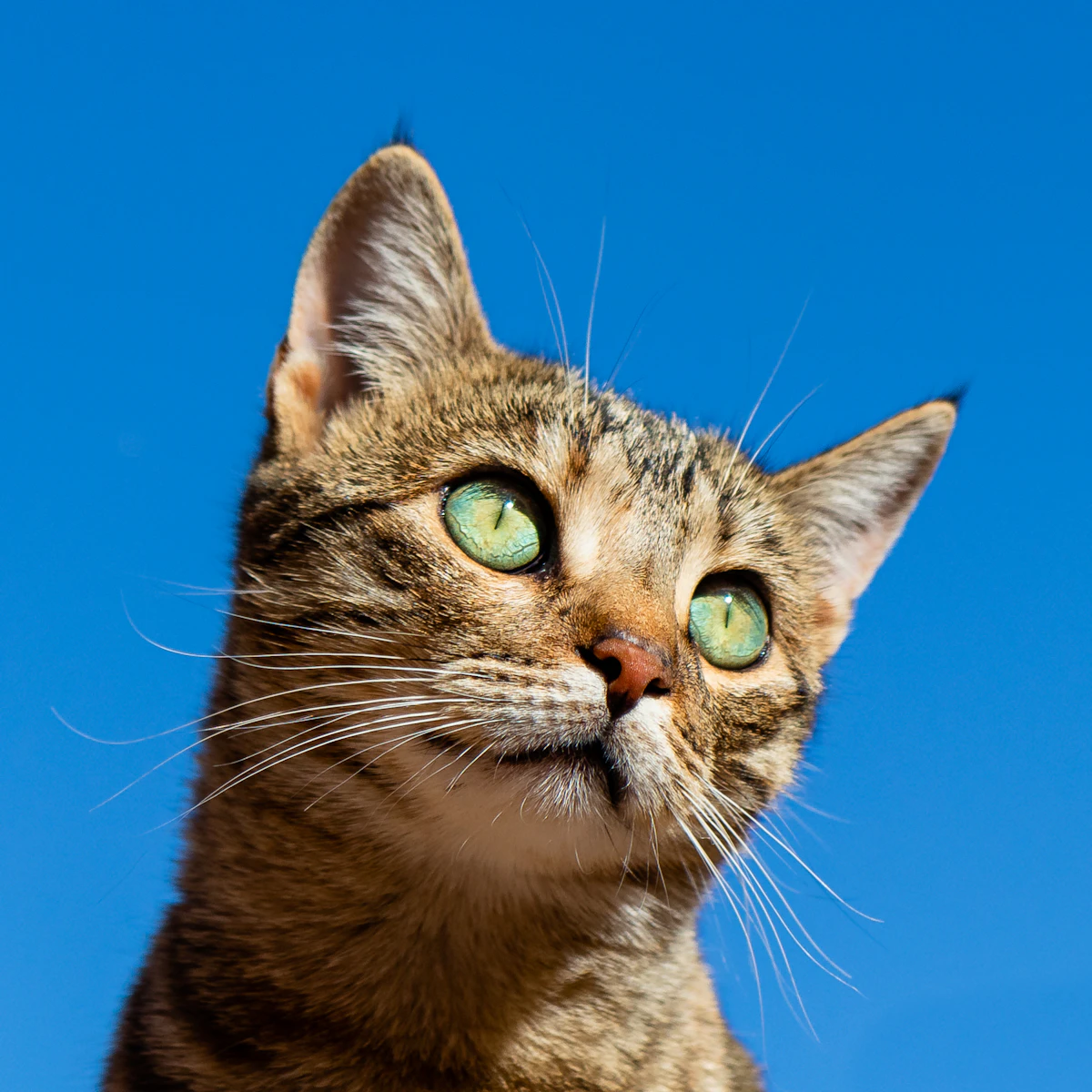
Are you dreaming of a feline companion that stays small and adorable throughout their life? Cat breeds that stay small offer the perfect solution for apartment dwellers, small space living, or simply those who prefer pint-sized pets. These miniature marvels pack enormous personalities into compact packages, bringing all the joy of cat ownership without requiring extensive space. In this comprehensive guide, we’ll explore the most popular small cat breeds, their unique characteristics, and how to choose the perfect tiny companion for your home.
What Defines a Small Cat Breed?
When discussing small cat breeds, we typically refer to adult cats weighing less than 10 pounds. While the average domestic cat weighs between 8-12 pounds, these tiny treasures consistently maintain weights on the lower end of the scale. According to the Cat Fanciers’ Association, breed size classifications consider both weight and body structure.
Key characteristics of small cat breeds include:
- Adult weight under 10 pounds
- Compact body structure
- Proportionally smaller features
- Often slower growth rates
A small cat breed is defined as a domestic cat that typically weighs less than 10 pounds in adulthood. The world’s smallest cat breed is the Singapura, weighing just 4-8 pounds, followed by other petite breeds like Munchkins (5-9 pounds) and Devon Rex (5-10 pounds).


Top 8 Cat Breeds That Stay Small Throughout Their Lives
1. Singapura: The World’s Smallest Cat Breed
Known as the “drain cat” due to their reputation for living in Singapore’s sewers, Singapuras hold the title of the world’s smallest domestic cat breed. These tiny cats typically weigh between 4-8 pounds, with females often remaining under 6 pounds.
Key traits:
- Sepia-colored coat with ticked tabby pattern
- Large, expressive eyes
- Muscular despite small size
- Extremely affectionate and social
2. Munchkin: The Dachshund of Cats
Munchkins are perhaps the most recognizable small cat breed, thanks to their distinctive short legs. This genetic trait doesn’t affect their mobility but gives them their characteristic low-to-the-ground appearance.
Key characteristics:
- Weight: 5-9 pounds
- Short legs due to genetic mutation
- Available in all coat colors and patterns
- Playful and outgoing personality
3. Japanese Bobtail: Ancient and Adorable
With a history dating back over 1,000 years, the Japanese Bobtail combines cultural significance with petite proportions. Their most distinctive feature is their short, pom-pom-like tail.
Notable features:
- Weight: 5-10 pounds
- Unique bobbed tail
- Highly vocal and interactive
- Athletic and agile despite small size
4. Cornish Rex: The Elegant Aristocrat
The Cornish Rex stands out with its distinctive wavy coat and slender build. These cats maintain their kittenish appearance well into adulthood, making them eternally youthful-looking.
Defining traits:
- Weight: 6-10 pounds
- Curly, ultra-soft coat
- High energy levels
- Exceptional intelligence
5. Devon Rex: The Pixie Cat

Often called “pixie cats” due to their elfin appearance, Devon Rex cats charm with their huge ears and mischievous expressions. These small domestic cats are known for their playful, almost dog-like personalities.
Characteristics:
- Weight: 5-10 pounds
- Short, wavy coat
- Large, satellite-dish ears
- Extremely social and affectionate
6. American Curl: Uniquely Eared
American Curls are instantly recognizable by their distinctive backwards-curling ears. While not as small as some breeds, many lines consistently produce petite specimens.
Key features:
- Weight: 5-10 pounds
- Unique curled ears
- Silky coat in various colors
- Gentle, adaptable personality
7. Scottish Fold: The Owl Cat
Famous for their folded ears and round faces, Scottish Folds often maintain a compact size throughout their lives. Their owl-like appearance has made them incredibly popular worldwide.
Notable traits:
- Weight: 6-13 pounds (many remain small)
- Folded ears (in most specimens)
- Round body and face
- Sweet, placid temperament
8. Burmese: Compact Elegance
While slightly larger than some breeds on this list, Burmese cats are renowned for their compact, muscular build and maintain relatively small proportions.
Characteristics:
- Weight: 6-12 pounds
- Silky, close-lying coat
- Rounded, compact body
- Extremely affectionate and people-oriented
Common Characteristics of Small Cat Breeds
Small cat breeds share several traits beyond their diminutive size:
- Extended Kittenhood: Many small breeds retain juvenile features well into adulthood
- High Energy Levels: Compensating for size with personality and activity
- Strong Bonds: Typically form deep attachments to their human families
- Adaptability: Well-suited to apartment and small space living
- Longevity: Often enjoy longer lifespans than larger breeds
Breed Comparison
| Breed | Weight Range | Lifespan | Grooming Needs | Energy Level | Child-Friendly |
|---|---|---|---|---|---|
| Singapura | 4-8 lbs | 11-15 years | Low | High | Yes |
| Munchkin | 5-9 lbs | 12-15 years | Moderate | High | Yes |
| Japanese Bobtail | 5-10 lbs | 15-18 years | Low | High | Yes |
| Cornish Rex | 6-10 lbs | 11-15 years | Low | Very High | Yes |
| Devon Rex | 5-10 lbs | 9-15 years | Low | Very High | Yes |
| American Curl | 5-10 lbs | 12-16 years | Moderate | Moderate | Yes |
| Scottish Fold | 6-13 lbs | 11-14 years | Moderate | Low-Moderate | Yes |
| Burmese | 6-12 lbs | 16-18 years | Low | Moderate | Yes |
Care Requirements for Small Cat Breeds

Nutrition Considerations
Small cats have unique dietary needs due to their higher metabolic rates:
- Portion Control: Smaller breeds require carefully measured portions to prevent obesity
- Nutrient Density: High-quality, nutrient-dense food is essential
- Feeding Frequency: More frequent, smaller meals often work better
- Special Considerations: Some breeds may need specialized diets (consult your veterinarian)
Exercise and Enrichment
Despite their size, these tiny cats often have enormous energy reserves:
- Interactive toys and puzzle feeders
- Vertical space with cat trees and shelves
- Regular play sessions (15-20 minutes, 2-3 times daily)
- Rotational toy systems to prevent boredom
Grooming Needs
Grooming requirements vary by breed:
- Rex breeds: Minimal grooming, occasional baths
- Long-haired varieties: Regular brushing to prevent matting
- All breeds: Regular nail trimming and dental care
Health Considerations for Small Cat Breeds
While generally healthy, small cat breeds may face specific health challenges:
Common Health Issues
- Dental Problems: Smaller jaws can lead to overcrowding
- Hypoglycemia: Higher risk in very small cats
- Joint Issues: Particularly in Munchkins
- Heart Conditions: Some breeds prone to HCM
According to the American Veterinary Medical Association, regular check-ups are crucial for early detection of breed-specific health issues.
Preventive Care
- Annual veterinary examinations
- Dental cleanings as recommended
- Appropriate vaccination schedule
- Parasite prevention
- Spaying/neutering considerations
Making the Right Choice: Which Small Breed is Right for You?
When selecting a small cat breed, consider these factors:
Living Space
- Apartment dwellers might prefer quieter breeds like Scottish Folds
- Active households can accommodate energetic breeds like Devon Rex
- Families with children should consider hardy breeds like Burmese
Lifestyle Considerations
- Work schedule: Some breeds require more attention than others
- Other pets: Consider breed compatibility
- Activity level: Match the cat’s energy to your lifestyle
- Allergies: Some breeds are more hypoallergenic than others
Financial Considerations
- Initial cost: Purebred cats can be expensive
- Ongoing care: Consider food, veterinary care, and grooming costs
- Insurance: Pet insurance may be worthwhile for some breeds
The International Cat Association recommends researching breeders thoroughly and meeting the breed in person before making a decision.
Conclusion
Cat breeds that stay small offer the perfect combination of manageable size and maximum personality. Whether you choose the world’s smallest Singapura, the uniquely shaped Munchkin, or any of the other delightful small cat breeds, you’re sure to find a tiny treasure that fits perfectly into your life. These miniature marvels prove that good things truly do come in small packages, bringing joy, companionship, and endless entertainment to homes worldwide.
Remember to consider your lifestyle, living situation, and ability to meet the breed’s specific needs before making your choice. With proper care, attention, and love, these small cat breeds will reward you with years of faithful companionship and affection.
Have you had experience with any of these small cat breeds? Which one catches your eye as the perfect tiny companion for your home? Share your thoughts in the comments below, or read more blogs.