

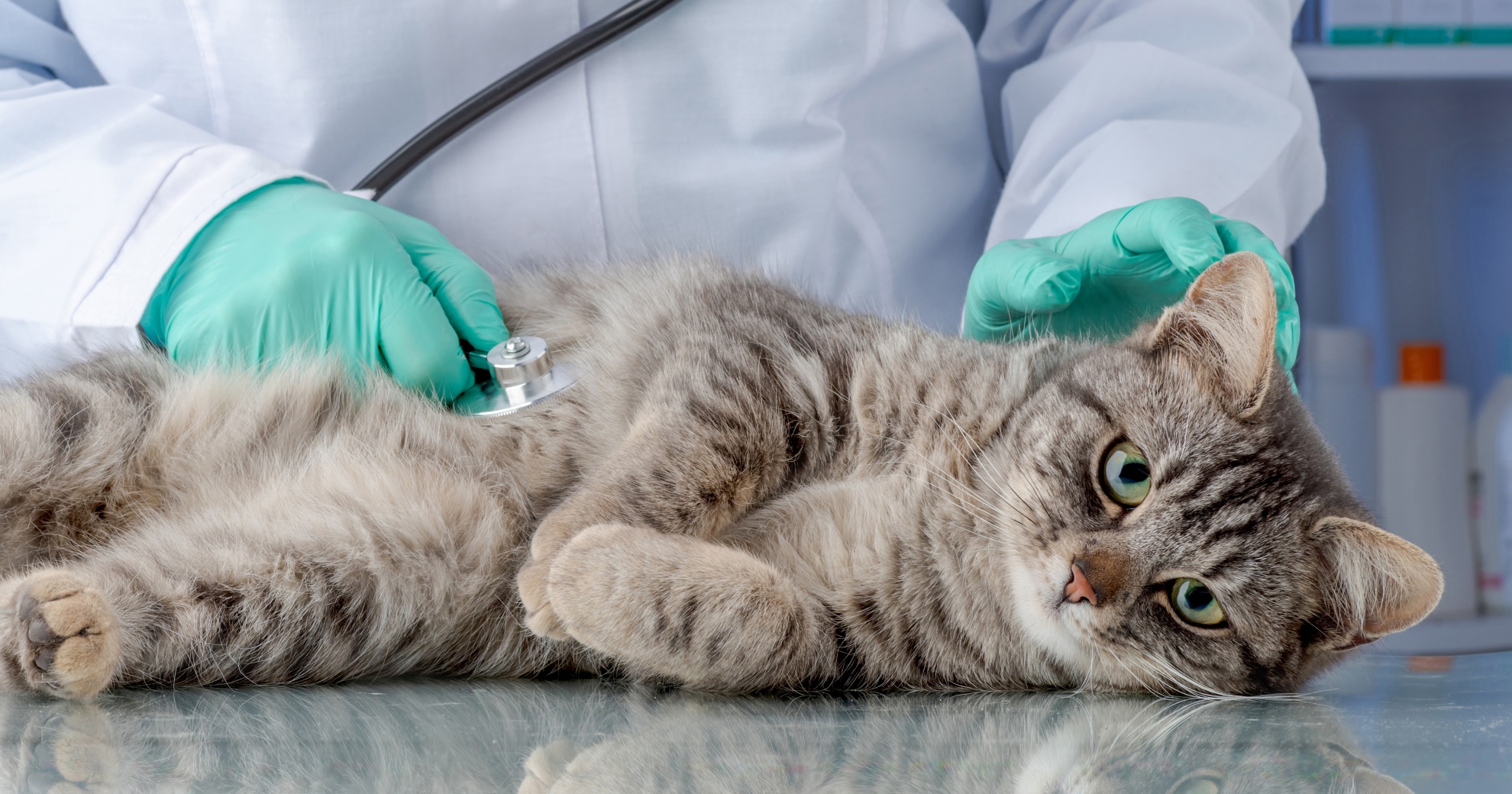

Cancer in cats is a serious health concern that many pet owners may encounter during their cat’s lifetime. Understanding Cat Cancer Types is crucial because while not all cancers are fatal, early detection and treatment can significantly improve the chances of a positive outcome. Knowing the common Cat Cancer Types, being able to recognize the early warning signs, and seeking prompt veterinary attention are key to managing this condition effectively.
Some of the most common Cat Cancer Types include lymphoma, which often affects the lymphatic system and is frequently associated with the feline leukemia virus (FeLV); squamous cell carcinoma, a form of skin cancer typically seen in light-colored or sun-exposed areas; and fibrosarcoma, a tumor that develops in the soft tissues and may be associated with injection sites. Other Cat Cancer Types include mammary gland tumors, which are more common in unspayed females, and oral cancers, which can interfere with eating and grooming.
Signs that may indicate cancer in a cat include unexplained weight loss, lumps or bumps under the skin, changes in appetite or behavior, persistent sores, difficulty breathing or swallowing, and lethargy. Regular veterinary checkups, maintaining a healthy lifestyle, and being observant of any unusual changes can help ensure your cat receives timely diagnosis and care. Early intervention often leads to better outcomes when dealing with various Cat Cancer Types.
01. Lymphoma
Lymphoma is the most common type of cancer in cats, affecting the lymphatic system. It can appear in various forms, such as:
- Multicentric Lymphoma: Involves multiple lymph nodes throughout the body.
- Mediastinal Lymphoma: Found in the chest, often in younger cats, particularly those with feline leukemia virus (FeLV).
- Alimentary Lymphoma: Affects the gastrointestinal tract, causing symptoms like vomiting, diarrhea, and weight loss.
02. Squamous Cell Carcinoma (SCC)
Squamous Cell Carcinoma is a type of skin cancer commonly seen in cats, especially those with white or light-colored fur. It typically affects areas with less hair, such as the nose, ears, and eyelids. Cats with prolonged exposure to sunlight are at higher risk for SCC.
03. Mammary Gland Tumors
Mammary Gland Tumors are the third most common cancer in cats, primarily affecting older female cats, particularly those that are not spayed or were spayed later in life. These tumors can be benign or malignant, with the latter often spreading to other parts of the body.
04. Fibrosarcoma
Fibrosarcoma is a type of soft tissue sarcoma originating from the fibrous connective tissues. This cancer is often associated with injection sites, earning the name “injection-site sarcoma.” It can be aggressive and may recur after surgical removal.
05. Oral Cancer
Oral Cancer, usually presenting as squamous cell carcinoma, can occur in the mouth of cats. Symptoms include drooling, difficulty eating, bad breath, and visible masses or sores in the mouth. Early detection and treatment are essential for managing this type of cancer.
06. Mast Cell Tumors
Mast Cell Tumors are less common in cats compared to dogs. They can occur on the skin or internally, such as in the spleen or intestines. Skin mast cell tumors are typically benign, whereas internal ones can be more aggressive.
Recognizing the Signs of Cancer in Cats
Early detection is crucial for the successful treatment of cancer in cats. Here are some common signs to watch for:
- Unexplained weight loss
- Lumps or bumps that grow over time
- Changes in appetite or eating habits
- Persistent vomiting or diarrhea
- Difficulty breathing or coughing
- Changes in behavior or lethargy
- Sores that do not heal
Conclusion
Understanding the common Cat Cancer Types that affect cats and recognizing the early signs are crucial steps in ensuring your feline companion receives prompt and effective veterinary care. Cats can develop various forms of cancer, such as lymphoma, squamous cell carcinoma, and mammary gland tumors—some of the most prevalent Cat Cancer Types—each with different symptoms and treatment options.
Early detection of these Cat Cancer Types significantly improves the chances of successful treatment and can often lead to a better prognosis. Regular veterinary check-ups play a vital role in monitoring your cat’s overall health and catching any abnormalities before they progress into serious Cat Cancer Types. In addition to routine exams, maintaining a healthy lifestyle for your cat—including a balanced diet, regular exercise, and minimizing exposure to harmful substances—can contribute to reducing risks associated with various Cat Cancer Types.
Pet owners should stay vigilant and watch for any unusual signs such as lumps, swelling, unexplained weight loss, changes in appetite, lethargy, difficulty breathing, or changes in behavior. If you notice any of these symptoms or anything else out of the ordinary, it’s important to consult your veterinarian promptly for a thorough evaluation. Early diagnosis and timely intervention are the most effective ways to manage cancer in cats, helping to extend their lifespan and improve their quality of life. Being proactive and attentive to your cat’s health can make all the difference in their well-being.
Stay Informed, Stay Prepared
Caring for a cat involves much more than just providing food and shelter—it requires a deep understanding of their health needs and potential risks they may face throughout their lives. One important aspect of responsible cat care is being aware of common health problems, including cat cancer types that can affect cats. Just like humans, cats can develop various cat cancer types, and early detection is key to successful treatment. Some common cancers in cats include lymphoma, squamous cell carcinoma, and mammary gland tumors, all among the most frequently diagnosed cat cancer types.
By staying informed about the symptoms associated with these cancers, such as lumps or bumps, unexplained weight loss, difficulty eating, changes in behavior, or persistent wounds that don’t heal, you can help catch problems early. Regular veterinary check-ups are essential, as your vet can perform thorough examinations and recommend screenings if needed, especially for detecting cat cancer types early.
In addition to medical care, providing a healthy diet, a safe environment, and minimizing exposure to toxins can reduce your cat’s risk of developing serious illnesses, including various cat cancer types. Remember, your vigilance, love, and prompt action are crucial. When you notice any unusual signs or behaviors, don’t hesitate to consult your veterinarian. With your care and attention, your cat has the best chance at a long, healthy, and happy life.