


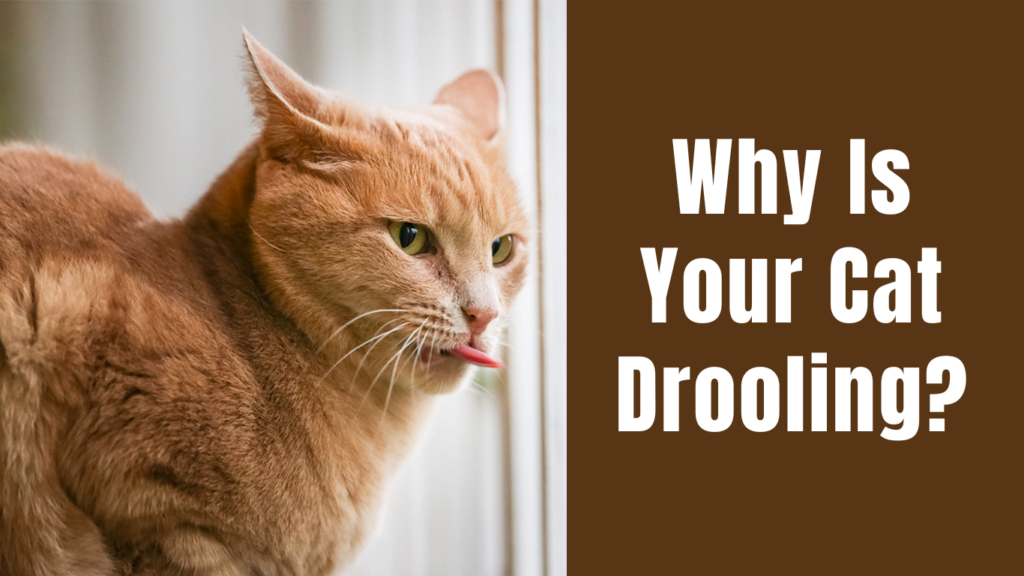


Cat Drooling may seem unusual or even alarming—especially if it’s never happened before. Unlike dogs, cats don’t typically drool very often, and when they do, it’s usually for a specific reason. Sometimes, drooling is completely harmless, but in other cases, it may signal an underlying health issue that requires veterinary attention.
In this guide, we’ll help you decode the mystery behind your cat’s drooling behavior. We’ll explore the common causes, when you should worry, and what steps you can take to ensure your feline friend stays healthy.
Is Cat Drooling Normal?
Occasional, small amounts of drool from your cat—especially during moments of relaxation or contentment—can be totally normal. Some cats may salivate slightly when they’re purring and kneading a soft blanket or snuggling with their favorite human. This is known as “happy drooling” and usually isn’t a concern.
However, excessive or sudden drooling, especially if it’s accompanied by other symptoms, should be taken seriously. Persistent or unexplained drooling can be a red flag for dental disease, poisoning, infections, or other medical issues.
Common Causes of Cat Drooling
1. Dental Problems
Dental disease is one of the most common reasons for cat drooling. Inflammation, tooth decay, gingivitis, or painful oral infections can cause excess saliva. Tartar buildup can also irritate the gums and cause your cat to drool.
Signs to watch for:
-
Difficulty eating
-
Pawing at the mouth
-
Bleeding gums
-
Swollen jaw or mouth area
Veterinary Tip: Regular dental cleanings and yearly vet checkups can prevent most dental-related drooling.
2. Nausea or Digestive Issues
Just like humans, cats may drool when they feel nauseous. This can be due to a variety of reasons, including:
-
Hairballs
-
Gastrointestinal upset
-
Inflammatory bowel disease
-
Motion sickness (especially in car rides)
Cats that feel queasy may drool, lick their lips excessively, or even vomit.
3. Toxins and Poison Ingestion
If your cat has come into contact with or ingested something toxic, drooling could be one of the first warning signs. Household items such as:
-
Cleaning products
-
Human medications
-
Toxic plants (e.g., lilies, poinsettias)
-
Insecticides or rodenticides
…can cause an adverse reaction that results in excessive cat drooling, vomiting, seizures, or even collapse.
Emergency Alert: If you suspect poisoning, contact your vet or emergency animal clinic immediately.
4. Foreign Object in the Mouth or Throat
Sometimes a cat may chew on string, bones, or grass, which can become stuck in their teeth, throat, or palate. This irritates the mouth and stimulates drooling as a natural reflex.
Symptoms include:
-
Sudden drooling
-
Pawing at the mouth
-
Refusal to eat
-
Gagging or choking behavior
Never attempt to remove a stuck object yourself—let a veterinarian handle it safely.
5. Respiratory Infections
Upper respiratory infections (URIs) caused by viruses like feline herpesvirus or calicivirus may lead to excessive drooling. These infections often cause inflammation of the mouth, tongue, and throat, making it painful to swallow.
Look out for:
-
Nasal discharge
-
Loss of appetite
-
Mouth ulcers
These infections are contagious between cats and should be treated promptly to avoid complications.
6. Heatstroke or Overheating
Though less common in cats than in dogs, heatstroke can cause cat drooling. It’s usually accompanied by panting, red gums, lethargy, and difficulty breathing. This is more likely to happen in extremely hot environments or with cats left in confined spaces without ventilation.
Make sure your cat always has access to fresh water and a cool resting spot, especially during warm months.
7. Cancer or Tumors
Oral cancers or growths in the mouth or throat can also lead to drooling. These masses may interfere with your cat’s ability to eat or swallow, causing excess saliva to accumulate.
Cats with oral tumors might:
-
Show weight loss
-
Have foul breath
-
Eat less or drop food
-
Develop facial swelling
While it’s a more serious cause, early detection and treatment can improve outcomes significantly.
When Should You Worry About Cat Drooling?
While some forms of drooling are harmless, others should be addressed quickly. Call your vet if your cat is drooling and experiencing any of the following:
-
Sudden behavior changes
-
Bad breath or signs of pain
-
Difficulty swallowing or eating
-
Vomiting or diarrhea
-
Bloody saliva
-
Swollen mouth or jaw
-
Lethargy or hiding behavior
Your vet will perform a thorough oral exam and may run diagnostic tests (like bloodwork or imaging) to determine the underlying cause.
What You Can Do at Home
Until your vet appointment, you can monitor your cat’s behavior closely and take the following precautions:
✅ Remove any possible toxins – Ensure all toxic plants, cleaning agents, and medications are stored safely.
✅ Check their mouth gently – If your cat lets you, take a look inside the mouth for visible signs of injury, objects, or swelling. But don’t force it if they resist.
✅ Keep them hydrated – Make sure they have access to clean, cool water at all times.
✅ Note the frequency and duration – Record when the drooling started, how often it happens, and any additional symptoms for your vet.
How to Prevent Future Episodes
While not all drooling can be prevented, you can reduce the risk by following these tips:
-
Routine dental care – Brush your cat’s teeth (with pet-safe toothpaste) and schedule regular vet dental cleanings.
-
Avoid toxic substances – Learn which plants and foods are dangerous for cats and keep them out of reach.
-
Provide safe toys – Choose toys that are size-appropriate and can’t break into small pieces.
-
Healthy diet – Feed your cat a balanced, vet-approved diet to support their overall health.
-
Vet checkups – Annual or biannual exams can catch issues early and keep your cat in tip-top shape.
Cat drooling isn’t always something to panic about—but it also shouldn’t be ignored. While a little saliva might simply mean your cat is relaxed and happy, persistent or excessive drooling could indicate dental disease, digestive issues, poisoning, or other health problems.
When in doubt, consult your veterinarian to rule out serious causes and get the right treatment. The earlier you catch the problem, the better the outcome for your beloved feline friend.
By staying informed and proactive, you can keep your cat healthy, safe, and purr-fectly happy!