


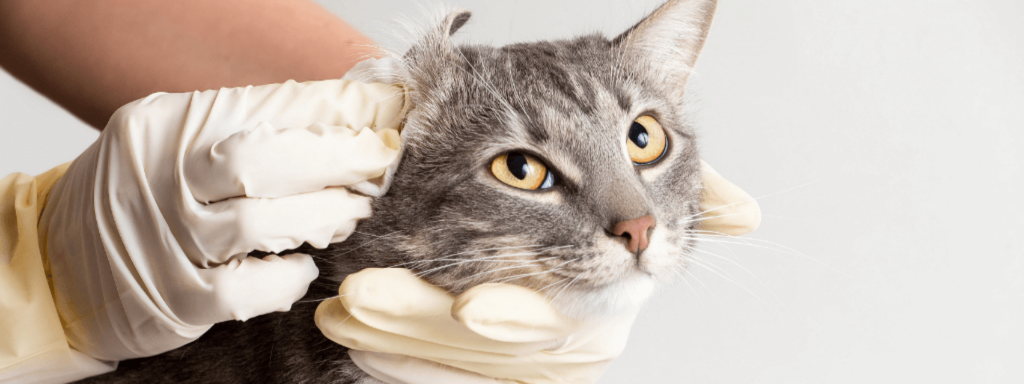


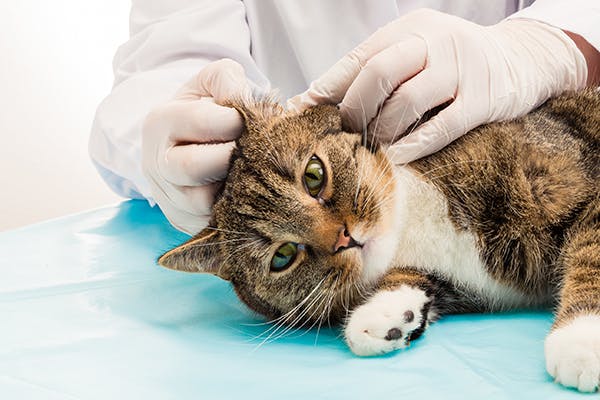
Cat ears do much more than just make your feline friend look adorable—they play a vital role in communication, balance, and even hunting. Cats use subtle ear movements to express emotions like curiosity, irritation, or alertness, making their ears essential tools for interaction with both humans and other animals. Additionally, a cat’s inner ear helps maintain balance, allowing them to leap, run, and climb with agility. However, when Cat Ear Infections occur, these delicate structures can become a source of pain and distress for your pet.
Cat Ear Infections can arise from various causes, including mites, yeast, bacteria, allergies, or even foreign objects lodged in the ear canal. Common signs to watch for include excessive scratching, head shaking, redness, swelling, discharge, or a foul odor. Left untreated, Cat Ear Infections can lead to more serious health issues, including hearing loss or deeper skin infections.
Fortunately, most Cat Ear Infections can be treated effectively with proper veterinary care. This blog will guide you through understanding the causes, recognizing the symptoms, and exploring treatment options. We’ll also offer practical tips for prevention, so you can help your cat maintain healthy ears and avoid future Cat Ear Infections, ensuring a happier, more comfortable life by your side.
Causes of Cat Ear Infections:
Cat ear infections, also known as otitis externa, can be caused by various factors, including:
- Ear Mites: These tiny parasites can infest a cat’s ear canal, causing irritation, inflammation, and infection.
- Bacterial Infections: Bacteria such as Staphylococcus and Pseudomonas can thrive in the warm, moist environment of a cat’s ear, leading to infection.
- Yeast Infections: Yeast, particularly Malassezia, can overgrow in the ear canal due to factors like allergies or excessive moisture, causing irritation and infection.
- Foreign Bodies: Objects like grass seeds or small insects can enter a cat’s ear canal, leading to irritation and potential infection.
- Allergies: Cats may develop allergies to pollen, dust mites, or foods, leading to ear inflammation and infection.
- Anatomy: Long-eared breeds like Persians or Scottish Folds are prone to ear infections due to less airflow and more ear canal moisture.
Treatment for Cat Ear Infections:
The treatment for cat ear infections typically depends on the underlying cause and severity of the infection. Here are common approaches:
- Medication: Your veterinarian may prescribe ear drops or ointments containing antibiotics, antifungals, or parasiticides to target the specific cause of the infection.
- Cleaning: Cleaning the ears may be necessary to remove debris, wax buildup, or discharge. Your vet can demonstrate the proper technique and recommend suitable cleaning solutions.
- Systemic Therapy: In severe or recurrent cases, oral medications such as antibiotics or antifungals may be prescribed to address the infection from within.
- Underlying Conditions: For ear infections linked to allergies or underlying conditions, consider dietary changes, environmental adjustments, or allergy medications as potential solutions for relief.
Prevention of Cat Ear Infections:
While some factors contributing to ear infections may be unavoidable, there are steps you can take to reduce the risk:
- Regular Ear Checks: Get into the habit of inspecting your cat’s ears regularly for signs of redness, swelling, discharge, or odor. Early detection allows for prompt treatment.
- Clean Ears Properly: Clean your cat’s ears as needed, but be gentle to avoid causing injury. Use veterinarian-approved ear cleaners and techniques to prevent irritation.
- Parasite Prevention: Keep your cat on a regular parasite prevention program to protect against ear mites and other parasites.
- Allergy Management: Manage your cat’s allergies with your vet to reduce the risk of ear infections effectively.
- Regular Vet Visits: Schedule routine veterinary check-ups to monitor your cat’s ear health and address any concerns promptly.
Cat Ear Infections can cause significant discomfort for your feline friend and understandable concern for you as a pet owner. These infections can result from various causes, including mites, bacteria, yeast overgrowth, allergies, or even foreign objects trapped in the ear canal. Common signs of Cat Ear Infections include frequent scratching at the ears, head shaking, redness, discharge, or a foul odor coming from the ears. If you notice any of these symptoms, it’s important to consult your veterinarian promptly to prevent the condition from worsening.
Early diagnosis and treatment of Cat Ear Infections are essential. Your vet may perform an ear swab test to determine the underlying cause and recommend appropriate treatment such as medicated ear drops, cleaning solutions, or antibiotics. In more severe cases, additional treatments or follow-up visits may be necessary to fully resolve the infection.
To help prevent future cat ear infections, regularly check your cat’s ears for any buildup of wax, dirt, or debris. Clean their ears gently with a vet-approved ear cleaner if advised, and ensure they live in a clean, stress-free environment. Regular grooming and routine vet checkups also play a key role in maintaining ear health. With attentive care and early intervention, Cat Ear Infections can be managed effectively, keeping your cat’s ears clean, comfortable, and healthy.